E-mail seo@sino-purification.com

Time:2025-12-16 16:03:37 Reading volume:
Filtering gear oil requires the right equipment to handle high viscosity, metal wear particles, and water contamination. The main goals are to remove solid impurities and eliminate free, emulsified, and dissolved water, ensuring stable lubrication and extended gearbox life.
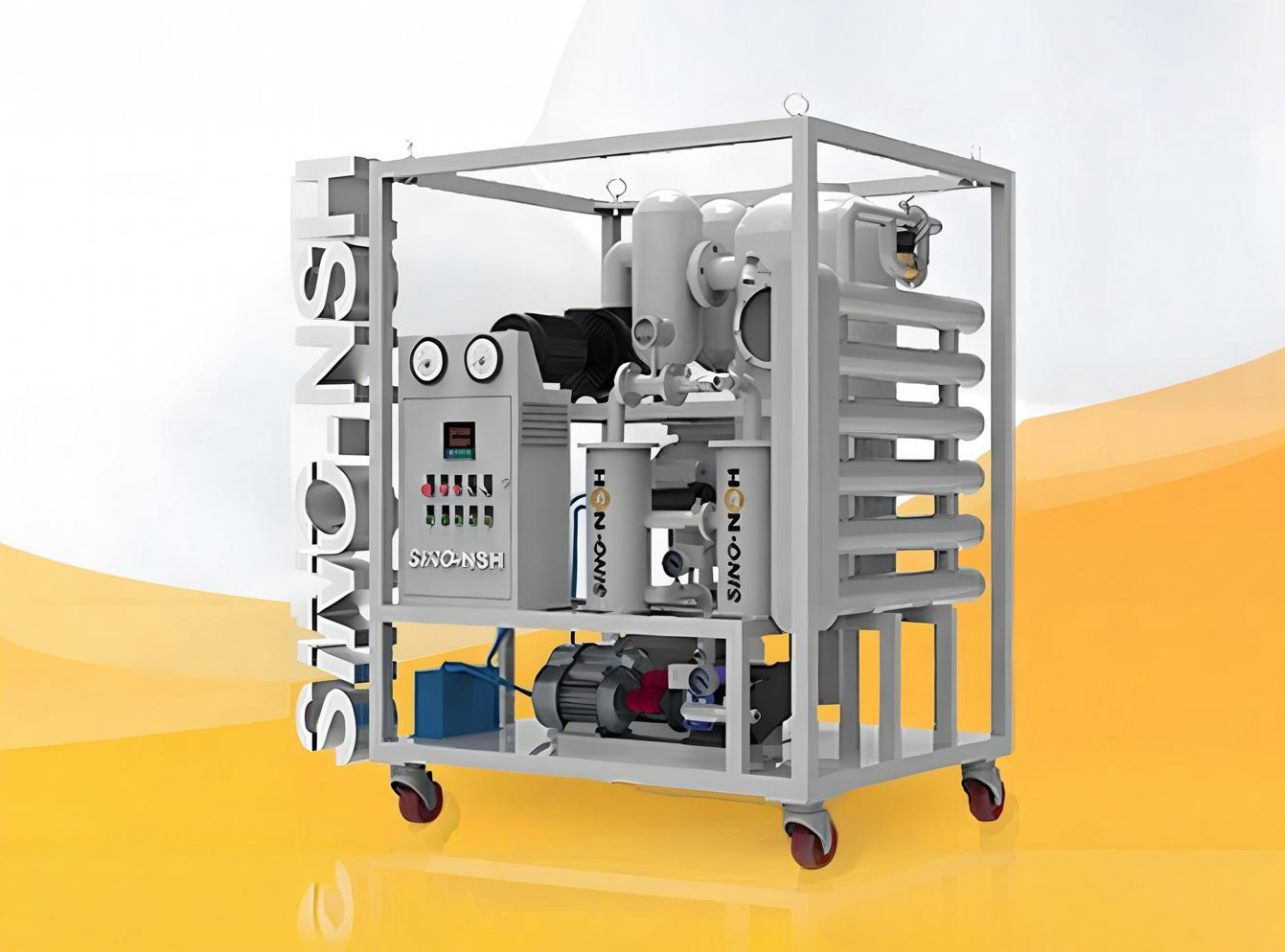
1. High-Viscosity Vacuum Oil Filter (Best Choice)
Combines heating, vacuum dehydration, and precision filtration
Removes water to <100 ppm and ultra-fine particles
Designed for ISO VG 220–680 gear oils
Best for: Water ingress, emulsified oil, deep oil purification
2. Plate and Frame Pressure Oil Filter
Uses filter paper or cloth for solid particle removal
Excellent for metal shavings and sludge
Cannot remove water effectively
Best for: Heavy-duty gear oils, pre-filtration
3. Centrifugal Oil Separator
Separates contaminants using density differences
No filter consumables, suitable for continuous operation
Limited removal of fine particles and dissolved water
Best for: Coarse filtration and online protection
4. Coalescing Oil Filter
Specializes in removing free and emulsified water
Fast dehydration response
Often used with vacuum systems
Best for: Emergency water removal
| Gear Oil Condition | Recommended Solution |
|---|---|
| Severe water contamination | High-viscosity vacuum oil filter |
| Heavy metal debris | Plate & frame filter or centrifuge |
| Routine online maintenance | In-line filtration system |
| Oil regeneration | Multi-function vacuum oil purifier |
Heating required: 50–70°C to reduce viscosity
Filtration accuracy: 10–5 μm (≤3 μm for high-speed gearboxes)
Water target: ≤100–200 ppm
Flow rate: Full oil circulation within 4–8 hours
Conclusion
For most industrial gear oils, high-viscosity vacuum oil filters provide the most complete solution. For simpler needs or limited budgets, combining solid filtration and coalescing dehydration is effective. Always verify results with oil analysis before and after filtration.