E-mail seo@sino-purification.com

Time:2025-12-25 13:44:30 Reading volume:
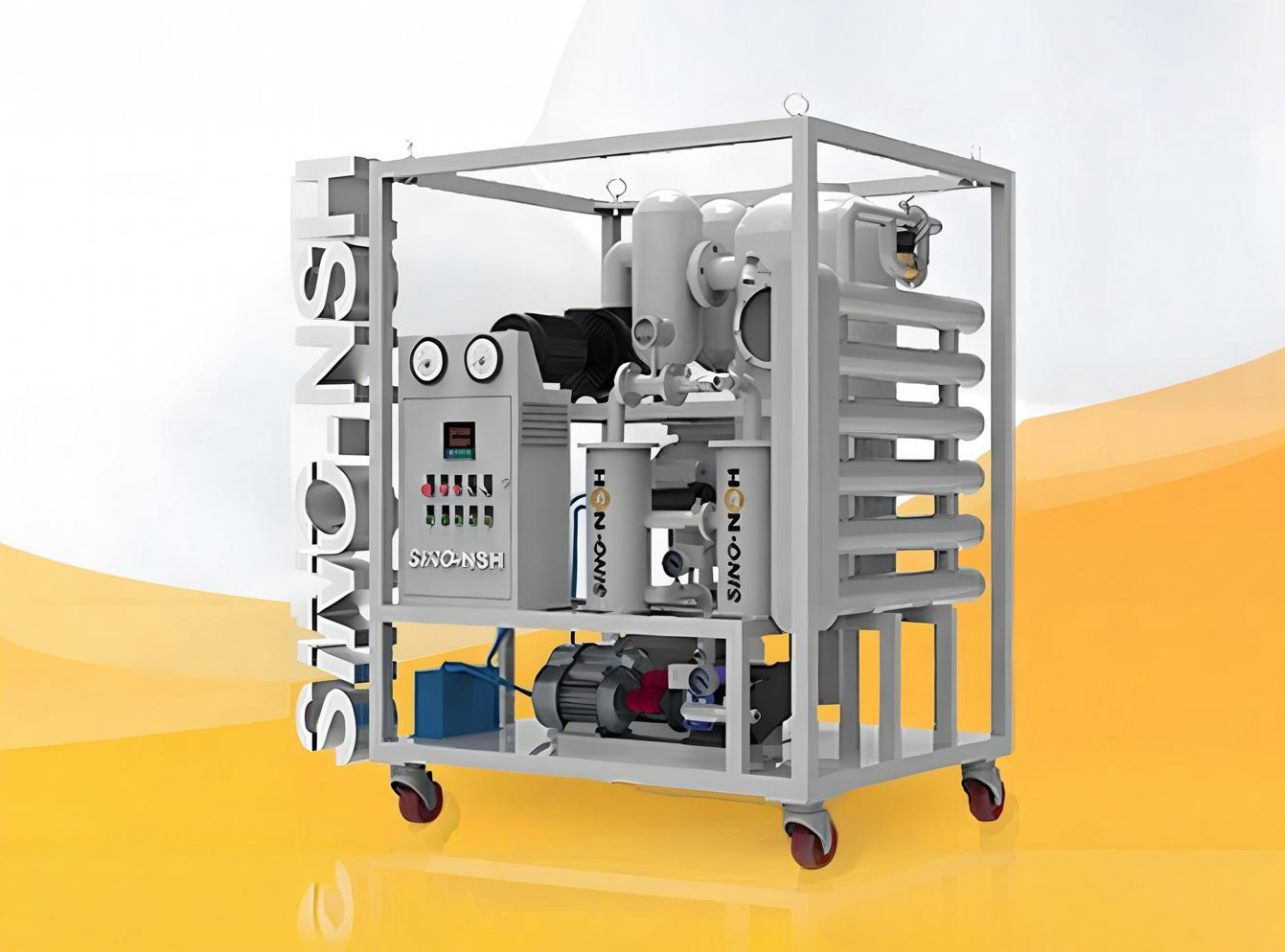
Industrial oil purifiers are widely used in power generation and heavy industry. A common question is:
Can industrial oil purifiers decolorize oil?
The answer is no. Standard oil purifiers are designed for purification—not color restoration. However, some advanced oil treatment technologies can improve oil appearance by removing the substances that cause darkening.
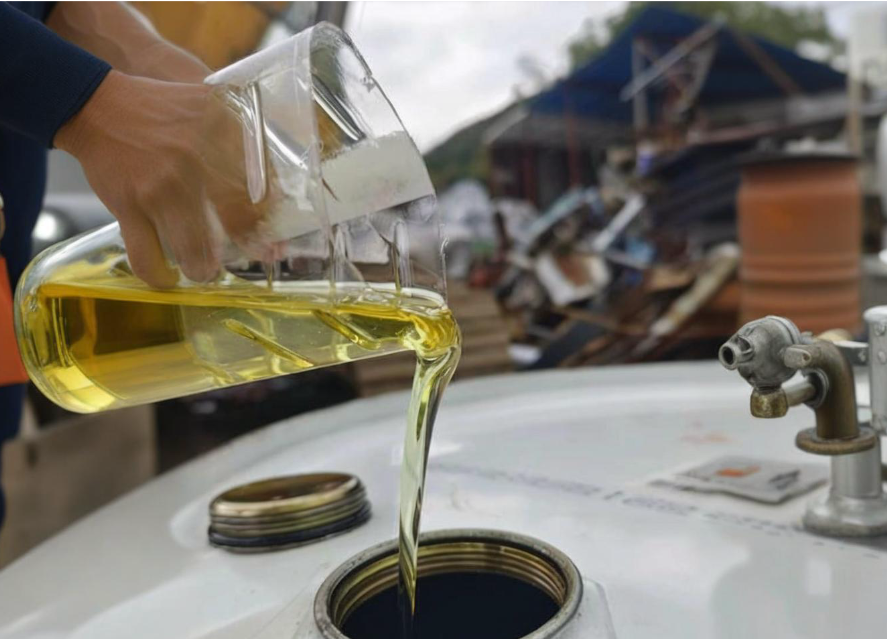
Oil decolorization refers to removing oxidation products, carbon particles, and pigments that darken oil.
Key facts:
Oil color is not a reliable indicator of oil condition
Dark oil may still meet viscosity, acidity, and cleanliness standards
True decolorization usually requires deep oil regeneration
High temperatures and oxygen form acids, resins, and asphaltenes.
Carbon particles, sludge, and varnish from thermal degradation strongly affect oil color.
When detergents and dispersants degrade, suspended contaminants are released.
Used for dehydration, degassing, and particle removal.
Color impact: Minimal.
Remove ultrafine particles (≈1 μm).
Color impact: Slight improvement by removing carbon and sludge, without restoring clarity.
Use high-voltage electric fields to remove submicron carbon and sludge.
Benefits:
Noticeable oil color improvement
Minimal additive loss
Typical applications: Turbine oil and engine oil.
The most effective method for oil decolorization.
Common adsorbents:
Activated clay
Silica gel
Activated alumina
Synthetic polymers
They remove oxidation products, acids, and pigments.
Additives may also be removed, so re-additization is often required.
Mainly used for waste oil regeneration, not online purification.
Designed for water removal only.
Effect on color: Negligible.
| Technology | Main Function | Color Impact | Typical Use |
|---|---|---|---|
| Vacuum / Centrifugal Purifier | Dehydration, degassing | Almost none | Routine oil maintenance |
| Precision Filtration | Ultrafine particle removal | Slight improvement | Hydraulic & lubricating systems |
| Electrostatic Purifier | Carbon & sludge removal | Significant improvement | Turbine & engine oils |
| Adsorption Regeneration | Oxides & pigments removal | True decolorization | Waste oil recycling |
Oil test results remain within limits
Additive balance must be preserved
Online purification is required
Moderate oil darkening is a normal aging effect.
Recycling waste oil
Regenerating transformer oil
Recovering process oils
Industrial oil purifiers extend oil life; they do not restore oil color.
True decolorization belongs to oil regeneration, not routine purification.
Choose based on your goal:
Extend oil life → Purification
Reuse degraded oil → Regeneration