E-mail seo@sino-purification.com

Time:2025-12-22 14:42:46 Reading volume:
The turbine oil system is a critical subsystem of a steam turbine generator set, responsible for lubrication, cooling, speed regulation, and sealing (for oil-sealed units). It is a high-precision closed-loop system that ensures safe, stable, and efficient operation of the turbine, generator, and auxiliary equipment.
Any abnormal condition—such as oil pressure loss, oil contamination, or temperature deviation—can cause serious failures, including bearing damage or forced shutdowns.
Modern turbine oil systems generally consist of two functionally independent subsystems:
1. Lubricating Oil System
Function
Supplies clean oil at stable pressure and temperature to turbine and generator bearings, forming an oil film that reduces friction and removes heat.
Main Components
Main Oil Tank: Stores system oil and allows air and moisture separation; equipped with level gauge, thermometer, breather, and drain.
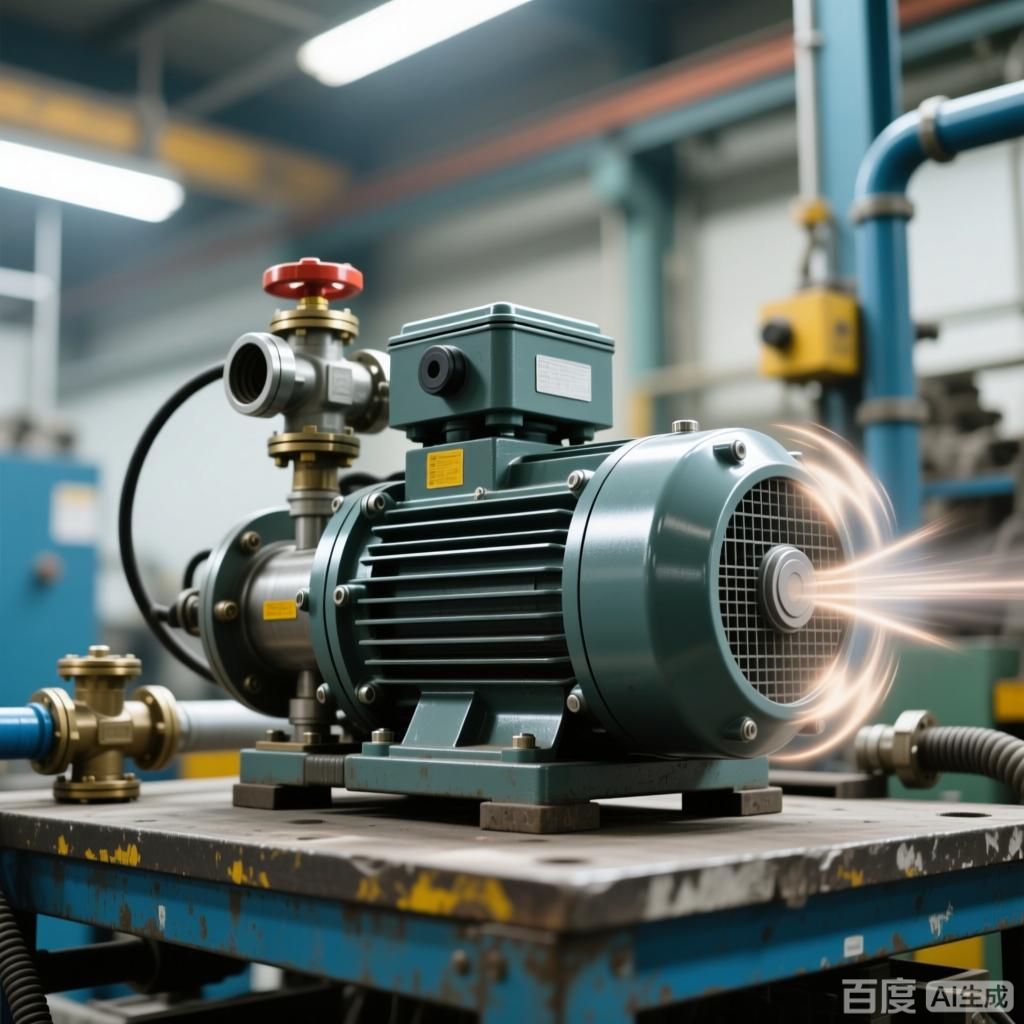
Main Oil Pump (MOP): Shaft-driven; supplies oil during normal operation.
AC Auxiliary Oil Pump (AOP): Used during startup and shutdown; auto-starts at low pressure.
DC Emergency Oil Pump (EOP): Battery powered; ensures lubrication during power failure.
Oil Injector / Oil Turbine Pump: Prevents cavitation at the main pump inlet.
Oil Cooler: Water-cooled; maintains oil temperature at 40–50°C.
Lubricating Oil Filters: Remove particulate contaminants.
Pressure Regulating and Relief Valves: Maintain stable oil pressure.
Oil Piping System: Delivers oil to bearings and returns it to the tank.
2. High-Pressure Fire-Resistant Oil System (EH Oil System)
Function
Provides high-pressure fire-resistant hydraulic oil to the turbine electro-hydraulic control system, driving main steam and regulating valves.
Typical operating pressure: 4–16 MPa.
Main Components
EH Oil Tank: Includes magnetic rods, filters, level and temperature control.
EH Oil Pump (Plunger Pump): Supplies stable high-pressure oil.
Nitrogen Accumulator: Absorbs pressure fluctuations and provides emergency oil.
Unloading Valve / Safety Valve: Prevents overpressure.
Precision Filters: Protect servo and proportional valves.
Online Regeneration Unit: Controls moisture, acidity, and particle size.
Cooling and Circulation System: Maintains EH oil temperature.
Servo Valves and Hydraulic Actuators: Convert electrical signals into precise valve motion.
1. Oil Purification Equipment
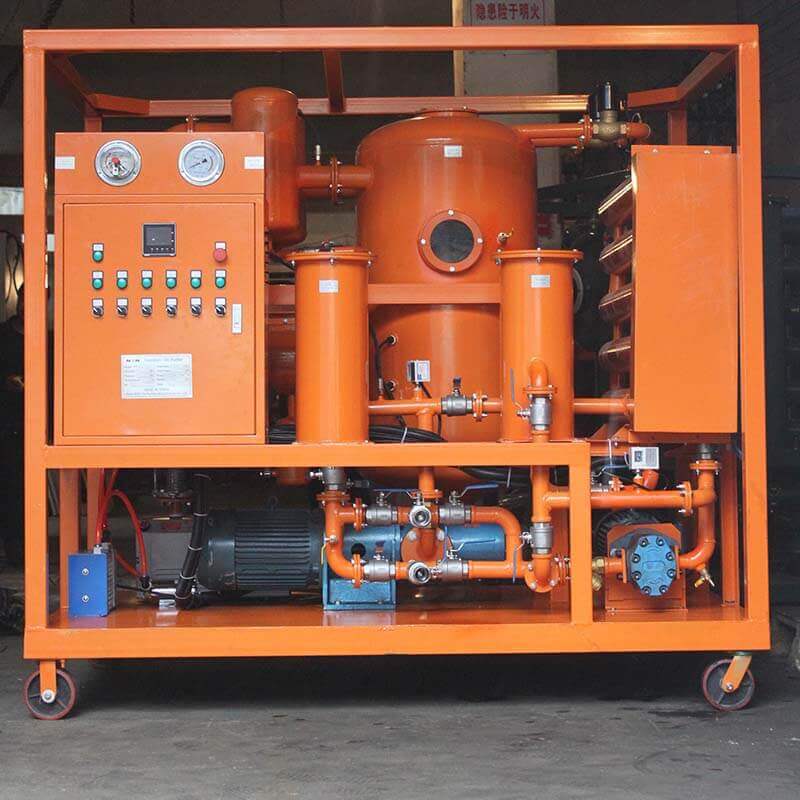
Vacuum, centrifugal, and plate-and-frame oil filters
Oil regeneration systems for fire-resistant oils
2. Monitoring and Protection Devices
Oil level gauges with alarms
Oil pressure gauges and pressure switches
Oil temperature controllers
Bearing return oil flow monitors
Online oil quality analyzers (particle count, moisture, acid value)
3. Piping and Valves
Oil supply and return pipelines, switching valves, orifice plates, and check valves form a complete circulation network.
High Redundancy: Main, AC auxiliary, and DC emergency oil pumps
Independent Power Supply: Ensures lubrication during total power loss
Strict Oil Quality Control: Cleanliness, pressure, and temperature stability
Functional Separation: Independent lubrication and EH oil systems improve safety and response speed
Conclusion
The turbine oil system is the lifeline of a steam turbine unit. Failures such as oil shortage, contamination, or pressure loss can result in severe mechanical damage. Proper design, continuous monitoring, and effective oil maintenance are essential for long-term safe and reliable turbine operation.