E-mail seo@sino-purification.com

Time:2026-01-04 15:22:34 Reading volume:
Impurities in transformer oil are often called “invisible killers” of transformer insulation systems. They directly threaten operational safety, reduce efficiency, accelerate insulation aging, shorten service life, and may even cause severe transformer failures or outages.
Transformer oil contaminants mainly include solid particles, moisture, dissolved gases, and oxidation products, each posing specific hazards.
Conductive particles can concentrate in high-electric-field areas, forming conductive bridges that reduce dielectric strength and trigger partial discharge (PD). Long-term PD erodes insulating paper and pressboard, increasing the risk of insulation breakdown and short circuits.
Hard particles circulate with oil, accelerating wear of pumps and bearings. Deposits on windings and cooling channels hinder heat dissipation, raise operating temperature, and accelerate insulation aging.
Cleanliness Requirement:
Typically NAS 1638 Class 6 or ISO 4406 15/13/10 or better.
Even small increases in moisture have a significant impact. Raising moisture from 50 ppm to 100 ppm can reduce breakdown voltage by over 50%, as water forms conductive paths under electric fields.
Moisture promotes oil oxidation, resulting in the production of acids and sludge. More critically, water absorbed by cellulose insulation paper permanently reduces its mechanical strength and dielectric performance—irreversible damage.
Under high temperature or voltage, dissolved moisture may vaporize into bubbles with extremely low insulation strength, easily triggering discharge.
Moisture Limits:
In-service oil: ≤35 ppm
330 kV and above transformers: ≤25 ppm
New or filtered oil: ≤10 ppm
Gases such as hydrogen, methane, ethylene, and acetylene are key indicators of overheating, partial discharge, and arcing. Dissolved Gas Analysis (DGA) is essential for early fault diagnosis.
Supersaturated gases may form bubbles during temperature or pressure changes, leading to gap discharge.
Standard:
Total dissolved gas content is generally <3%, with strict limits on acetylene.
Oxidation increases oil acidity, corroding metal components and generating more particulate contamination. Sludge accumulates on windings and cooling surfaces, reducing heat transfer and creating a vicious cycle:
Overheating → Accelerated Aging → More Sludge → Insulation Failure
Acid Value Requirement:
Typically ≤0.1 mg KOH/g.
Conclusion: Oil Quality Determines Transformer Reliability
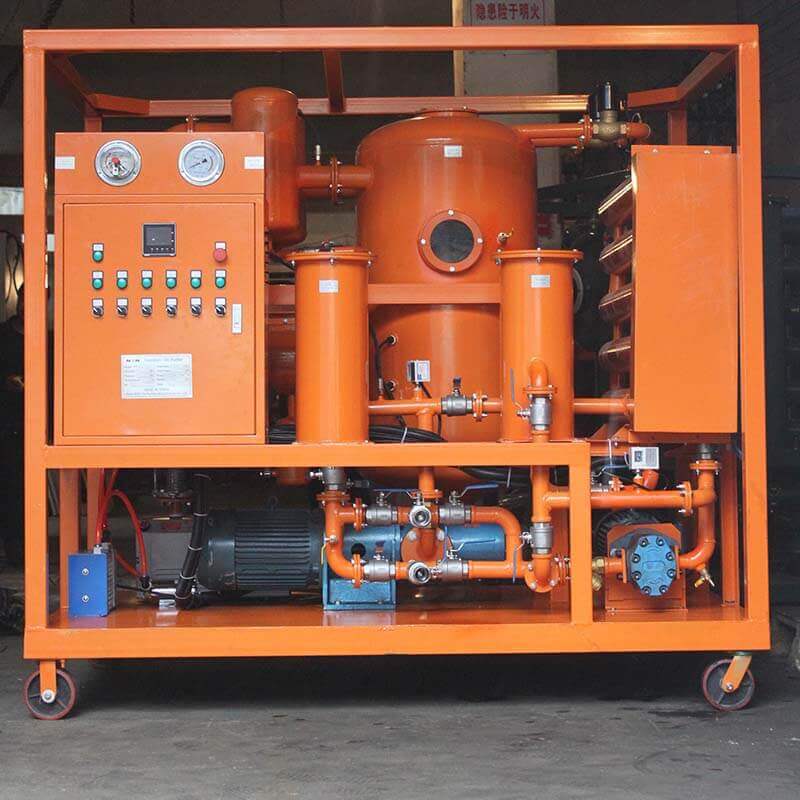
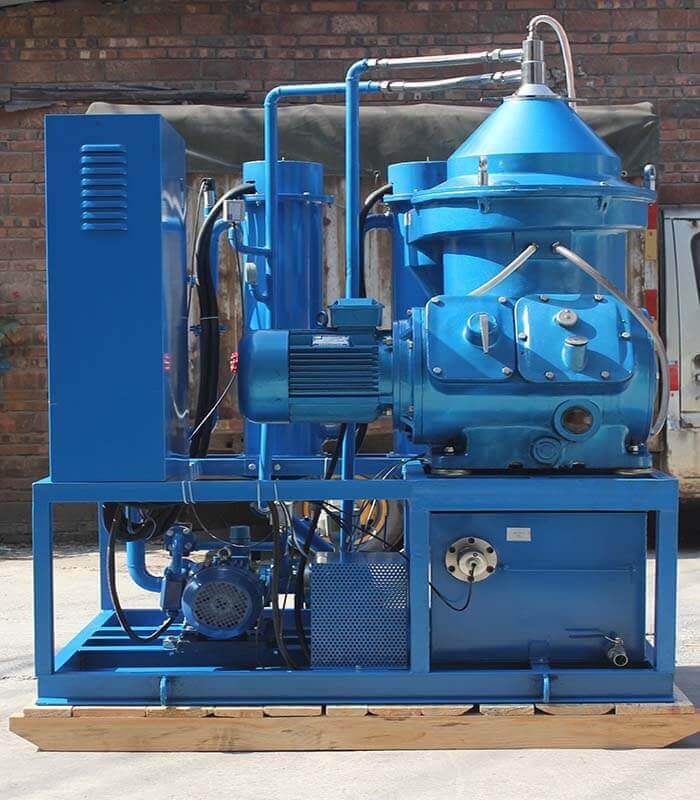
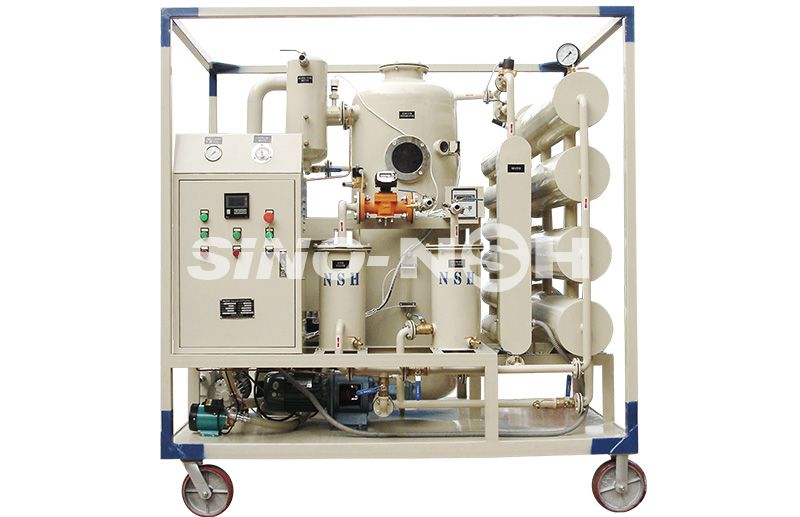
Transformer oil impurities directly affect safety, reliability, and service life. Routine oil testing (moisture, particles, acid value, breakdown voltage, and DGA) combined with professional oil purification equipment, such as vacuum oil filters, is critical for long-term transformer performance.
Ignoring oil quality management is equivalent to planting a hidden time bomb inside essential power equipment.