E-mail seo@sino-purification.com

Time:2026-06-27 13:09:00 Reading volume:
When optimizing industrial oil purification systems for plant reliability, choosing between Centrifugal Oil Purifiers and Coalescing Oil Purifiers depends on three technical variables: oil viscosity, contaminant type (solids vs. water), and chemical additive packages.
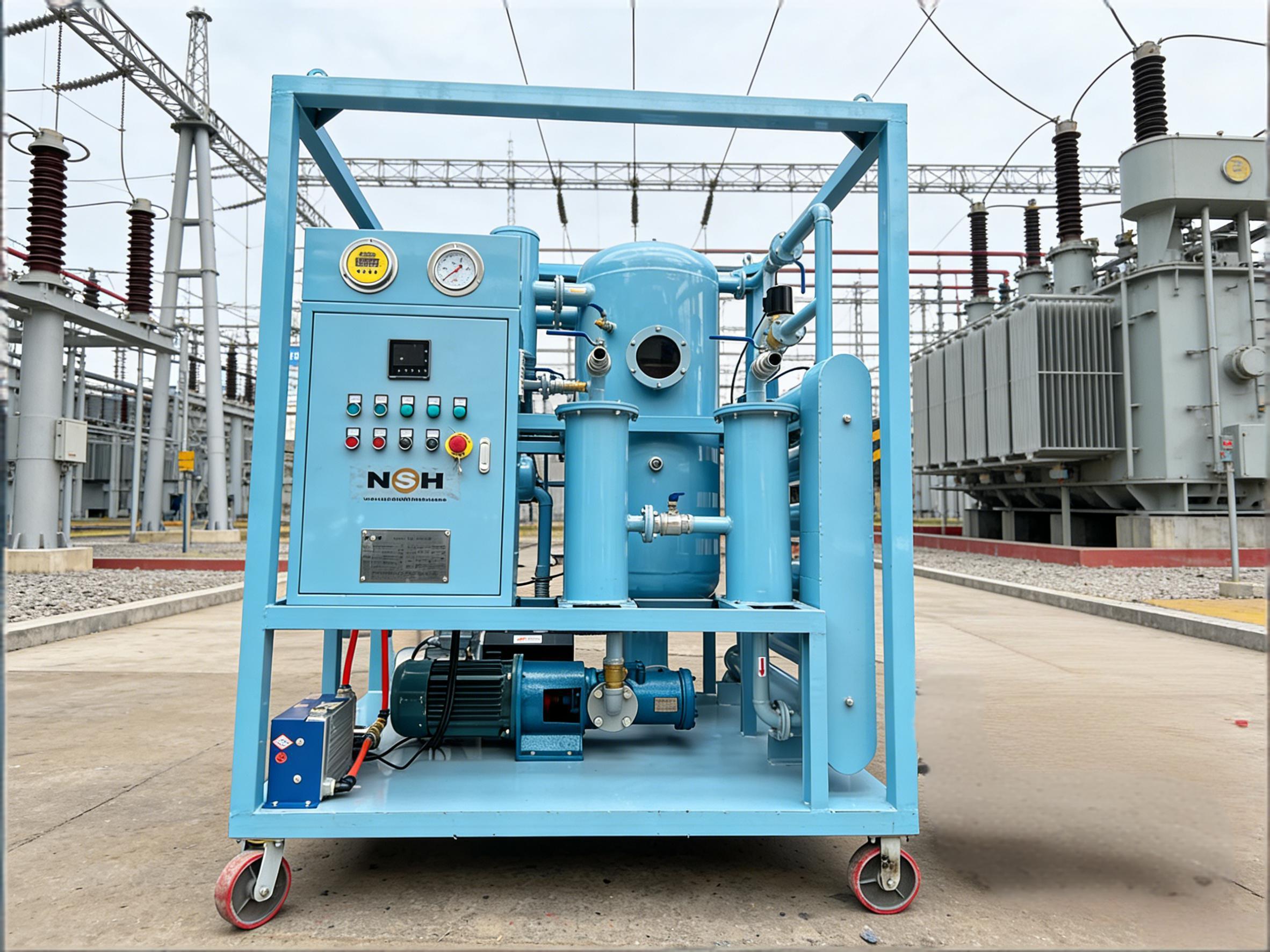
A Centrifugal Oil Purifier is a mechanical separation device that utilizes high-speed rotation to generate centrifugal force ($G$-force) to separate phases of different specific gravities.
The Separation Mechanism: The system spins a disc stack at high RPMs (typically 6,000 to 10,000+ RPM), forcing high-density contaminants—such as free water, emulsified water, and heavy solid particles—outward against the bowl wall. Clean, low-density oil flows inward and travels up the disc stack for continuous discharge.
Primary Target: High-viscosity lubricants, heavily contaminated oils, and systems with high particulate dirt loads.
A Coalescing Oil Purifier is a static filtration system that utilizes specialized media elements and surface tension physics to separate water from oil.
The Separation Mechanism: The contaminated fluid passes through a two-stage element system. In the first stage (Coalescing Stage), microscopic suspended water droplets attach to the fiberglass media fibers, merge into larger droplets, and drop via gravity into a collection sump. In the second stage (Separating Stage), a hydrophobic barrier allows oil to pass through but completely blocks any remaining water droplets.
Primary Target: Low-viscosity fluids, rapid removal of bulk free water, and low-particulate applications.
Centrifugal purifiers rely on physical density differences driven by mechanical $G$-force, making them immune to the chemical makeup of the fluid. Conversely, coalescing purifiers rely strictly on interfacial surface tension and media chemistry. This makes coalescing systems highly sensitive to surfactants, detergents, and anti-wear additives commonly found in modern engine or highly addititized industrial oils. These chemical agents lower the oil's surface tension, which disarms the coalescer media and prevents water droplets from merging.
Centrifugal units offer a wide operational range, proving highly effective on high-viscosity lubricants up to ISO VG 460 or ISO VG 680, provided proper pre-heating is applied to lower the kinetic viscosity during processing. Coalescing systems have a much more restricted window, generally limited to low-viscosity fluids between ISO VG 32 and ISO VG 68. High-viscosity oils create too much flow resistance across the fine media fibers, severely impeding the coalescing process.
When evaluating phase separation, both technologies are exceptional at removing free water, though neither can remove dissolved water (which requires Vacuum Dehydration). However, their handling of solid particulates differs drastically:
Centrifugal Purifiers excel at heavy solid loads. High-density sludge, scale, and metal shavings are slung directly into a self-cleaning or manual bowl, allowing the machine to process dirty environments continuously.
Coalescing Purifiers have a very low solid particulate capacity. If an oil contains heavy dirt loads, the particulate will quickly blind and plug the expensive coalescer elements, leading to premature cartridge failure and high replacement costs.
From a budget perspective, the financial trade-offs are inverted. Centrifugal purifiers feature low consumable costs because they do not require recurring primary separation elements; however, they require higher mechanical maintenance due to high-speed rotating parts, seals, and bearings. Coalescing purifiers feature high recurring consumable costs due to frequent cartridge swap-outs, but they offer extremely low mechanical maintenance and quiet, static operation with no high-speed moving parts.
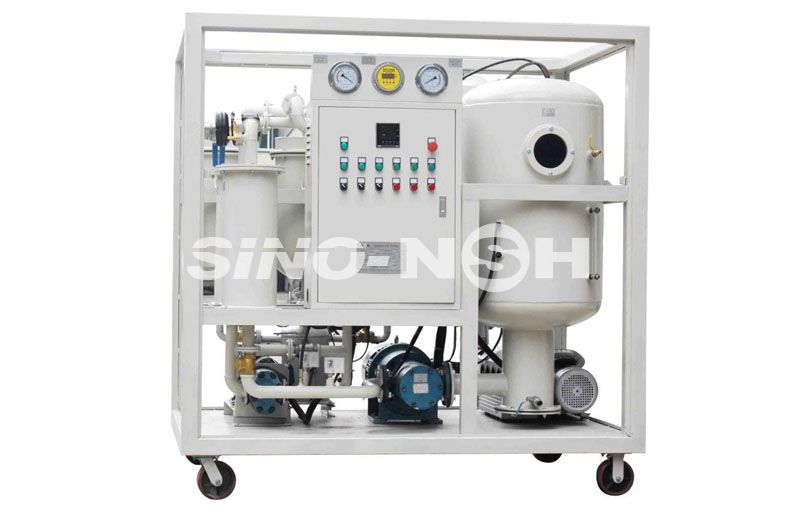
centrifugal oil purifiers
The application involves high-viscosity or highly addititized oils: Gear oils (ISO VG 220 to 460), paper mill lubricants, or heavy diesel engine oils containing high detergent packages.
The system faces severe solid particulate contamination: Applications with continuous ingress of scale, metal shavings, or environmental dust that would saturate standard filter cartridges.
The plant prioritizes low operational expenditure (OPEX): Where upfront capital expenditure (CAPEX) is accepted in exchange for a system that does not require continuous element replacement schedules to maintain target ISO 4406 Cleanliness Codes.
The application involves low-viscosity, clean fluids: Hydraulic systems, light turbine oils (ISO VG 32 or 46), or diesel fuel polishing.
The primary threat is massive, sudden free-water ingress: Rapidly dropping bulk water from steam turbine gland seal leaks or heat exchanger failures before emulsification occurs.
The plant lacks specialized maintenance crews: Where a "plug-and-play" static system with simple cartridge swap-outs is preferred over high-speed rotating equipment that requires precision balancing and seal maintenance.
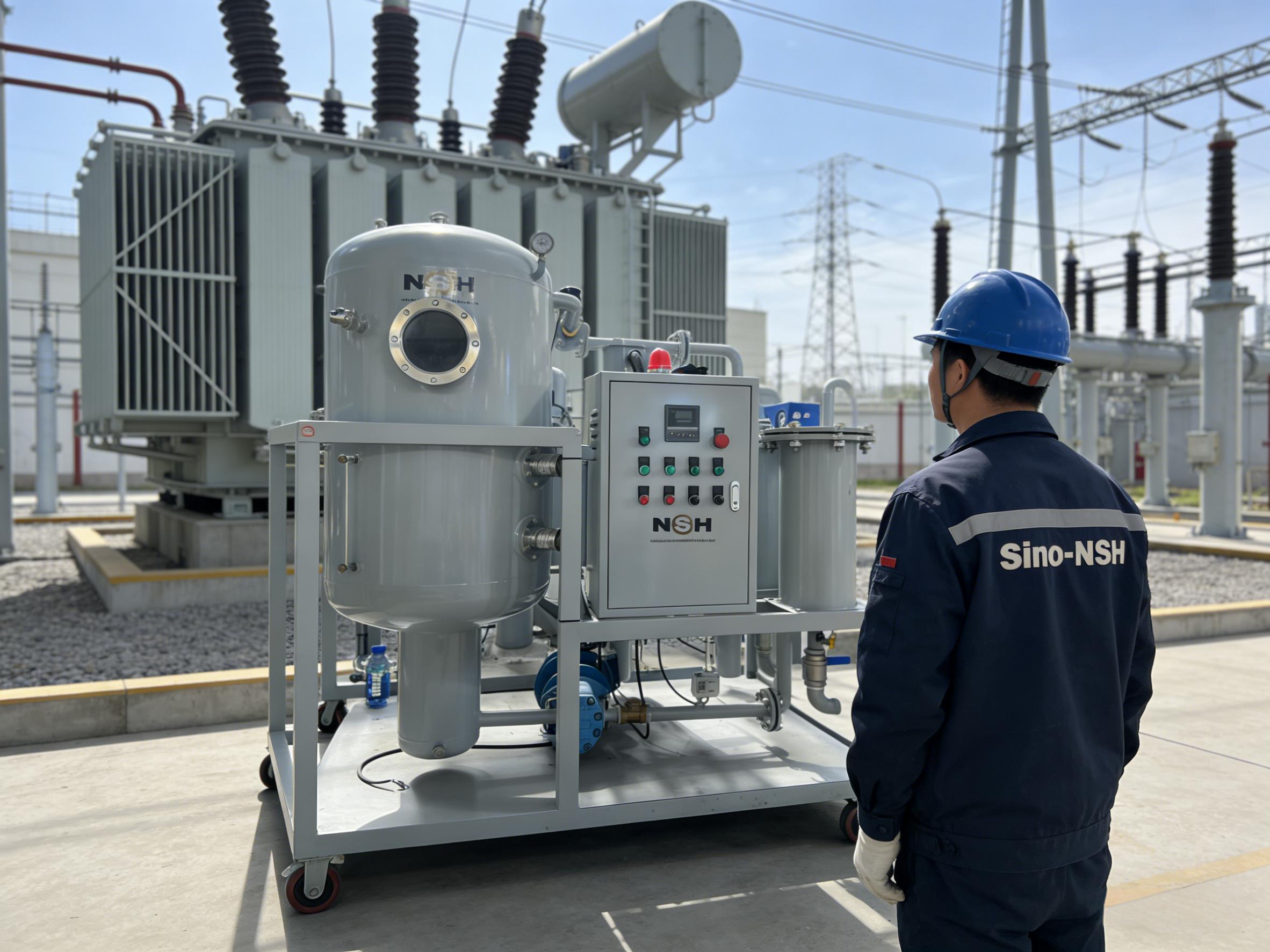
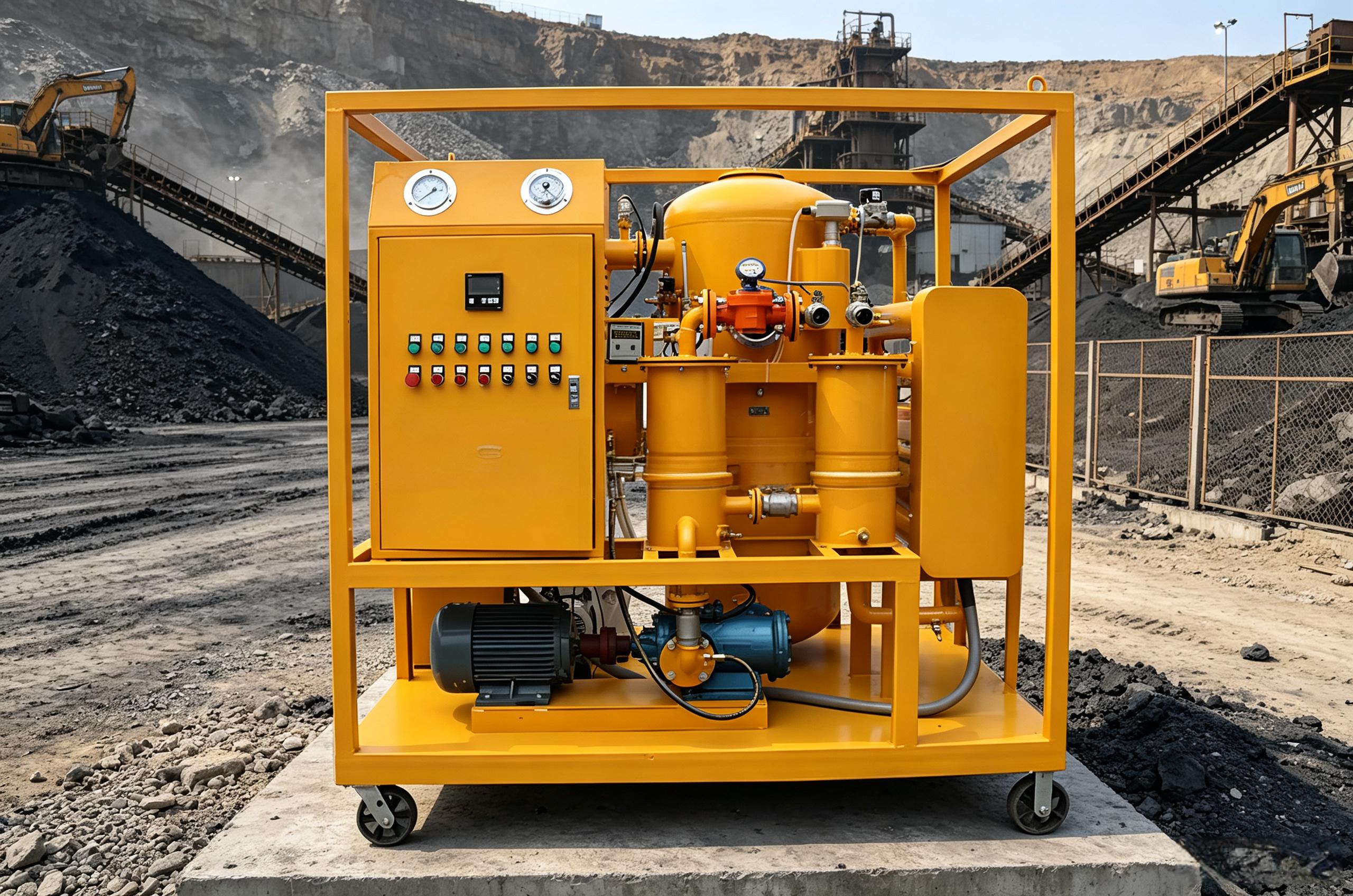
Explosion-Proof Oil Purifier Selection Guide: Which Working Conditions Require One?
How to Prevent Rapid Lubricating Oil Degradation in Steel Mills
Can an Oil Purifier Remove Acid? Understanding the Limits of Oil Regeneration
Chemical Industry Oil Purification: How to Choose the Right Oil Purifier
Why Is Coalescing Water Removal More Stable Than Vacuum Dehydration?


