E-mail seo@sino-purification.com

Time:2026-07-02 13:49:05 Reading volume:
While a standard oil filter acts as a mechanical screen to catch solid particles, an oil purifier is a much more advanced system designed specifically to target and remove dissolved, liquid, and gaseous chemical contaminants that have integrated into the oil's molecular structure.
An industrial oil purifier uses processes like vacuum dehydration, degasification, and chemical adsorption to strip out these contaminants and restore the oil's chemical properties.
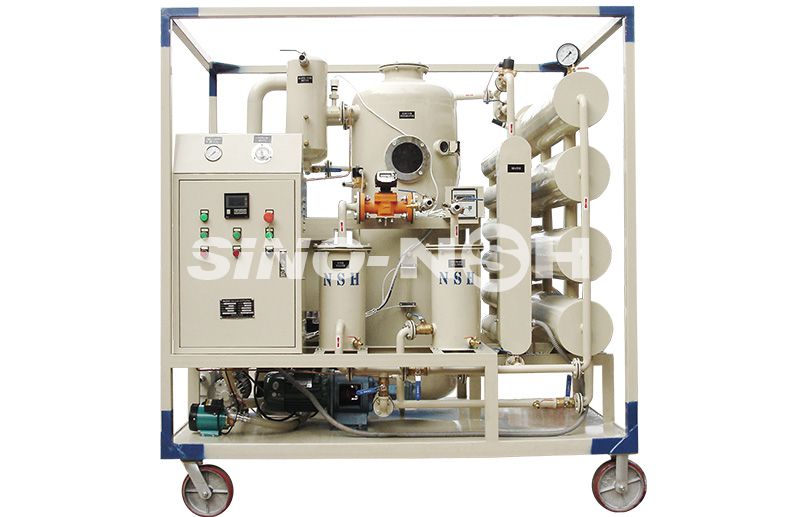
Here are the primary chemical contaminants an oil purifier can remove:
Unlike free water that settles at the bottom of a tank, dissolved water is chemically bound to the oil molecules at a microscopic level. It accelerates oil oxidation, causes additive depletion, and severely reduces the dielectric strength (breakdown voltage) of insulating oils.
How it's removed: Purifiers use vacuum dehydration. By exposing the oil to a high vacuum (often down to single-digit Pascals) and moderate heat, the boiling point of water is lowered significantly. The dissolved water flashes into steam and is drawn out, bringing water levels down below 10 ppm.
In equipment like electrical power transformers, high thermal and electrical stress chemically cracks the oil molecules, generating dangerous dissolved gases like hydrogen (H₂), acetylene (C₂H₂), methane (CH₄), and ethylene (C₂H₄).
How it's removed: High-vacuum degasification systems spread the oil into a thin film inside a vacuum chamber. This maximizes the surface area, forcing the dissolved gases out of the liquid solution so they can be vacuumed away, restoring the oil's flashpoint and insulation properties.
As oil oxidizes, it produces acidic chemical byproducts. These acids raise the Total Acid Number (TAN), attack metallic components, cause corrosion, and accelerate the formation of sludge.
How it's removed: Vacuum distillation alone cannot remove acids. Instead, advanced purifiers utilize adsorption media towers packed with materials like Fuller's earth, activated alumina, or ion-exchange resins. As the oil passes through, the acidic molecules chemically bond to the media, neutralizing the oil and lowering the TAN.
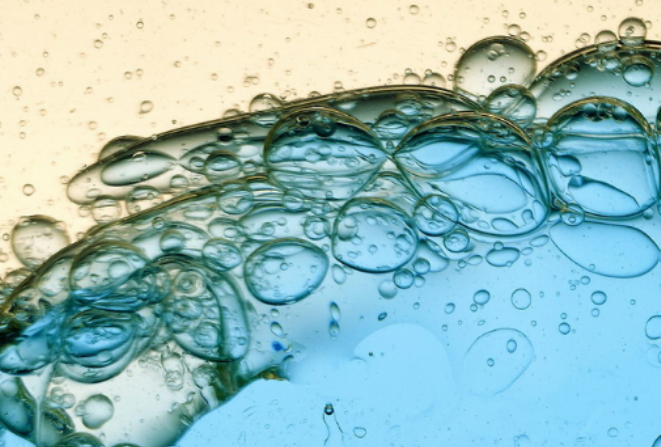
Oxidation also creates soluble, polar contaminants. When the oil cools or becomes saturated, these chemical precursors precipitate out of the liquid, depositing a sticky, non-crystalline liquid layer known as varnish on valves, bearings, and surfaces.
How it's removed: Purifiers equipped with cellulose depth filtration, electrostatic oil cleaners, or mitigation resins isolate and trap these dissolved polar contaminants based on their molecular charge or size before they can solidify into harmful varnish.
In some industrial applications, lower-boiling-point chemicals like diesel, gasoline, or chemical solvents mix with the industrial oil, thinning its viscosity and lowering its flashpoint, which poses a massive fire hazard.
How it's removed: Purifiers utilizing thermal distillation and vacuum controls can precisely heat the oil to boil off the lighter volatile chemical fractions without damaging the heavier, highly stable base oil molecules.
The Purifier vs. Filter Difference: A filter stops what is suspended in the oil; a purifier extracts what is dissolved or chemically altered within it.
Explosion-Proof Oil Purifier Selection Guide: Which Working Conditions Require One?
How to Prevent Rapid Lubricating Oil Degradation in Steel Mills
Can an Oil Purifier Remove Acid? Understanding the Limits of Oil Regeneration
Chemical Industry Oil Purification: How to Choose the Right Oil Purifier
Why Is Coalescing Water Removal More Stable Than Vacuum Dehydration?


