E-mail seo@sino-purification.com

Time:2025-12-26 13:42:29 Reading volume:
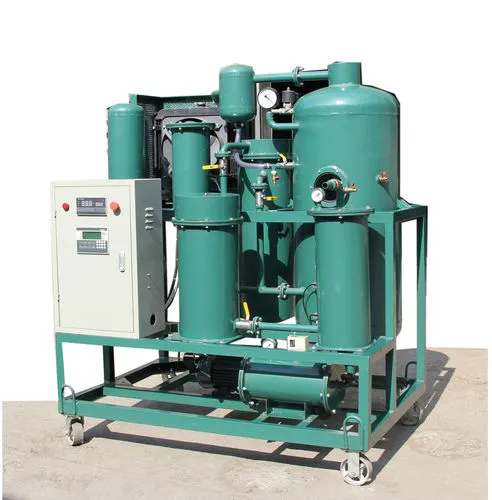
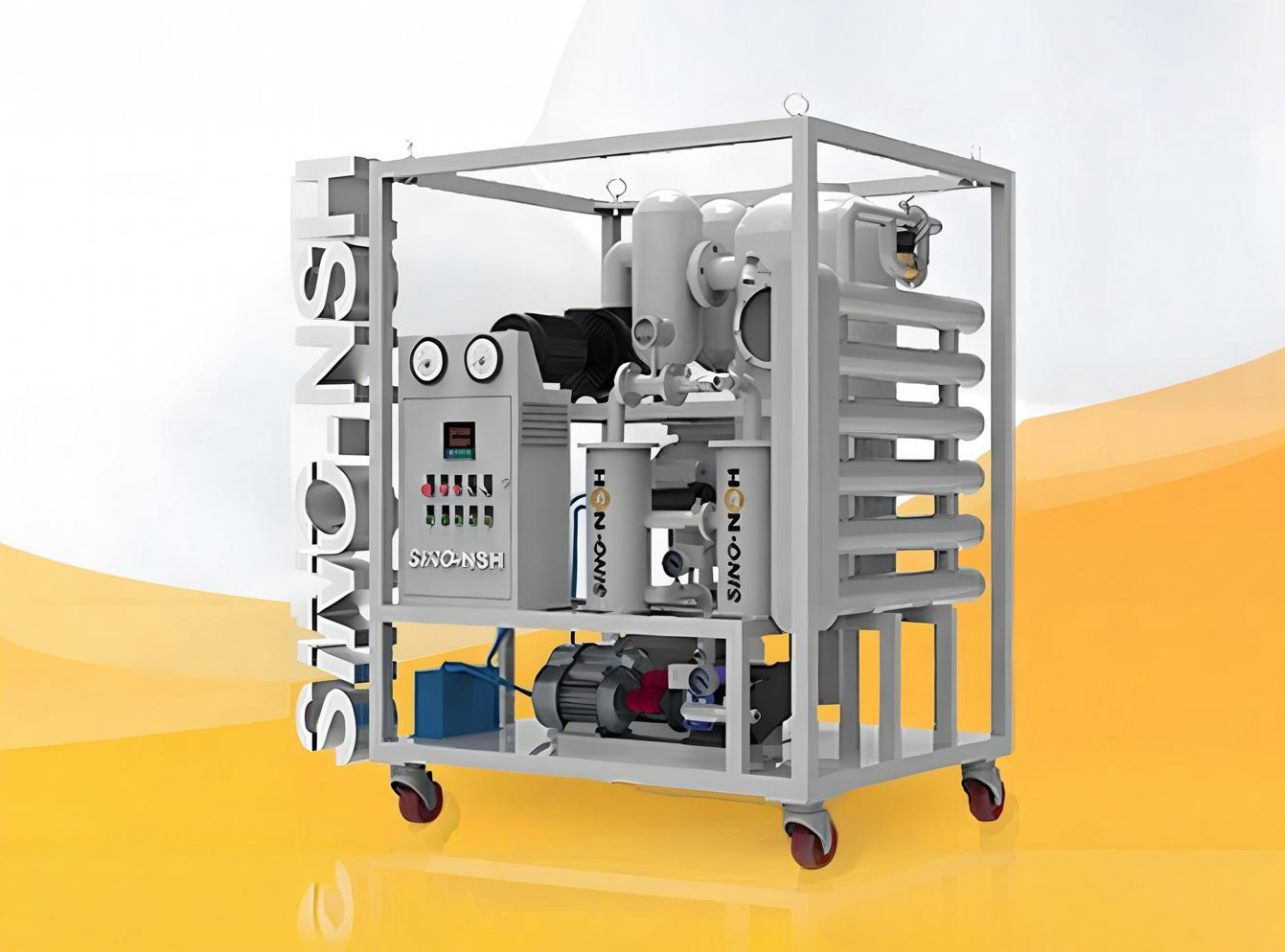
Turbine oil centrifuges, also known as centrifugal oil purifiers or separators, play a vital role in purifying oils in various industrial applications by efficiently removing contaminants through the use of centrifugal force. This guide summarizes their functions, principles, applications, features, differences from vacuum oil filters, maintenance, and development trends.
Solid Particle Removal
Moisture Separation
Oil Purification
Oxidation Risk Reduction
Centrifuges operate at high speeds, generating forces much stronger than gravity, which separates substances by density into layers:
Continuous Sludge Discharge: Many models offer automatic discharge for uninterrupted operation.
| Industry | Specific Applications |
|---|---|
| Shipbuilding and Marine Engineering | Purifies oil for engines in high-humidity environments. |
| Power Systems | Treats turbine oil and insulating oil for effective heat dissipation. |
| Manufacturing | Purifies hydraulic oils for precision equipment. |
| Mining and Construction Machinery | Processes lubricating oil for heavy machinery in tough environments. |
| Petrochemical and Energy | Recovers waste oil, enhancing sustainability and reducing costs. |
| Characteristics | Centrifuge | Vacuum Oil Filter |
|---|---|---|
| Water Removal Principle | Centrifugal Force Separation | Vacuum Evaporation |
| Impurity Removal | Larger particles (>1μm) | Micron-sized particles (up to 0.5μm) |
| Advantages | Handles high water content; no filter replacement needed | Deep dehydration; ultra-precise filtration |
| Limitations | Less effective for extremely fine particles | Regular filter replacements increase costs |
Turbine oil centrifuges are key to efficient industrial oil management. By removing moisture and solid impurities, they enhance reliability and reduce maintenance costs. Their suitability for high water content and severe pollution makes them essential in shipbuilding, power generation, and heavy industry. When selecting a model, consider oil type, contamination level, and precision requirements for optimal performance.