E-mail seo@sino-purification.com

Time:2026-10-26 15:34:27 Reading volume:
Oil filtration and oil-water separation are two common processes used to maintain industrial oil quality. Although both help remove contaminants, they serve different purposes. Oil filtration primarily removes solid particles, while oil-water separation focuses on removing water from oil.
Understanding the difference helps you choose the right treatment method for your application. If oil contains both solid particles and water, a combined purification system may be necessary.
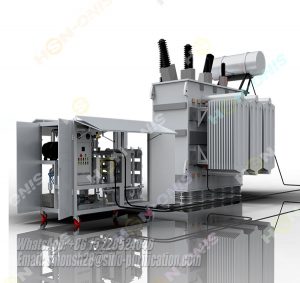
Oil filtration removes solid contaminants by passing oil through a filter medium, such as a filter element or filter paper.
Common contaminants include dust, metal wear particles, rust, and other debris generated during equipment operation. If these particles accumulate, they may increase component wear and affect the performance of bearings, pumps, and hydraulic systems.
The effectiveness of filtration depends on the filter rating, particle size, oil viscosity, and operating conditions.
However, standard particle filtration does not reliably remove dissolved or emulsified water. If moisture is also present, an additional water-removal process may be required.
Oil-water separation removes water that has entered industrial oil through leakage, condensation, or improper storage and handling.
The appropriate method depends on how the water exists in the oil.
Free water: Water separates from the oil and may collect at the bottom of a tank. Draining, settling, or suitable separation equipment may remove it.
Emulsified water: Small water droplets remain dispersed in the oil, making separation more difficult.
Dissolved water: Water exists within the oil at a molecular level and cannot usually be seen with the naked eye.
Different methods address different conditions. Gravity separation may work for free water, while coalescing or vacuum dehydration may be needed for more difficult moisture-removal applications.
| Comparison | Oil Filtration | Oil-Water Separation |
|---|---|---|
| Main purpose | Remove solid particles | Remove water |
| Typical contaminants | Dust, metal debris, rust | Free, emulsified, or dissolved water, depending on the method |
| Common methods | Filter elements, filter paper | Gravity separation, coalescing, vacuum dehydration |
| Main limitation | Ordinary filtration does not reliably remove all forms of water | Water removal alone does not guarantee particle cleanliness |
Some industrial oil purifiers combine filtration and dehydration in one system. This allows the equipment to address different contaminants without treating the two processes as interchangeable.
A standard oil filter is designed primarily to capture solid particles, not water. Using a finer filter element does not automatically improve water removal.
Specialized equipment may include water-absorbing filter media, coalescing elements, or vacuum dehydration systems. These technologies work differently from conventional particle filtration, and their effectiveness depends on the oil type and operating conditions.
Similarly, an oil-water separator may not remove fine particles unless a suitable filtration stage is included.
If the oil contains both water and solid contaminants, equipment selection should consider both problems rather than relying on a single process.
The right solution depends on the type of contamination and the required oil condition.
When solid particles are the main concern: An industrial oil filtration system may be sufficient. select the filter according to the required cleanliness level, oil viscosity, and operating conditions.
When water contamination is the main concern: Identify the source of moisture and determine whether the water is free, emulsified, or dissolved. Choose a suitable separation or dehydration method based on the results.
When both particles and water are present: A combined oil purification system may be appropriate. Depending on the application, it may include particle filtration and vacuum dehydration or other suitable separation technologies.
Oil type also matters. Transformer oil may require moisture and gas removal to meet its electrical performance requirements, while turbine oil and hydraulic oil need treatment suited to their lubrication and operating conditions.
Before selecting equipment, consider the oil condition, contamination level, required processing capacity, and target oil quality.
No. Oil filtration primarily removes solid particles, while oil-water separation removes water. Some purification systems combine both functions.
Not necessarily. If the separator does not include an appropriate filtration stage, additional particle removal may be required.
An oil filter generally focuses on solid particle removal. An oil purifier may combine filtration with other processes, such as dehydration or degassing, depending on its design.
Yes, if the equipment includes suitable dehydration and filtration stages. The actual treatment performance depends on its configuration, the oil type, and the contamination level.
Oil filtration and oil-water separation address different types of contamination. Filtration primarily removes solid particles, while oil-water separation reduces moisture in the oil.
The right choice depends on the oil's condition and the treatment results required. When both particles and water are present, a combined purification system may provide a more suitable solution.
Sino-NSH provides industrial oil purification equipment for different oil types and operating requirements. Evaluating the contamination level, processing capacity, and required oil quality helps determine the appropriate filtration and dehydration solution.
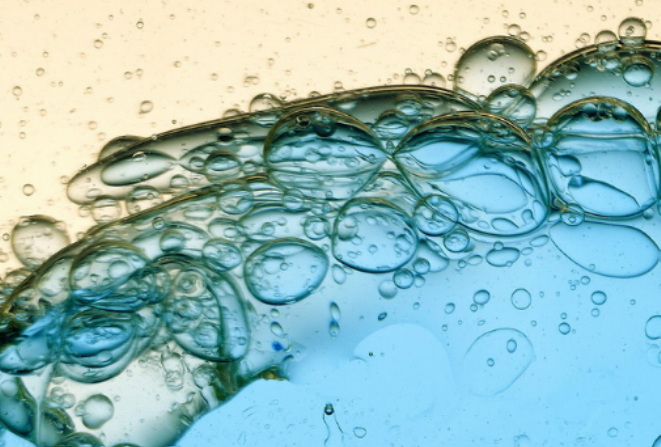
Oil Filtration vs. Oil-Water Separation: What's the Difference?
Why Different Oil Types Cannot Always Use the Same Oil Purifier
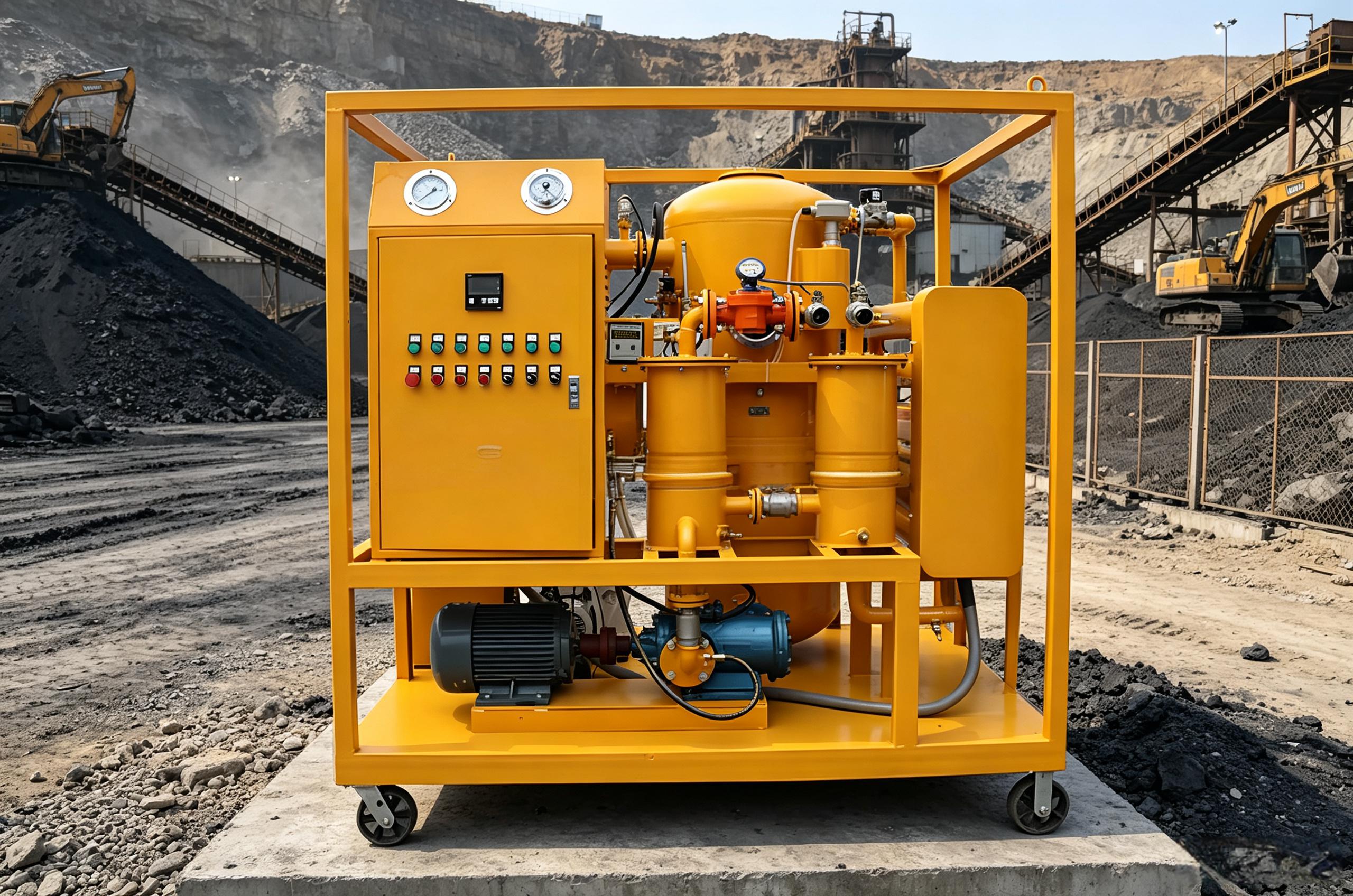
Explosion-Proof Oil Purifier Selection Guide: Which Working Conditions Require One?
How to Prevent Rapid Lubricating Oil Degradation in Steel Mills
Can an Oil Purifier Remove Acid? Understanding the Limits of Oil Regeneration


