

In industrial settings with flammable gases, vapors, or combustible dust, standard oil purification equipment poses a serious safety risk. A spark from a motor or an arc from a switch can trigger a catastrophic explosion.
An explosion-proof oil purifier is engineered specifically for these hazardous environments. It removes water, gas, and solid contaminants from industrial oils while eliminating any ignition risk.
This guide explains what explosion-proof oil purifiers are, which working conditions require them, and how to select the right equipment.
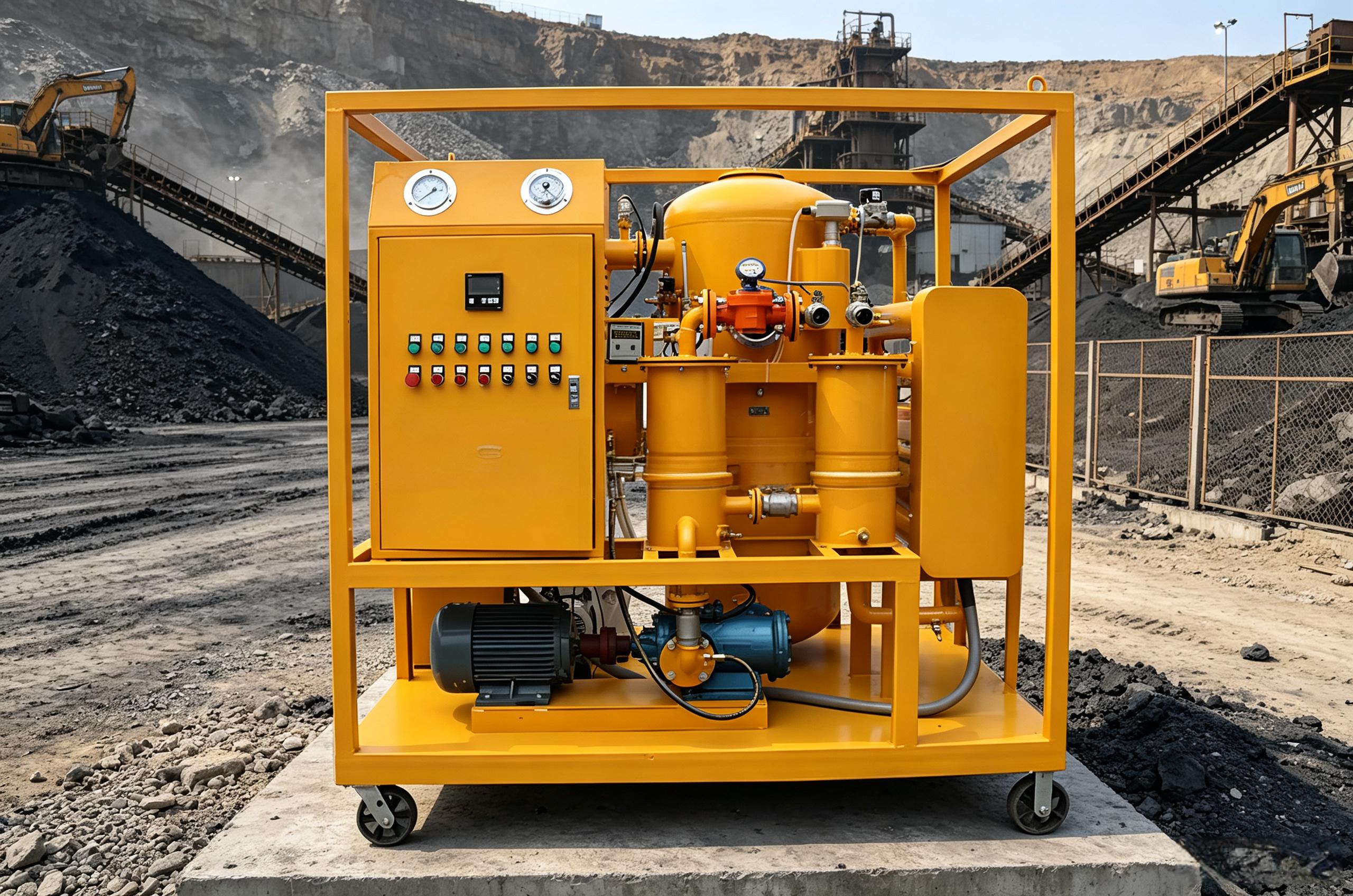
What Is an Explosion-Proof Oil Purifier?
An explosion-proof oil purifier is a filtration system where all electrical components—motors, heaters, control panels, and sensors—are designed to prevent ignition in explosive atmospheres.
Unlike standard purifiers used in workshops or power plants, explosion-proof models operate where traditional equipment is prohibited.
Key Differences
Standard oil purifiers are built for non-hazardous areas like workshops, power plants, and repair centers. Their focus is efficient filtration with standard, unprotected electrical parts.
Explosion-proof purifiers are designed for hazardous areas with flammable gases, vapors, or combustible dust. All electrical components are explosion-proof rated (flameproof enclosures), and safety plus filtration is the primary focus. They are used in refineries, chemical plants, mines, and offshore rigs.
Which Working Conditions Require One?
Not every application needs an explosion-proof unit. Consider this equipment if your site has any of the following conditions.
Flammable Gases or Vapors
If your facility handles or stores flammable gases or volatile liquids, an explosion-proof purifier is mandatory. This includes oil refineries, petrochemical plants, natural gas facilities, and underground storage tanks.
Combustible Dust
Fine dust from coal, grain, or metal processing can form explosive clouds. This is relevant in coal mines, cement plants, and metal grinding facilities.
Low-Flash-Point Oils
Filtration involves heating oil. If the oil itself has a low flash point—such as diesel, kerosene, gasoline, or certain hydraulic fluids—standard equipment creates an extreme fire hazard.
These systems are specifically required for diesel, aviation kerosene, petrol, low-flash-point hydraulic oils, and lubricating oils in hazardous areas.
Offshore and Marine
Offshore platforms and vessels operate in confined spaces with constant gas risks. Explosion-proof purifiers are standard for turbine oils, hydraulic fluids, and fuel oils.
Chemical Processing
Chemical plants handle volatile substances in classified zones. Explosion-proof purifiers maintain compressor oils, gear oils, and heat transfer fluids.
Regulatory Requirements
Many industries require explosion-proof equipment by law. Examples include ATEX (Europe), IECEx (international), and GB 3836 (China).
Explosion-Proof Classification Levels
The most common level is Ex d II BT4. Ex d means flameproof enclosure. IIB suits typical industrial gases. T4 limits surface temperature to ≤135°C. This is typical for chemical plants and above-ground facilities.
A higher level is Ex d II CT4, covering more sensitive gases like hydrogen and acetylene. This is required for underground coal mines, hydrogen facilities, and offshore installations.
European ATEX zones also apply. Zone 1 (Category 2G) covers areas where explosive atmospheres occur occasionally. Zone 2 (Category 3G) covers areas where they are unlikely or short-lived.
Which Oils Can Be Processed?
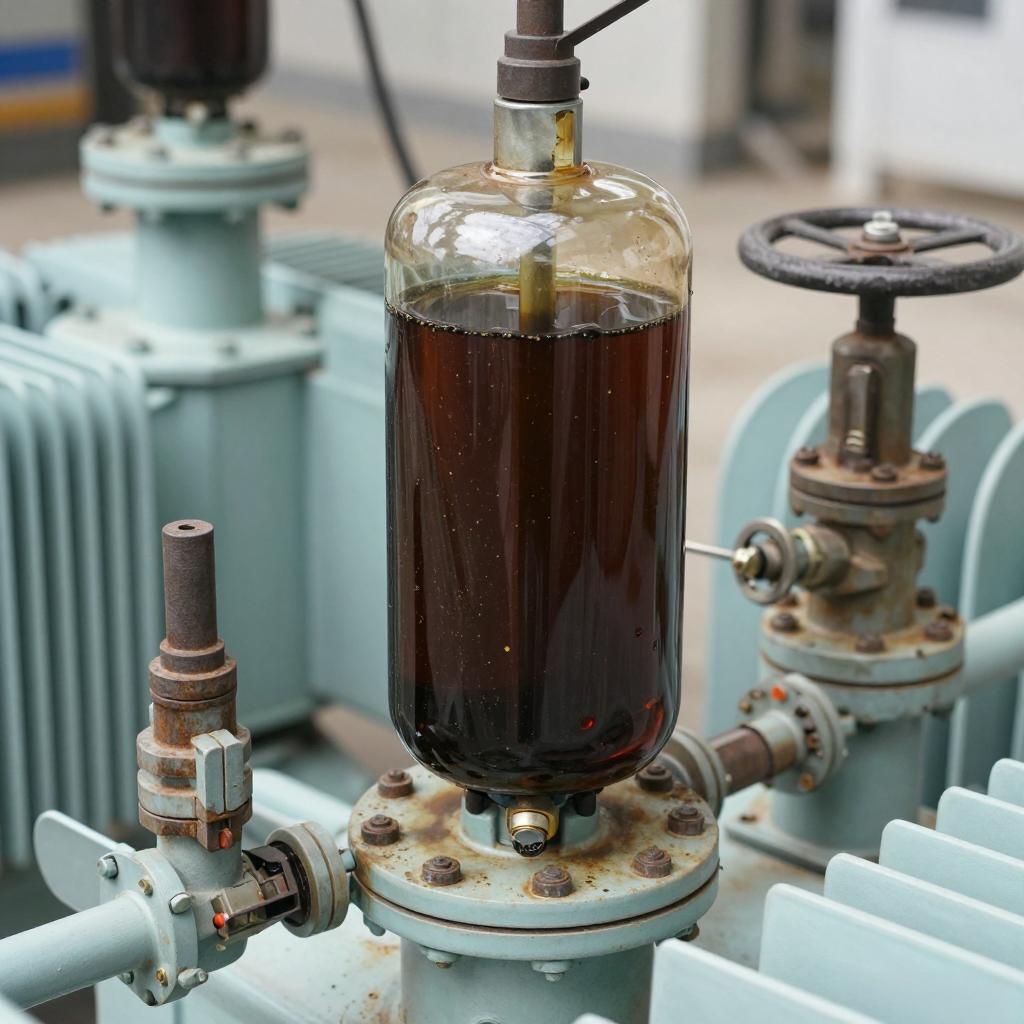
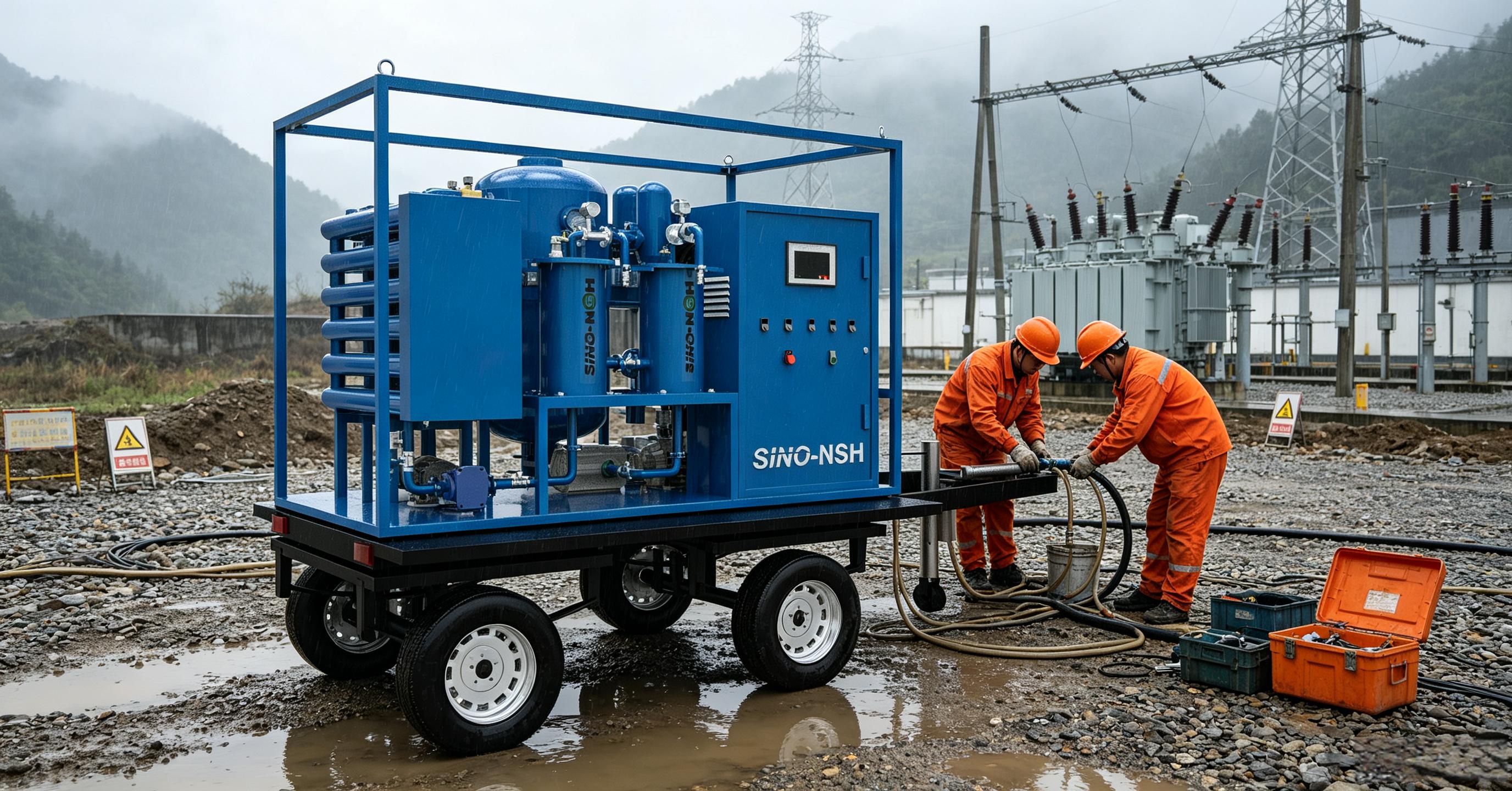
Explosion-proof purifiers handle transformer oil (removing water and gas to restore insulation), turbine oil (breaking emulsification and removing moisture), hydraulic oil (extending equipment life), lubricating oil (maintaining purity in hazardous areas), diesel and fuel oil (ensuring cleaner fuel), and compressor oils (removing contaminants).
Where Are They Installed?
Common deployments include refineries and petrochemical plants for online circulating oil purification, coal mines for underground filtration, offshore platforms for turbine and hydraulic oil maintenance, chemical plants for compressor and gear oil systems, power plants in classified areas, and aerospace for kerosene and hydraulic fluid filtration.
Key Features to Look For
Fully explosion-proof electrical systems. Every component—motors, heaters, controls, sensors—must be certified. Partial protection is not acceptable.
Vacuum dehydration. Most high-performance units use this to remove both free and dissolved water and gases without overheating the oil.
Multi-stage filtration. Removes particles down to required cleanliness levels. High-beta filters are essential.
Automatic safety controls. Look for over-temperature shutdown, over-pressure alarms, liquid level control to prevent dry heating, and auto-shutdown on faults.
Mobile or fixed configuration. Mobile units service multiple points. Fixed installations provide continuous online purification. Skid-mounted options suit offshore or containerized setups.
Online Operation Capability
A major advantage of modern explosion-proof purifiers is online operation—while equipment keeps running. This is vital in continuous process industries where shutdowns are costly.
Online purification enables uninterrupted production, real-time oil quality maintenance, and extended equipment life without shutdowns.
Why Choose Sino-NSH?
Sino-NSH provides industrial oil purification equipment worldwide, including specialized explosion-proof solutions.
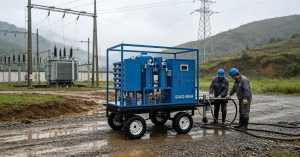
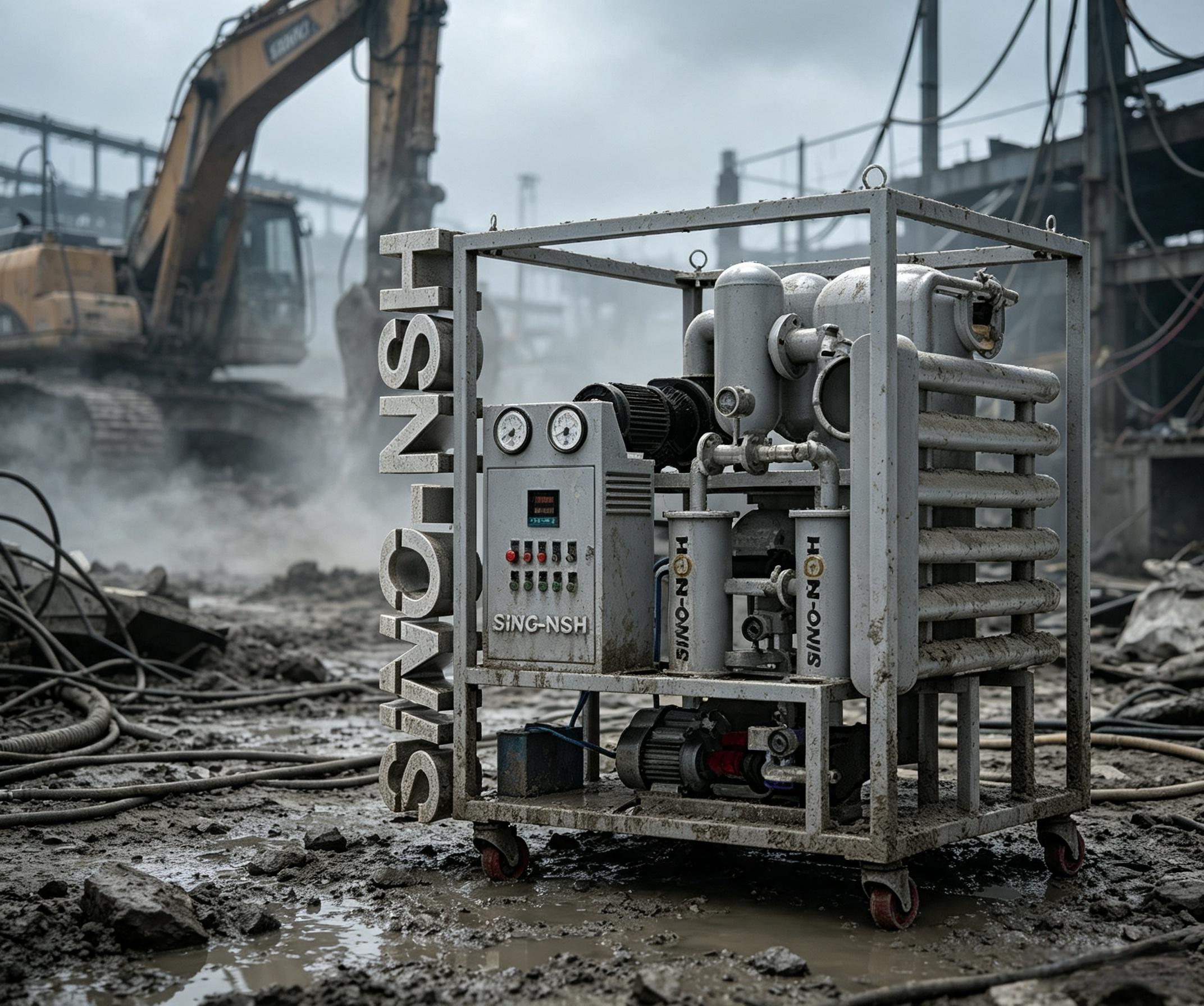
Our offerings include vacuum oil purifiers in explosion-proof configurations for transformer, turbine, and hydraulic oils. We also supply portable filtration units with mobile, explosion-proof designs for field service. Custom protection levels include Ex d II BT4, Ex d II CT4, and ATEX-compliant options. Our systems handle transformer oil, turbine oil, hydraulic oil, lubricating oil, and fuel oils.
Based on your working conditions, explosion classification, and oil type, we deliver tailored purification solutions for the most demanding environments.
Frequently Asked Questions
What is the difference between explosion-proof and standard purifiers?
Explosion-proof purifiers have protected electrical components to prevent ignition in flammable atmospheres. Standard units lack this protection and are prohibited in hazardous areas.
Which rating do I need?
It depends on your gas group (IIB or IIC) and temperature class. Ex d II BT4 covers most applications. Ex d II CT4 is for hydrogen, acetylene, or underground coal mines.
Can they operate while equipment is running?
Yes. Many models support online operation, allowing purification without shutting down turbines or compressors.
What oils can they purify?
Transformer oil, turbine oil, hydraulic oil, lubricating oil, diesel, fuel oil, compressor oil, and low-flash-point fluids like kerosene.
Are they required by law?
In many jurisdictions, yes. ATEX, IECEx, and GB 3836 mandate explosion-proof equipment in classified hazardous zones.
Conclusion
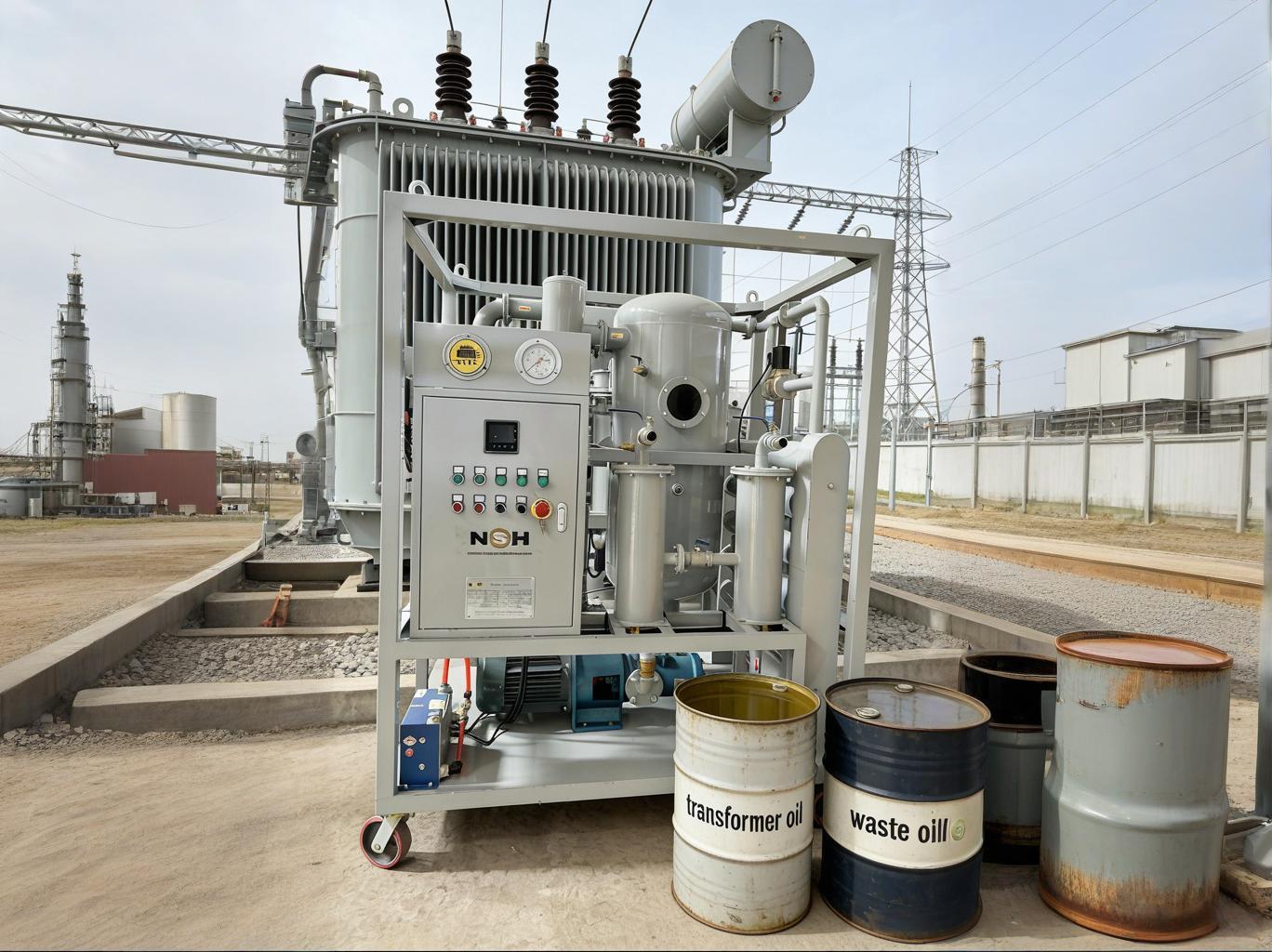
Explosion-proof oil purifiers are essential for any operation involving flammable gases, vapors, combustible dust, or low-flash-point oils. They combine high-performance purification with critical safety features for hazardous environments.
Choosing the right system depends on your working conditions, explosion classification (Ex d II BT4 or CT4), and oil type. Online-capable models offer uninterrupted production while maintaining oil quality.
Sino-NSH provides professional explosion-proof oil purification solutions for refineries, chemical plants, mines, offshore platforms, and other hazardous applications—ensuring safety and reliability in the most demanding conditions.