E-mail seo@sino-purification.com

Time:2026-07-17 14:06:30 Reading volume:
Industrial oils used in chemical plants operate under demanding conditions. Hydraulic oil, lubricating oil, gear oil, and heat transfer oil are often exposed to moisture, solid particles, oxidation products, and high operating temperatures. Without proper filtration, contaminated oil can reduce equipment efficiency, shorten component life, and increase maintenance costs.
Choosing the right oil purification system is therefore not just about buying a machine—it's about selecting a solution that matches your operating conditions and oil contamination level.
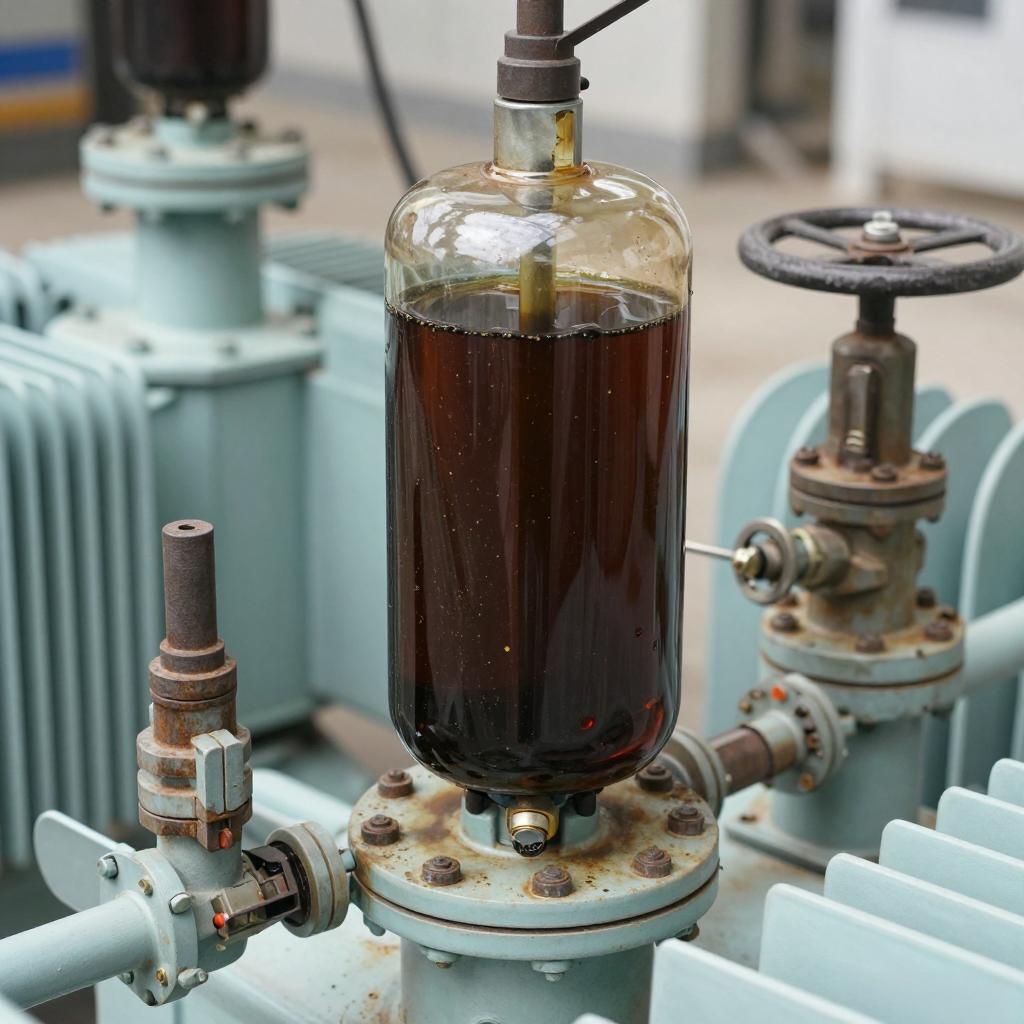
Different oils require different purification methods. Before selecting an oil purifier, identify the type of oil you need to treat.
Common applications in chemical plants include:
Each oil has different viscosity, operating temperature, and contamination characteristics. A system designed for transformer oil, for example, may not be the best choice for high-viscosity industrial lubricants.
The purification process depends on what contaminants need to be removed.
Typical contamination in chemical plants includes:
If moisture is the primary concern, a vacuum oil purifier is generally the most effective solution because it removes both water and dissolved gases simultaneously.
If the oil mainly contains particulate contamination, a precision filtration system may be sufficient.
For severely contaminated oil, a combination of vacuum dehydration and multi-stage filtration often delivers the best results.
Selecting the largest machine is not always the best investment.
The required flow rate should be based on:
Oversized equipment increases investment costs, while undersized systems may require excessive operating time.
A manufacturer should recommend the appropriate capacity based on your actual operating conditions rather than simply offering the highest-capacity model.
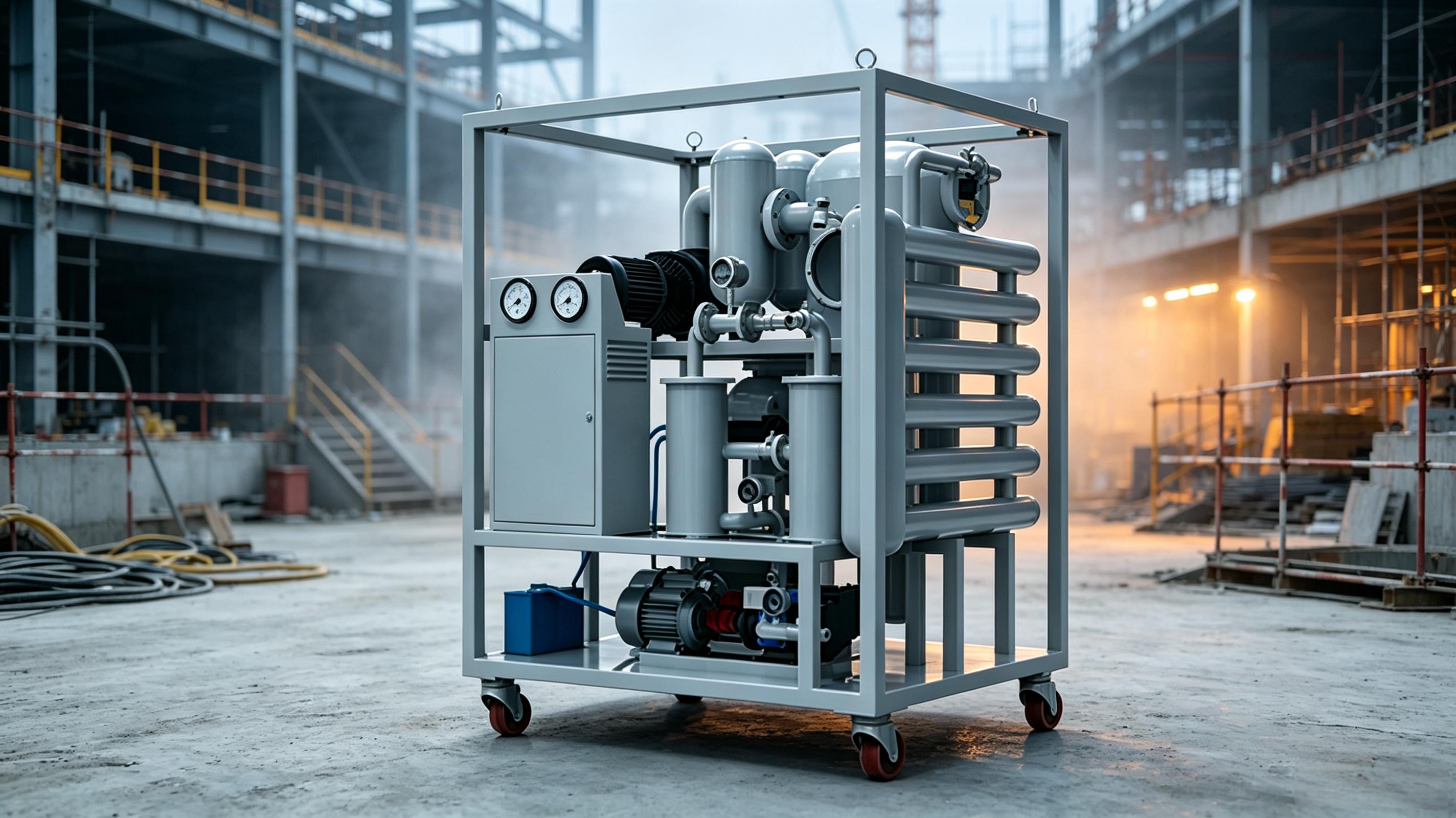
Chemical plants often operate in environments where flammable gases or volatile chemicals are present.
In these situations, safety is a critical factor.
Depending on the installation area, you may require:
Always confirm local regulations before selecting equipment for hazardous locations.
The purchase price is only part of the total cost of ownership.
Before making a decision, consider:
A reliable oil purification system should deliver consistent performance while minimizing maintenance requirements and downtime.
Chemical industry applications often require customized solutions rather than standard machines.
An experienced manufacturer should be able to evaluate:
Based on these factors, they can recommend the most suitable purification technology and equipment configuration.
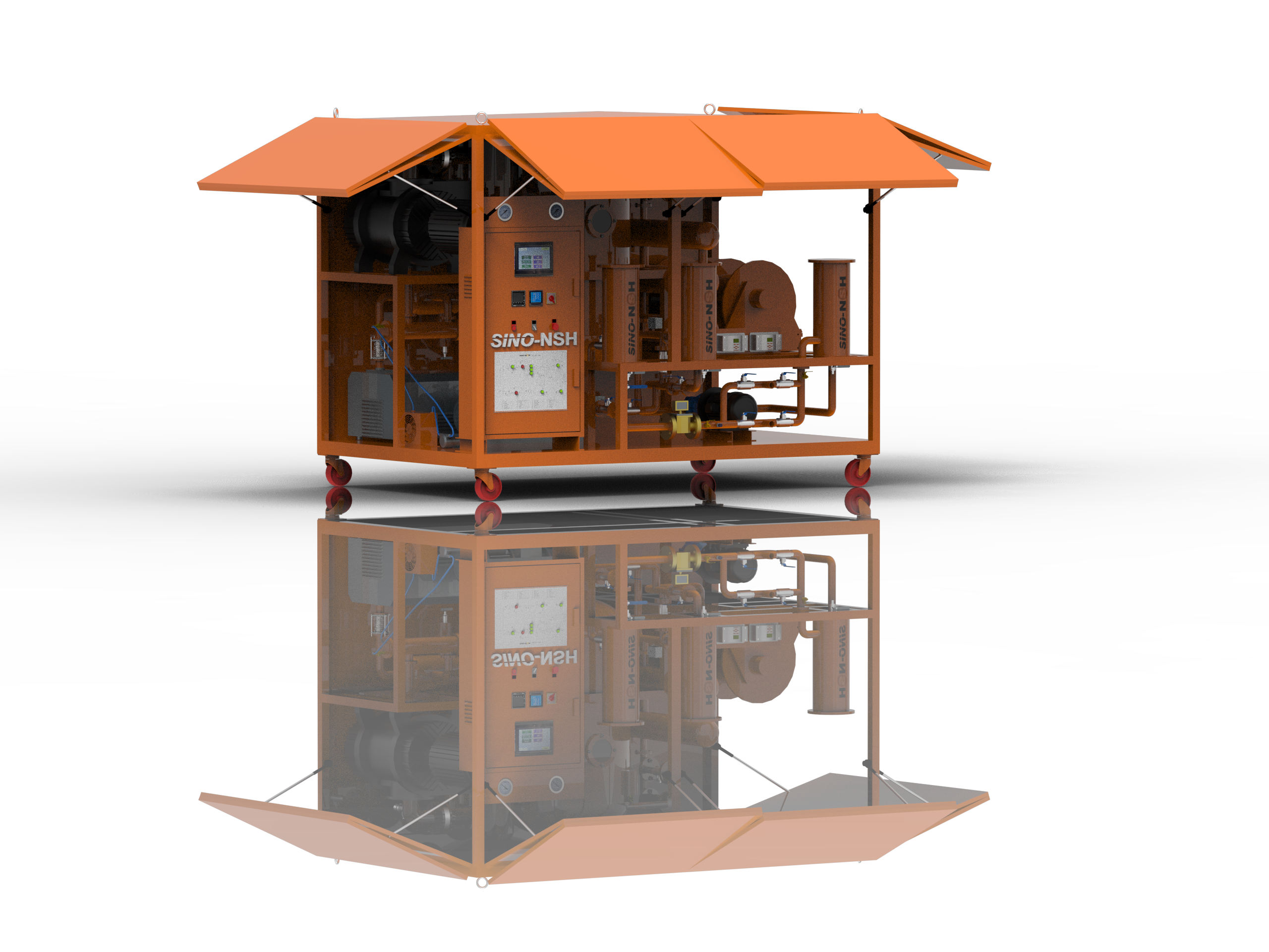
Selecting the right oil purification system for chemical industry applications requires more than comparing prices or flow rates. Understanding your oil type, contamination level, processing requirements, and safety standards will help ensure reliable operation and longer equipment life.
Sino-NSH specializes in industrial oil purification systems for hydraulic oil, lubricating oil, gear oil, compressor oil, and other industrial fluids. We provide customized solutions for chemical plants, refineries, power stations, and manufacturing facilities worldwide. If you're planning a new oil purification project or upgrading your existing system, contact our engineering team for professional recommendations and a solution tailored to your application.
Explosion-Proof Oil Purifier Selection Guide: Which Working Conditions Require One?
How to Prevent Rapid Lubricating Oil Degradation in Steel Mills
Can an Oil Purifier Remove Acid? Understanding the Limits of Oil Regeneration
Chemical Industry Oil Purification: How to Choose the Right Oil Purifier
Why Is Coalescing Water Removal More Stable Than Vacuum Dehydration?


