E-mail seo@sino-purification.com

Time:2026-07-14 13:40:26 Reading volume:
Water contamination is one of the most common causes of lubricant and hydraulic system failures. While several oil purification technologies can remove water, coalescing dehydration is often preferred when the goal is stable, continuous water removal without heating or vacuum treatment.
Unlike vacuum dehydration, which relies on temperature and vacuum pressure, a coalescing oil purifier separates water by merging tiny water droplets into larger ones, allowing them to settle and be removed more consistently. This is why coalescing systems are widely used for hydraulic oil, turbine oil, diesel fuel, and lubrication systems where maintaining oil quality is critical.
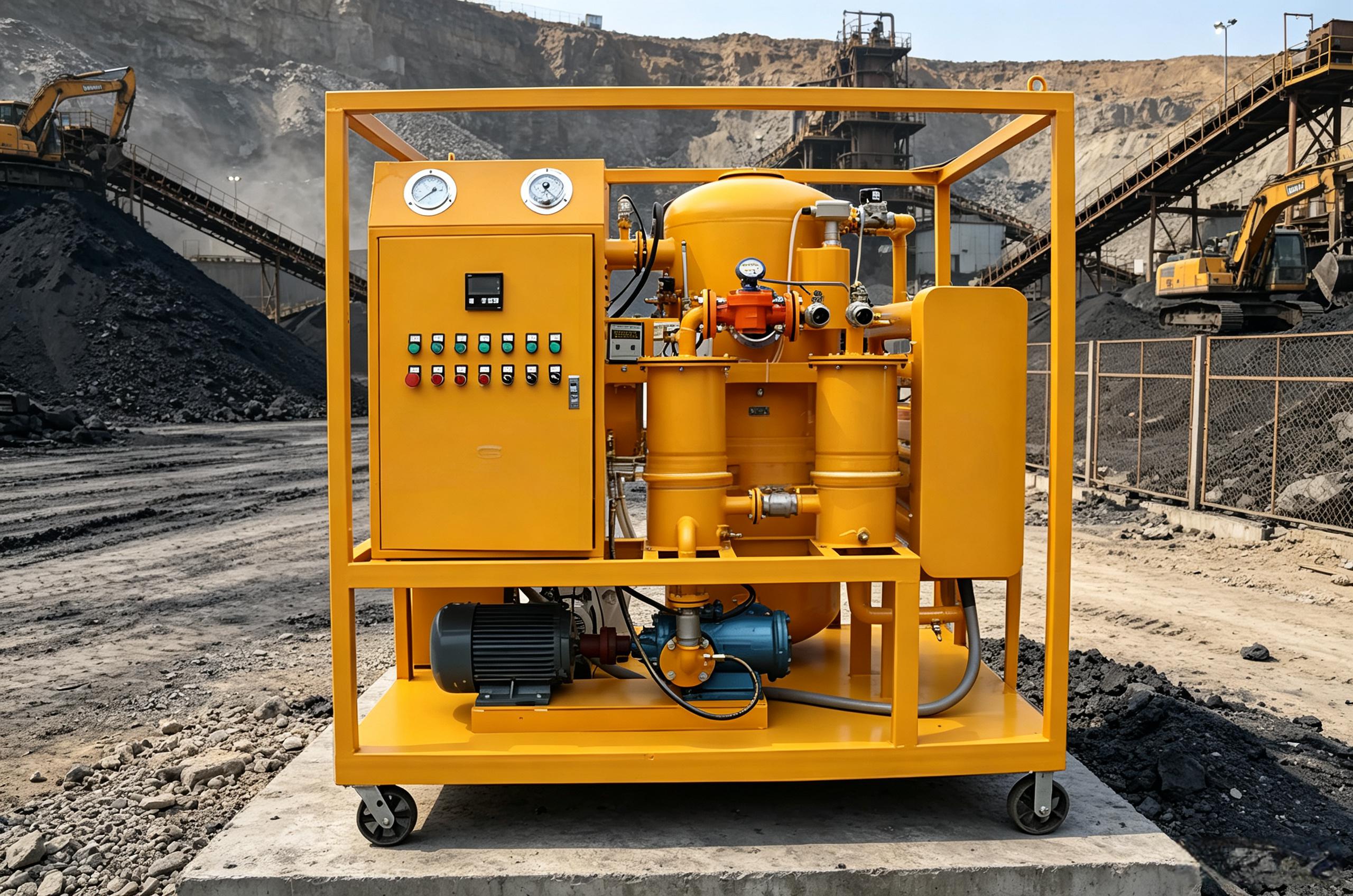
A coalescing dehydration system typically uses two stages of filtration:
Because the process is based on physical separation rather than evaporation, the oil is treated at or near ambient temperature, reducing the risk of thermal degradation.
This technology is especially effective for removing free water and a significant portion of emulsified water, depending on the oil type and contamination level.
Vacuum oil purifiers deliver excellent dehydration performance, but their efficiency depends on maintaining a stable vacuum level, proper heating temperature, and airtight system sealing.
A coalescing system does not require vacuum pumps or vacuum chambers. With fewer variables affecting performance, water removal remains more consistent during long operating periods.
For facilities seeking continuous oil conditioning with minimal operator intervention, this can be a significant advantage.
Many industrial oils contain additives that can gradually degrade under excessive heat.
Since coalescing dehydration generally operates without high-temperature heating, it helps preserve additive packages while minimizing oxidation risks.
This makes it particularly suitable for:
where maintaining original oil properties is just as important as removing water.
Instead of treating oil in batches, coalescing systems are commonly installed as offline filtration units or kidney loop filtration systems, allowing oil to circulate continuously.
This provides several benefits:
For hydraulic power units and steam turbine lubrication systems, continuous dehydration often results in more predictable equipment performance.
Because no deep vacuum or high-temperature heating is required, coalescing oil purifiers generally consume less energy than vacuum dehydration systems.
For applications where the primary objective is removing free water rather than dissolved moisture, coalescing technology can provide a more energy-efficient solution.
Coalescing dehydration performs best when the oil contains:
It is commonly used in:
However, if the oil contains large amounts of dissolved water or requires gas removal, a vacuum oil purifier is generally the more appropriate solution.
Choosing the right technology depends on the type of contamination rather than selecting the most complex system.
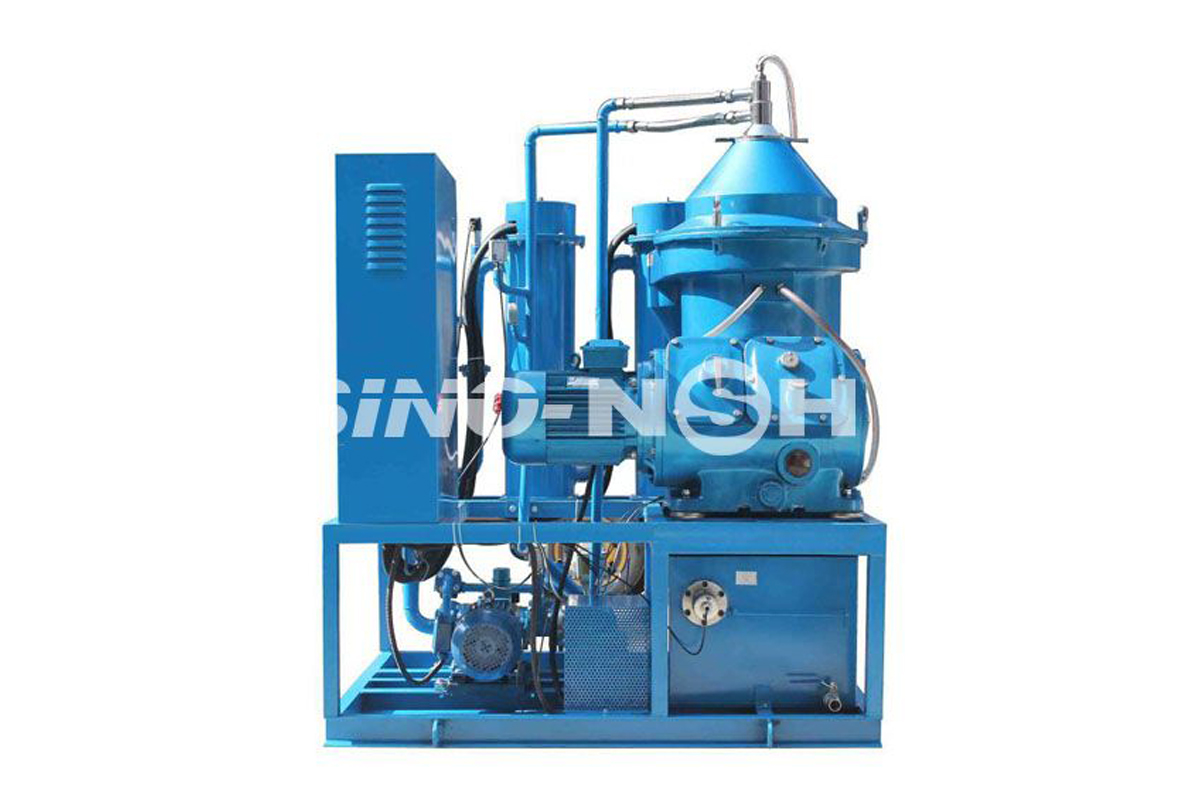
In real industrial applications, the effectiveness of a coalescing oil purifier is influenced not only by the equipment itself but also by the condition of the oil.
For example, oils heavily contaminated with detergents, surfactants, or degraded additives can form stable emulsions that are difficult for any coalescing element to separate efficiently. In these situations, pretreatment or an alternative dehydration technology may deliver better results.
This is why experienced suppliers evaluate the oil condition before recommending a purification solution instead of suggesting the same equipment for every application.
Not completely. Coalescing systems are primarily designed to remove free water and part of the emulsified water. If dissolved moisture must be reduced to very low levels, a vacuum oil purifier is usually recommended.
Most coalescing systems operate without external heating, although mild heating may be used in some applications involving high-viscosity oils to improve flow characteristics.
Neither technology is universally better. Coalescing filtration offers stable, energy-efficient removal of free water, while vacuum dehydration is more suitable for oils containing dissolved water, gases, or severe moisture contamination.
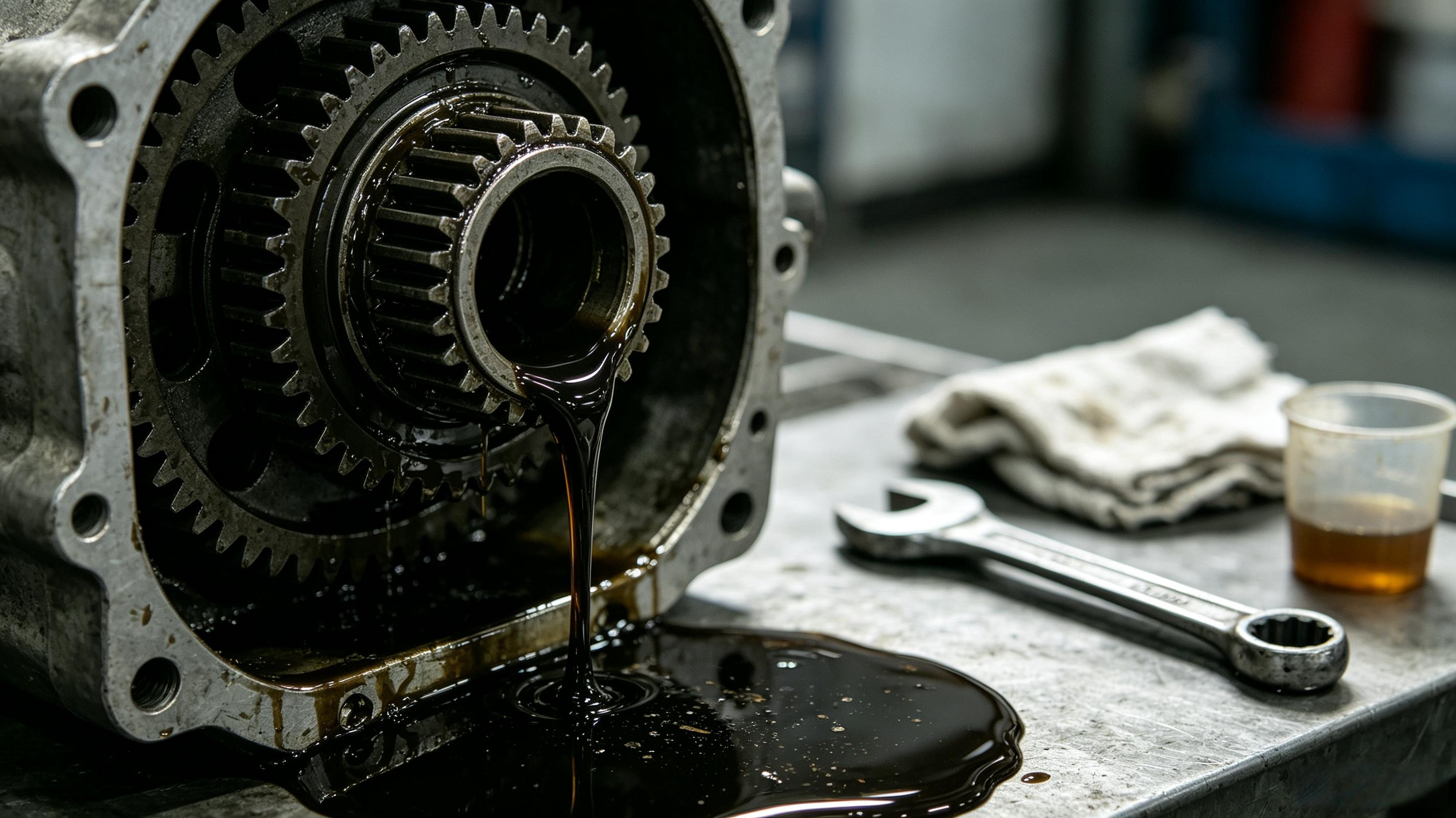
Coalescing dehydration provides a stable and reliable method for removing water from industrial oils because it relies on physical separation rather than vacuum pressure or high-temperature evaporation. Its consistent performance, lower energy consumption, and ability to operate continuously make it an excellent choice for many hydraulic, lubrication, and turbine oil applications.
At SINO-NSH, we provide professional oil purification solutions designed for different contamination conditions and operating environments. Whether you require a coalescing oil purifier, a vacuum dehydration system, or a complete offline oil filtration solution, our engineering team can help you select the most suitable technology for improving oil cleanliness, extending equipment life, and reducing maintenance costs.
Explosion-Proof Oil Purifier Selection Guide: Which Working Conditions Require One?
How to Prevent Rapid Lubricating Oil Degradation in Steel Mills
Can an Oil Purifier Remove Acid? Understanding the Limits of Oil Regeneration
Chemical Industry Oil Purification: How to Choose the Right Oil Purifier
Why Is Coalescing Water Removal More Stable Than Vacuum Dehydration?


