E-mail seo@sino-purification.com

Time:2026-07-09 16:31:14 Reading volume:
Water and solid contamination are two of the most common problems in hydraulic oil systems. Once hydraulic oil becomes cloudy, contaminated, or moisture-laden, many users ask the same question: should you use a centrifugal oil purifier or a vacuum oil purifier?
The answer depends on what kind of contamination is in the oil.
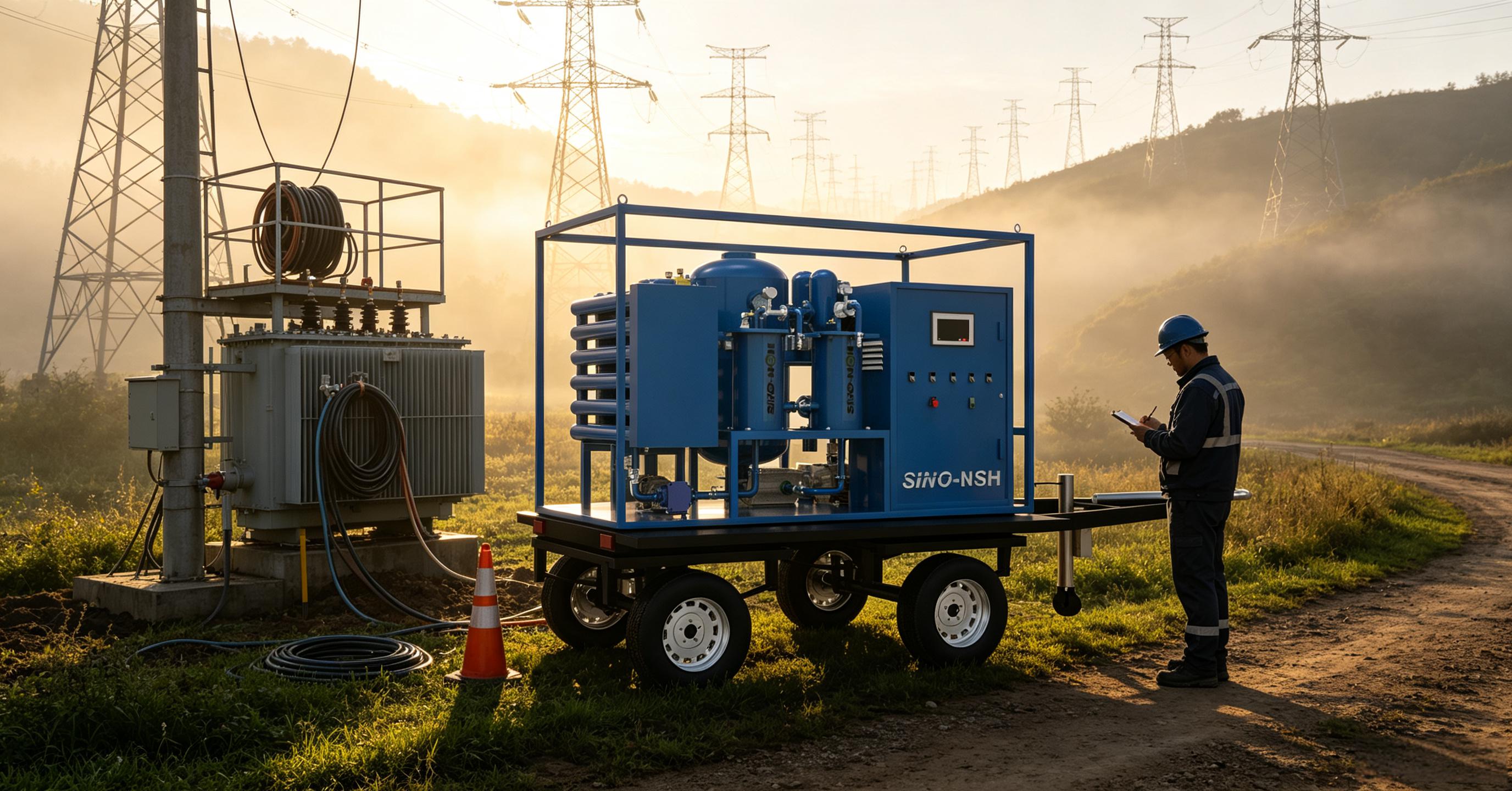
A centrifugal oil purifier separates contaminants by density difference. It is generally suitable for removing free water, larger particles, and heavier sludge from hydraulic oil. In applications with high contamination loads, it can be a practical option for basic oil cleaning.
However, centrifugal separation has limitations. It is usually less effective for emulsified water, dissolved moisture, and very fine particles, which are common in hydraulic systems.
A vacuum oil purifier is typically more effective when hydraulic oil contains water, gas, and fine contaminants. By combining vacuum dehydration, heating, and precision filtration, it can remove not only free water but also emulsified water and some dissolved water, while improving oil cleanliness.
This makes vacuum purification a better fit for hydraulic systems that require low moisture content, cleaner oil, and more stable operating performance.
In simple terms, a centrifugal oil purifier is mainly used for coarse separation, while a vacuum oil purifier is designed for deeper dehydration and finer filtration.
If the oil mainly contains bulk water and heavier solids, centrifugal purification may be enough. But if the hydraulic oil contains emulsified water, fine wear particles, oxidation sludge, or air, a vacuum oil purifier is usually the more suitable solution.
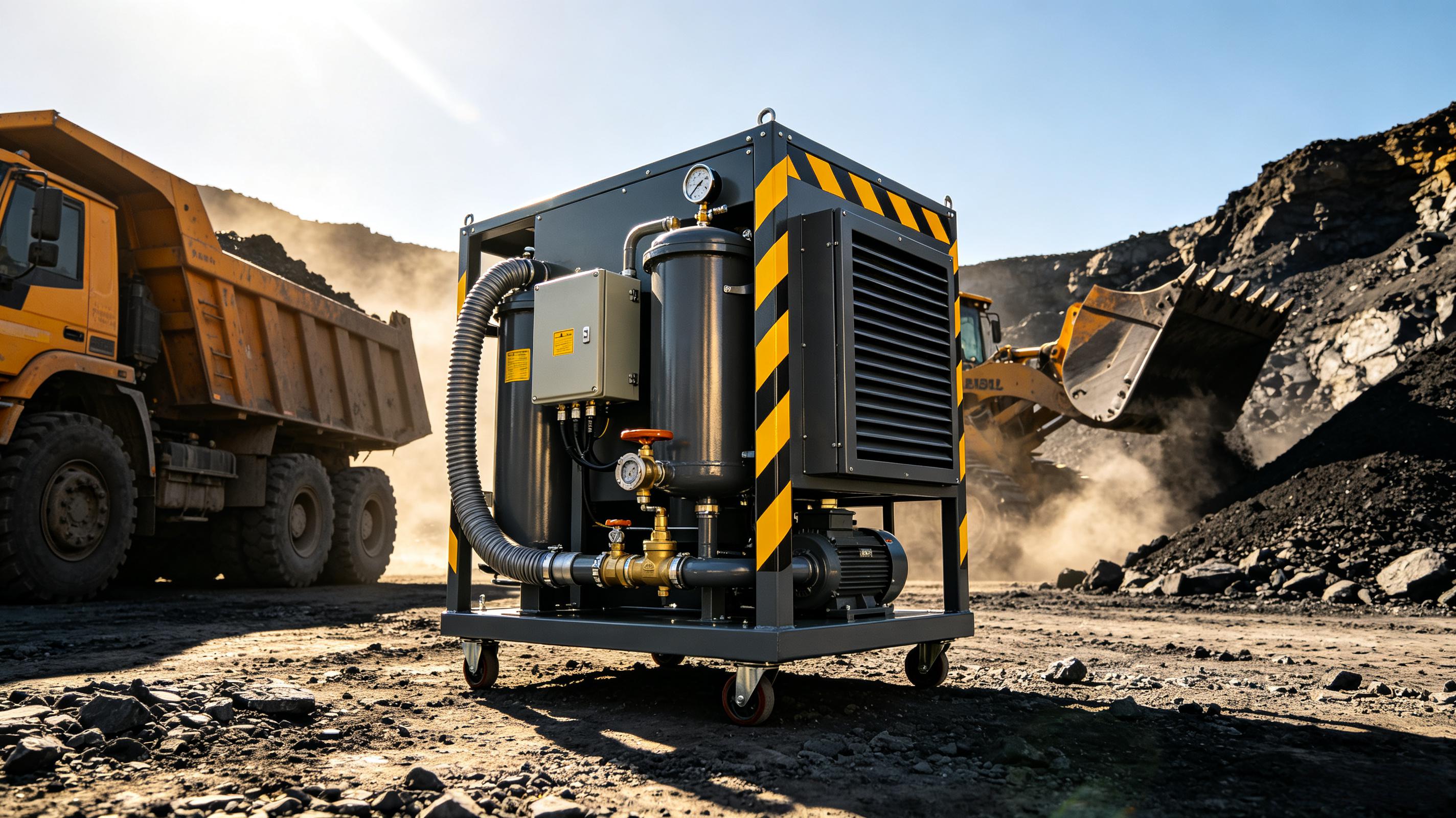
For most industrial hydraulic oil applications, a vacuum oil purifier is the more practical choice because hydraulic oil contamination is rarely limited to just free water. In many cases, the oil also contains emulsified moisture, fine particles, and oxidation by-products, all of which can affect pumps, valves, and system reliability.
That is why vacuum dehydration and fine filtration are widely used in hydraulic oil maintenance, especially where oil cleanliness and moisture control are critical.
When choosing between a centrifugal and a vacuum oil purifier for hydraulic oil, the key is to first identify the type of contamination.
If the main problem is free water and larger solids, centrifugal separation may work.
If the oil contains emulsified water, dissolved moisture, and fine contaminants, a vacuum oil purifier is usually the better option.
NSH Oil Purifier provides hydraulic oil filtration and dehydration solutions for different contamination conditions and operating requirements. If you are dealing with water-contaminated hydraulic oil and are not sure which purification method fits your system, contact NSH Oil Purifier for a suitable recommendation.
Explosion-Proof Oil Purifier Selection Guide: Which Working Conditions Require One?
How to Prevent Rapid Lubricating Oil Degradation in Steel Mills
Can an Oil Purifier Remove Acid? Understanding the Limits of Oil Regeneration
Chemical Industry Oil Purification: How to Choose the Right Oil Purifier
Why Is Coalescing Water Removal More Stable Than Vacuum Dehydration?


