E-mail seo@sino-purification.com

Time:2026-07-13 13:10:52 Reading volume:
In power transformer installation and maintenance, the Breakdown Voltage (BDV) of insulation oil is a critical indicator of its dielectric strength and purity. However, a common and frustrating issue that engineers encounter is when the vacuum oil purifier runs continuously, and the oil looks visually crystal clear, yet the BDV test results remain stubborn and won't increase to acceptable levels.
When transformer oil BDV fails to improve despite filtration, it usually points to a "composite contamination" of trace dissolved water, sub-micron carbon particles, and polar contaminants. To successfully boost the breakdown voltage to meet high-voltage or ultra-high-voltage equipment commissioning standards, technical teams must perform a deep dive into three core areas.
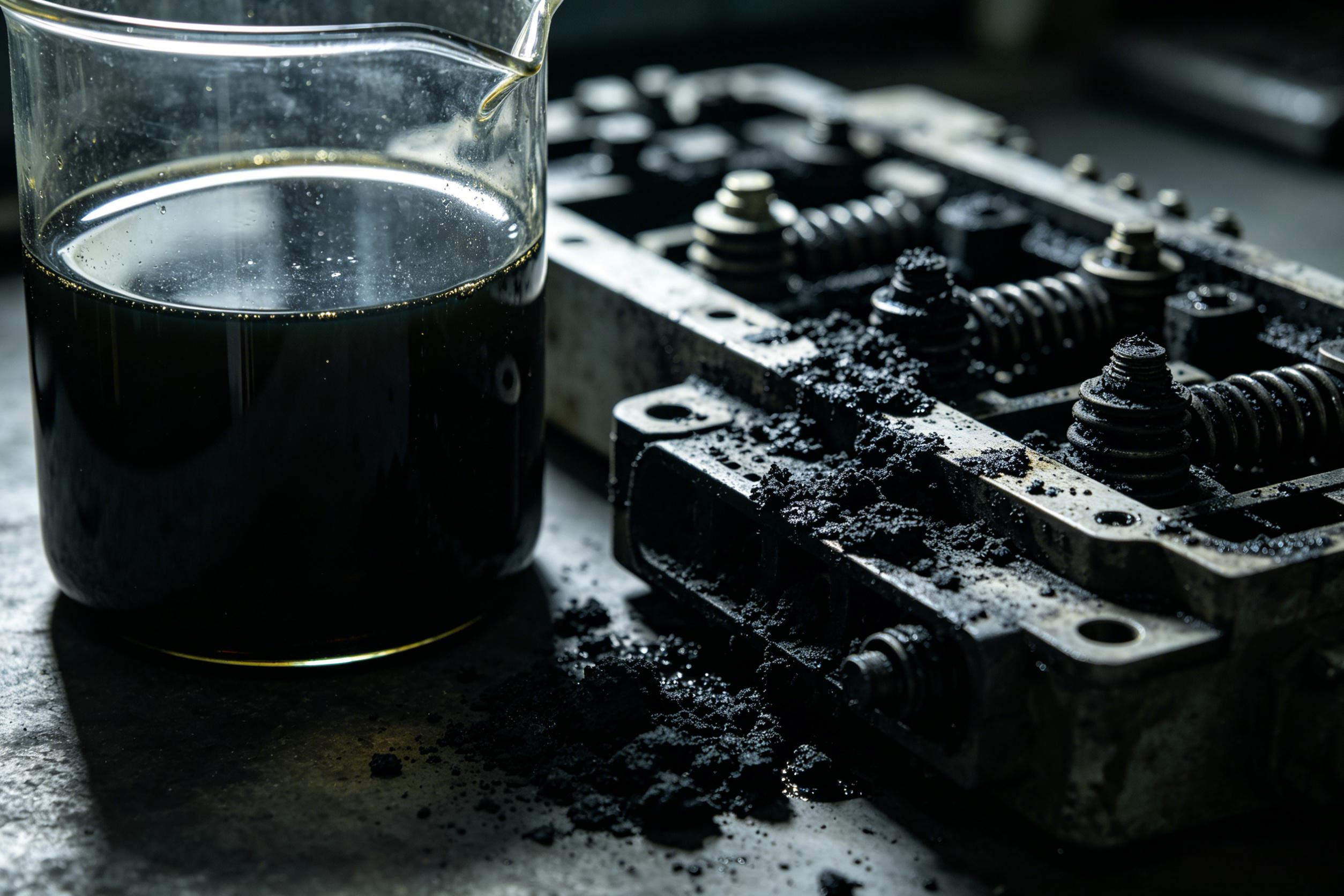
Moisture is the leading cause of a drastic drop in transformer oil breakdown voltage. Even if the oil appears perfectly transparent to the naked eye, high concentrations of dissolved water and free moisture will align under a strong electrical field, forming invisible conductive paths that trigger premature breakdown.
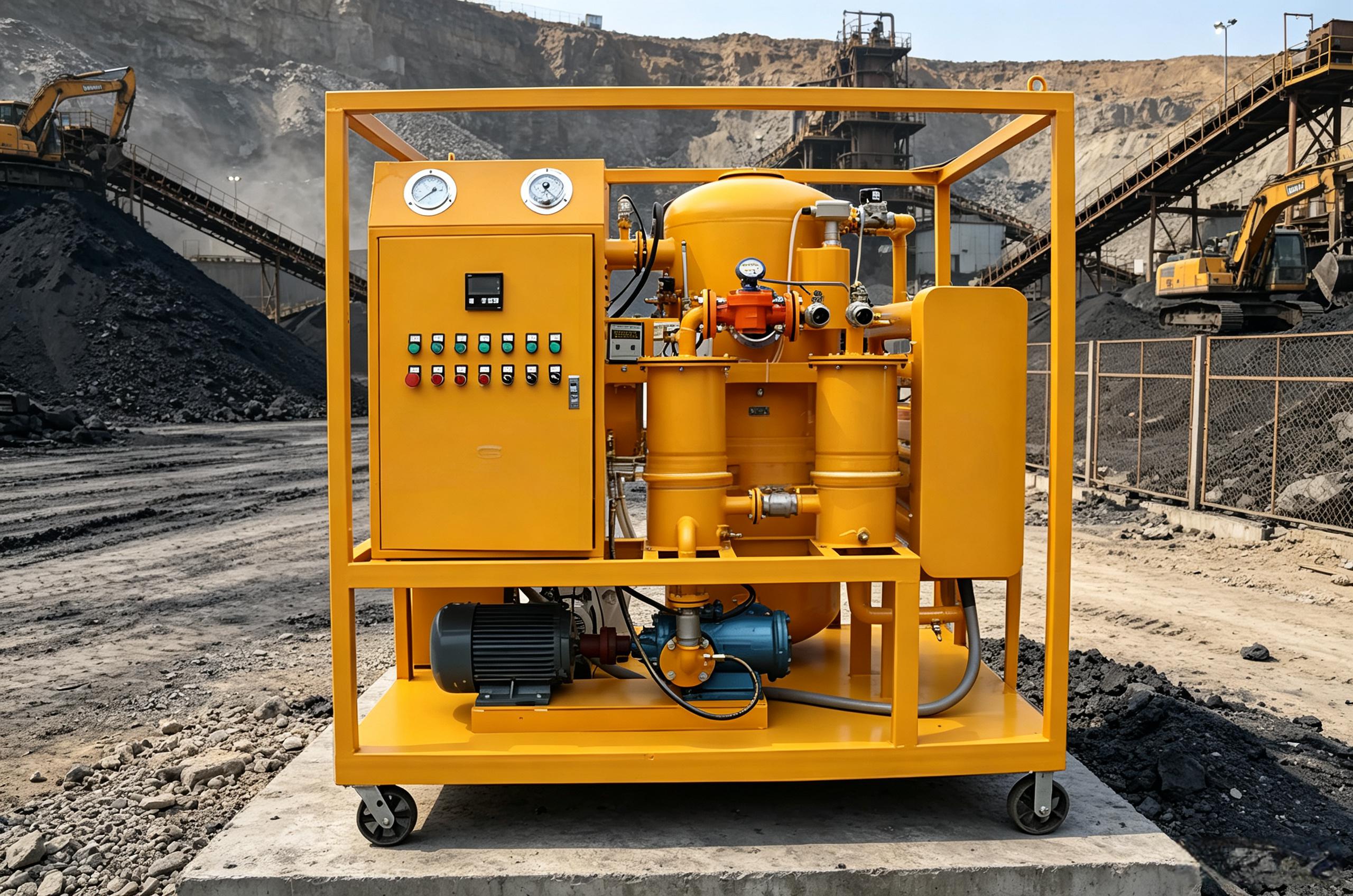
To raise the BDV, deep dehydration is the priority. Standard oil purifiers often struggle if they cannot maintain a high enough vacuum to pull out deep-seated dissolved water. Achieving high dielectric strength requires a double-stage high-vacuum oil purifier capable of maintaining a stable, low limit vacuum.
Additionally, controlling the oil temperature is crucial—temperatures too low hinder water evaporation, while excessive heat accelerates oil aging. The flash vaporization surface area inside the vacuum chamber also matters; only when the oil forms a microscopic film can trace ppm-level water be instantly vaporized.
If laboratory tests confirm that the moisture content (PPM) is already well within limits, but the breakdown voltage still refuses to rise, the culprit is almost certainly suspended particulate matter. Throughout long-term transformer operation or localized arcing events, extremely fine carbon particles, metal dust, and colloidal fibers are generated.
Standard filter elements typically have a filtration rating that is too coarse to trap these microscopic particles, allowing them to pass through and form "conductive bridges" under high voltage.
To overcome this, you must upgrade to high-precision micro-glass or pleated filter elements with a rating of 1 micron or less to physically intercept these particles. Furthermore, monitoring the differential pressure across the oil purifier filters is essential. Once a filter element becomes saturated, it can no longer block impurities and might even force captured particles back into the clean oil flow due to high pressure.
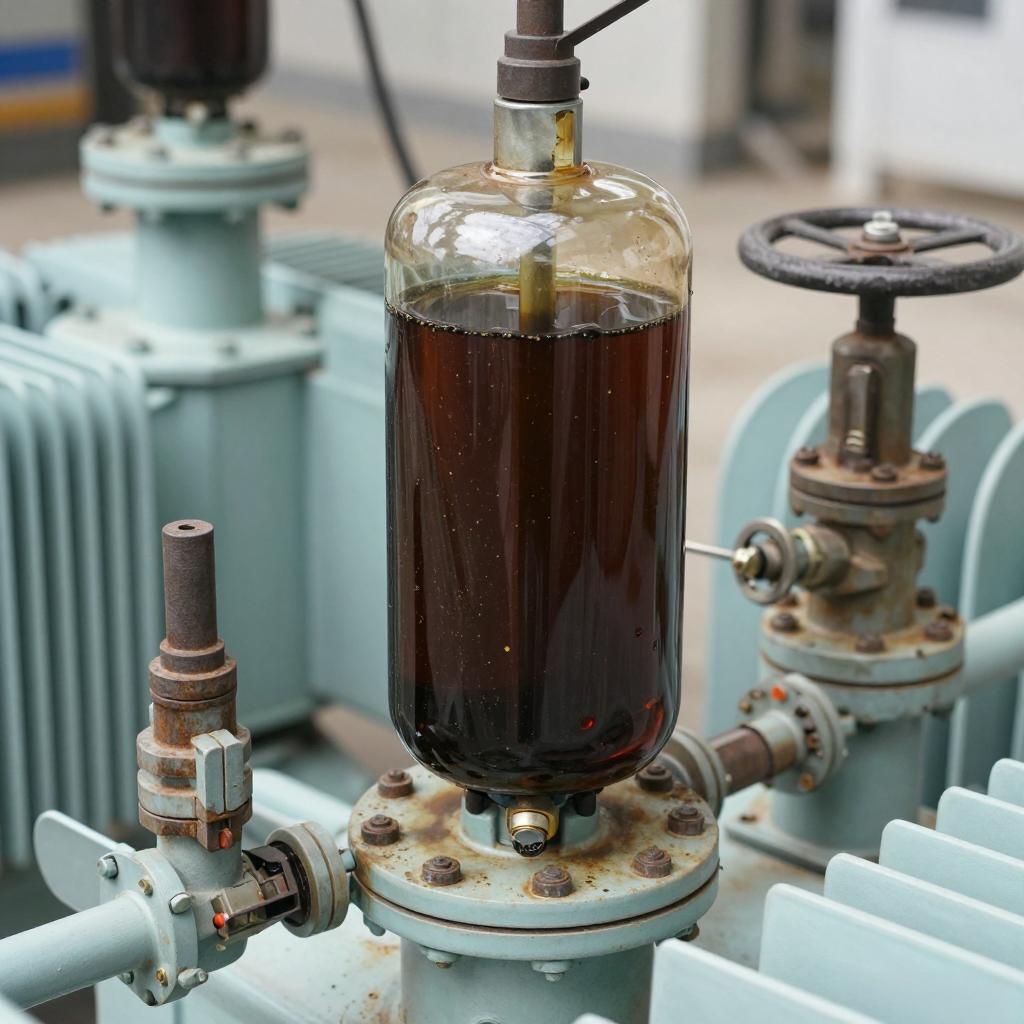
For aged transformer oil that has been in service for years or subjected to localized thermal overloads, the issue extends beyond simple physical contamination to chemical degradation. As transformer oil deteriorates, it generates soluble acids, sludge, and polar compounds that are highly sensitive to electrical fields, severely destabilizing the BDV.
When dealing with aged, oxidized oil—often indicated by a darkened or amber color—vacuum dehydration and mechanical particulate filtration alone cannot restore its dielectric properties.
This scenario demands a chemical oil regeneration process. By utilizing specialized adsorbent media, the regeneration system strips away acidic components, sludge precursors, and polar molecules at a molecular level. Combining high-vacuum degassing, ultra-fine particulate filtration, and chemical regeneration is the only definitive way to bring degraded oil back to its optimal dielectric strength.
Before concluding that your filtration equipment is underperforming, it is vital to audit your oil sampling and testing procedures. Frequently, the oil itself has been purified successfully, but faulty testing habits yield artificially low BDV readings:
Contaminated Test Vessel: If the oil cup or electrodes of the BDV tester are not thoroughly cleaned, residual carbon from previous failed tests will contaminate the new sample instantly.
Insufficient Standing Time: After pouring the oil sample into the test cup, tiny air bubbles remain trapped. If the test is started without allowing a 10-to-15-minute resting period, these micro-bubbles will ignite and break down first, resulting in a false low reading.
Improper Sampling Environment: Taking oil samples on humid or rainy days without proper protection allows the oil to absorb ambient moisture instantly, skewing lab results.
High-end electrical infrastructure demands high-efficiency oil purification processes. If you are currently struggling with low breakdown voltage, high moisture PPM, or severely aged transformer oil that standard filtration cannot fix, NSENGI Oil Purifier provides the engineered solutions you need.

As a trusted global specialist in oil purification systems, NSENGI Oil Purifier delivers advanced double-stage high-vacuum degassing systems and multi-stage precision filtration technology designed to tackle the toughest dielectric oil challenges. Contact the NSENGI engineering team today to optimize your oil treatment process, extend your transformer life expectancy, and ensure power grid reliability.
Explosion-Proof Oil Purifier Selection Guide: Which Working Conditions Require One?
How to Prevent Rapid Lubricating Oil Degradation in Steel Mills
Can an Oil Purifier Remove Acid? Understanding the Limits of Oil Regeneration
Chemical Industry Oil Purification: How to Choose the Right Oil Purifier
Why Is Coalescing Water Removal More Stable Than Vacuum Dehydration?


