E-mail seo@sino-purification.com

Time:2026-10-09 16:45:47 Reading volume:
Different industrial oils cannot always be processed by the same oil purifier because they differ in viscosity, chemical composition, additives, contamination characteristics, and treatment requirements. A machine designed for transformer oil may be suitable for certain mineral-based turbine or hydraulic oils, but it may not be appropriate for phosphate ester fluids or other specialty oils without specific compatibility checks.
The key is not whether one machine can process multiple oils, but whether its materials, treatment processes, and operating conditions are suitable for each oil type. Using an unsuitable system can result in incomplete purification, cross-contamination, oil degradation, or equipment damage.
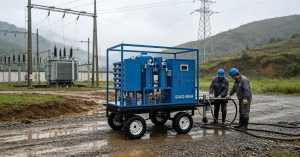
Industrial oils perform different functions. Transformer oil provides electrical insulation and cooling, hydraulic oil transmits power, and turbine oil lubricates bearings and supports reliable operation. Their purification requirements therefore vary.
Viscosity directly affects how oil flows through pumps, pipes, heaters, and filter elements.
Transformer oil is generally less viscous than many heavy industrial lubricants. High-viscosity oils may require different pump capacities, heating arrangements, or flow rates to achieve effective treatment.
If a machine is designed for low-viscosity oil, processing a much heavier lubricant without checking its operating limits may cause excessive pressure drop, reduced flow, or unstable operation.
Hydraulic oils, turbine oils, and industrial lubricants may contain different additive packages, including anti-wear agents, antioxidants, and corrosion inhibitors.
These additives are essential to oil performance. An unsuitable treatment temperature or process can affect oil stability or additive performance.
Specialty fluids require particular attention. Phosphate ester fire-resistant hydraulic fluids, for example, have different chemical properties from conventional mineral oils. They require compatible wetted materials, seals, and a treatment process designed for that fluid.
A standard mineral-oil purifier should not be assumed suitable for every synthetic or fire-resistant fluid.
The contaminants found in an oil system depend on its application and operating environment.
Transformer oil: Moisture, dissolved gases, and solid particles can affect dielectric performance.
Turbine oil: Water, particles, oxidation products, and varnish-related contamination may affect lubrication and bearing reliability.
Hydraulic oil: Fine particles and water can contribute to component wear, valve sticking, and unstable system operation.
Industrial lubricating oil: Wear debris, dirt, moisture, and degradation products may require different combinations of filtration and separation.
These differences determine whether the application needs fine filtration, vacuum dehydration, degassing, coalescing separation, or additional treatment.
One treatment process cannot be expected to solve every oil problem.
Using one machine for multiple oils is not automatically wrong. The risk arises when the equipment is used outside its design limits or without adequate preparation between applications.
Residual oil can remain inside tanks, pipelines, pumps, valves, and filter housings after a treatment cycle.
When the next oil enters the system, these residues may contaminate it. This is particularly important when processing transformer oil, where foreign contaminants can affect insulating performance, or specialty fluids with strict chemical compatibility requirements.
Changing oil types may therefore require a validated flushing and cleaning procedure. In some applications, dedicated equipment or separate oil circuits are the safer option.
A purifier may circulate oil successfully without achieving the required treatment result.
For example, a filtration-only machine may remove suspended particles but cannot automatically be relied on to remove dissolved water or gases. A vacuum dehydration system may reduce moisture, but its effectiveness depends on the oil properties, operating conditions, and system design.
If the process does not match the actual contamination, the oil may remain outside the required specification even after treatment.
Excessive or unsuitable heating, incompatible materials, and inappropriate treatment conditions can affect oil quality.
This is especially important for specialty fluids and oils containing sensitive additives. Before processing a different oil type, engineers should confirm the permitted temperature range, material compatibility, and treatment procedure.
An unsuitable machine may require lower flow rates, repeated processing, additional filtration stages, or more frequent maintenance.
The initial purchase price is only one part of the total cost. The right configuration should achieve the required oil quality without unnecessary treatment time, oil loss, or equipment modifications.
Before deciding to share a purifier across applications, evaluate four factors.
1. Oil compatibility
Confirm the exact oil type, base fluid, additives, and relevant technical data. Do not rely on descriptions such as “industrial oil” or “synthetic oil” alone.
2. Treatment requirements
Determine whether each oil requires particle removal, dehydration, degassing, or another treatment process. Check whether the machine can meet the requirements of every intended application.
3. Equipment design
Review pump performance, operating temperature, vacuum capability, filter media, seals, hoses, and all other wetted materials. The configuration must be suitable for the oils being processed.
4. Cleaning between applications
Establish whether the system can be adequately drained, cleaned, and flushed between oil types. If residual contamination cannot be controlled to an acceptable level, separate equipment may be necessary.
The final decision should be based on the equipment manufacturer's compatibility confirmation and the oil supplier's requirements.
The best equipment is determined by the oil type, its condition, and the required treatment result—not simply by rated flow capacity.
Transformer oil requires particular attention to moisture, dissolved gases, and particles because these contaminants can affect electrical insulation.
A vacuum transformer oil purifier typically combines vacuum dehydration, degassing, and filtration. Selection should consider the incoming oil condition, required breakdown voltage, moisture target, treatment capacity, and applicable maintenance requirements.
If the equipment is intended for online treatment, the transformer installation and operating procedures must also permit that arrangement.
Turbine oil systems may require water removal and fine filtration to maintain lubrication performance. Depending on the oil condition, oxidation products and varnish-related contamination may also require evaluation.
A vacuum turbine oil purifier or another suitable oil treatment system should be selected according to the water condition, particle cleanliness requirements, oil formulation, and contamination characteristics.
Ordinary dehydration and filtration should not be assumed to remove all varnish precursors or restore severely degraded oil.
Hydraulic systems often require careful control of particulate contamination because precision valves, pumps, and actuators can be sensitive to particles.
Depending on the application, suitable equipment may combine fine filtration with water removal. The required filtration rating and target cleanliness should be determined from the hydraulic system manufacturer's recommendations and the operating conditions.
Phosphate ester fluids used in electrohydraulic control systems require specific attention to material compatibility and fluid condition.
A machine intended for mineral oil should not be used for phosphate ester fluid without explicit confirmation of compatibility. The treatment process must also suit the fluid's chemical characteristics and condition.
For these applications, a dedicated or specially configured system may be preferable to a general-purpose purifier.
Sometimes. Certain mineral-oil purification systems can handle more than one compatible oil type if their operating range, treatment processes, and materials are suitable. The system must also be cleaned adequately between applications to prevent cross-contamination.
It may be suitable for some mineral-based hydraulic oils, depending on viscosity, additives, required cleanliness, and machine specifications. However, compatibility should be confirmed before use. A transformer oil purifier should not automatically be considered suitable for every hydraulic fluid.
Phosphate ester fluid has different chemical and material-compatibility requirements from conventional mineral oil. Incompatible seals, coatings, or other wetted materials may deteriorate or contaminate the fluid. Use only equipment and treatment procedures approved for the specific fluid.
No. A properly designed multi-purpose system can be practical when the oils are compatible and the required treatment results can be achieved. Dedicated equipment becomes more attractive when oils have different chemical properties, strict cleanliness requirements, or a high risk of cross-contamination.
No. Replacing a filter element may change particle-removal performance, but it does not resolve every compatibility issue. Pump capacity, heating, vacuum performance, seals, hoses, and treatment technology must also be considered.
Provide the exact oil name and type, the main contamination problem, the oil volume to be treated, required processing capacity, target oil quality, and operating conditions. For specialty fluids, include the relevant technical data sheet and safety data sheet where available.
Different oils require different treatment strategies, but this does not mean every oil needs an entirely separate machine. The right decision depends on fluid compatibility, contamination, treatment objectives, and the risk of cross-contamination.
Sino-NSH provides industrial oil purification equipment for applications including transformer oil, turbine oil, hydraulic oil, and lubricating oil. Depending on the model and application, treatment configurations may include filtration, vacuum dehydration, and degassing.
If you need to process more than one oil type, identify all intended fluids before selecting the equipment. Sharing the oil specifications, contamination data, required capacity, and treatment targets allows the appropriate configuration to be evaluated before purchase.
The goal is not simply to find one machine for every oil, but to select a system that can treat each compatible oil safely and achieve the required results.
Why Different Oil Types Cannot Always Use the Same Oil Purifier
Explosion-Proof Oil Purifier Selection Guide: Which Working Conditions Require One?
How to Prevent Rapid Lubricating Oil Degradation in Steel Mills
Can an Oil Purifier Remove Acid? Understanding the Limits of Oil Regeneration
Chemical Industry Oil Purification: How to Choose the Right Oil Purifier


