E-mail seo@sino-purification.com

Time:2025-12-17 15:46:42 Reading volume:
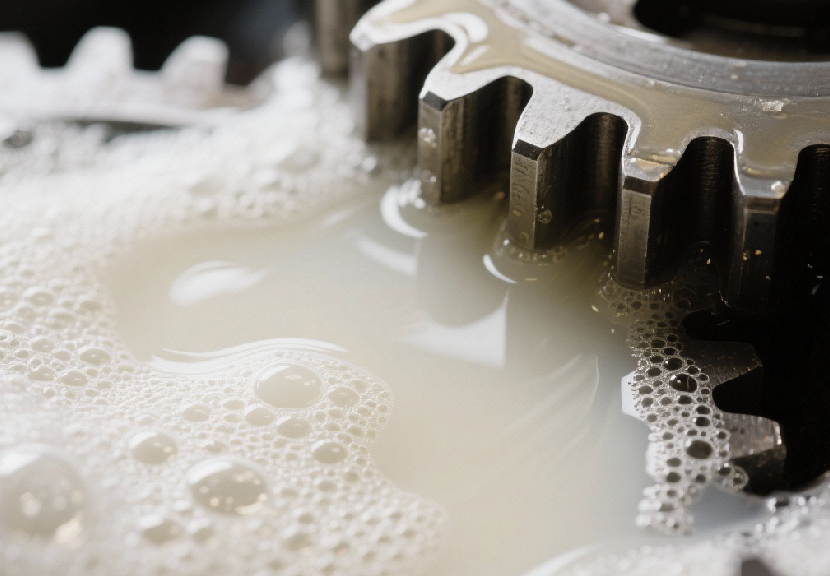
Water contamination in hydraulic oil is a serious and common issue that can cause corrosion, cavitation, pump damage, and valve failure. Once detected, immediate action is required.
The correct water removal method depends on the severity of contamination, system type, and operating conditions.
If oil appears milky, emulsified, or heavily turbid, stop the system immediately to prevent component damage.
Common causes include:
Oil cooler leakage
Damaged seals or pump shafts
Poor or missing desiccant breathers
Condensation from temperature changes
Always remove the root cause before oil treatment.
| Contamination Level | Oil Condition | Recommended Action |
|---|---|---|
| Slight | Free water, oil clear | Settling or filtration |
| Moderate | Turbid or lightly emulsified | Forced separation |
| Severe | Fully emulsified, milky | Oil replacement recommended |
Suitable for: Free water only
Use a conical-bottom or settling tank
Heat to 60–70°C (within oil limits)
Settle for 24–48 hours, then drain water
Limitation: Cannot remove dissolved or emulsified water
Principle: Oil is heated under vacuum (50–80°C) to evaporate free, dissolved, and emulsified water.
Advantages:
Removes all water forms
Preserves oil properties
Can operate online
Restores cleanliness to NAS 6–8
Applications: Precision systems, power plants, large hydraulic systems
Separates oil, water, and solids by density
Effective for high water and particle content
Limited performance on strong emulsions and high cost
Common use: Marine and metallurgical systems
Coalescing filters merge small water droplets for separation
Effective for moderate emulsification
Filter elements require regular replacement
Uses silica gel or molecular sieves
Suitable for trace moisture removal
Requires close monitoring to prevent secondary contamination
Water content: Karl Fischer
Target <500 ppm (precision systems <200 ppm)
Cleanliness: Particle counting
Viscosity & acid number: Confirm no severe oxidation
Flush tanks and pipelines if oil was heavily emulsified
replace all hydraulic filter elements
Conical-bottom oil tanks with regular drainage
Desiccant breathers on reservoirs
Routine seal inspection
Maintain lower water-side pressure in oil coolers
Install online moisture or dew-point sensors
Do not operate long-term with water-contaminated oil
Do not heat oil above 80°C
Use proper safety and explosion-proof equipment
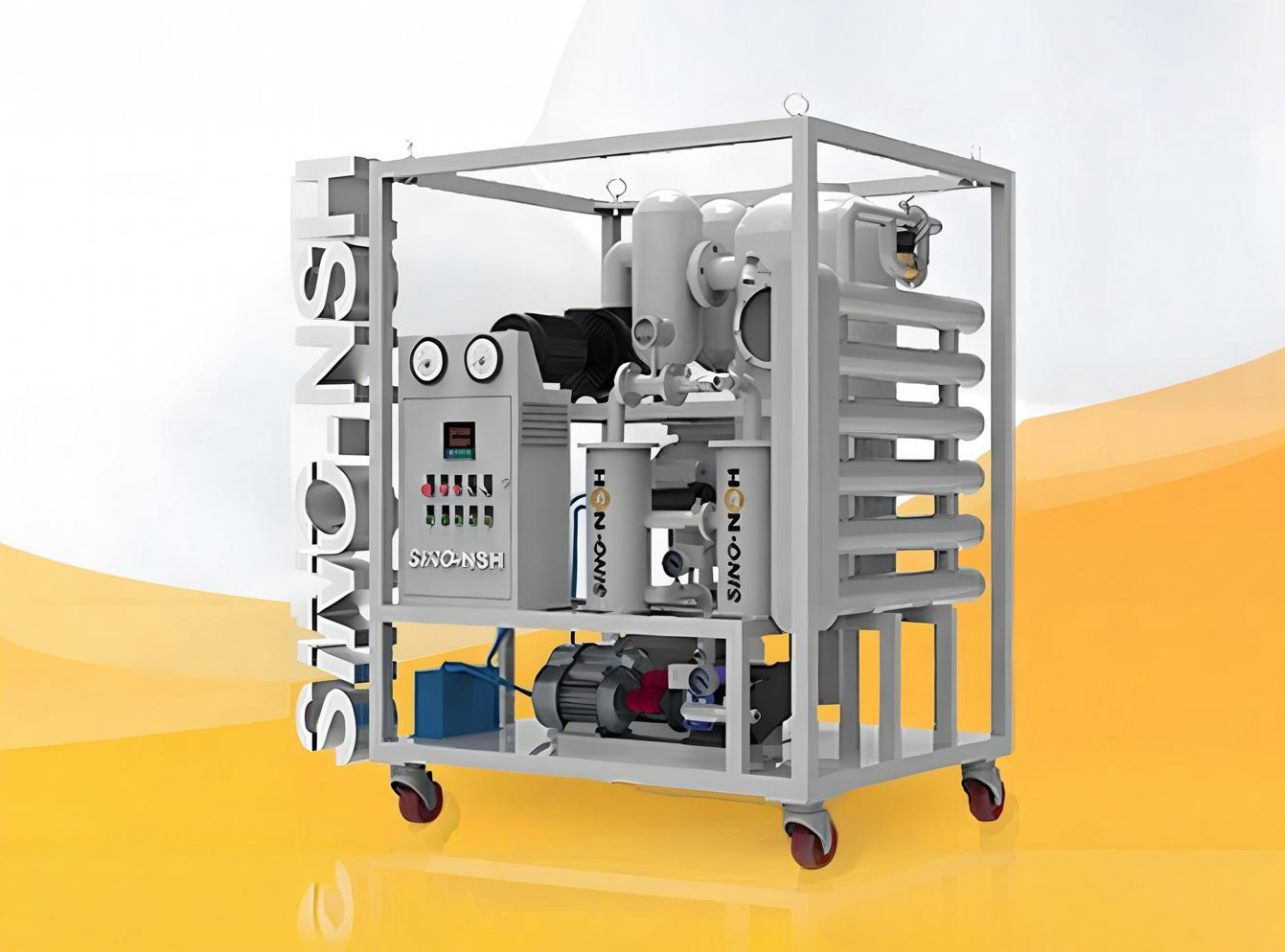
For severely contaminated or complex systems, professional on-site oil purification using mobile vacuum dehydration units is recommended.
For critical equipment, permanent online dehydration systems provide the most cost-effective long-term solution.