E-mail seo@sino-purification.com

Time:2025-12-17 14:40:20 Reading volume:
There is no fixed replacement interval for hydraulic oil. Service life depends on oil condition, operating environment, system design, and maintenance quality. Replacing oil based only on time often increases cost and risk.
This guide explains when hydraulic oil should be filtered, dehydrated, or replaced using practical industry criteria.
1. Operating Time (Reference Only)
Operating hours provide guidance but should always be verified by oil testing:
General hydraulic systems: 2,000–5,000 hours
(construction machinery, machine tools)
High-pressure or precision systems: Shorter intervals
(servo systems, injection molding machines)
Intermittent operation: Oil life may be extended if test results are acceptable
2. Oil Condition Monitoring (Key Indicators)
Oil analysis is the most reliable decision basis:
Cleanliness (ISO code): Exceeding system limits → filtration required
Moisture content:
0.1% → dehydration recommended
0.2% → oil replacement advised
Viscosity change: ±10–15% from new oil → replace
Acid number increase: Indicates oxidation → replace
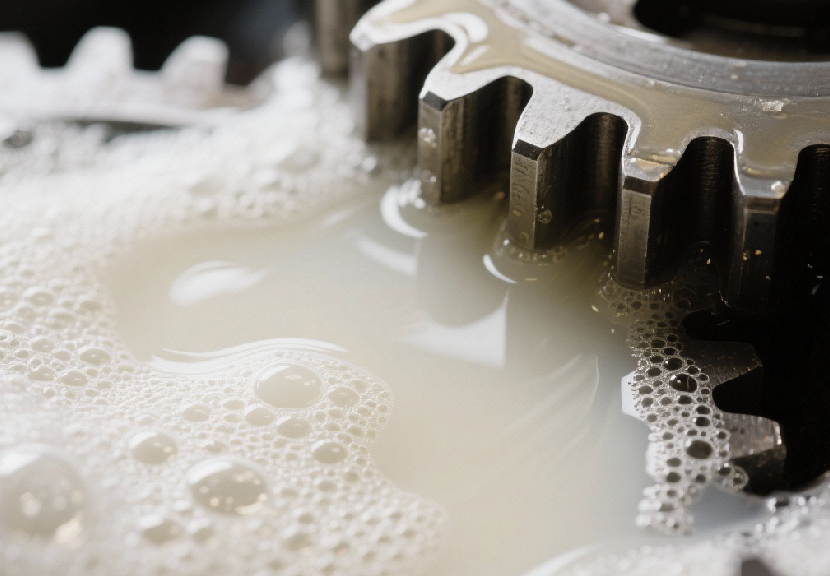
Color/odor: Dark, cloudy, or burnt smell → treatment required
3. Environmental Impact
Oil deterioration accelerates under:
High temperatures (oxidation)
Dusty or humid conditions (particle and water ingress)
Continuous heavy-load operation
Harsh environments require more frequent testing and enhanced filtration.
1. Regular Oil Testing
Sample every 3–6 months
Critical systems: 1–3 months
Use spot tests for quick contamination checks
2. Online Filtration
Install offline or kidney-loop filtration
Combine particle filtration with moisture removal
Keep reservoirs sealed with proper breathers
3. Replacement Warning Signs
Increased noise or unstable actuators
High oil temperature or foaming
Frequent filter blockage
| Equipment Type | Recommended Interval | Notes |
|---|---|---|
| Machine Tool Systems | 1–2 years | Clean, light-load conditions |
| Construction Machinery | 1,000–2,000 hours | Dusty, heavy-load use |
| Marine Hydraulic Systems | Annual inspection | Moisture and corrosion control |
| Precision Servo Systems | Based on oil analysis | ISO 16/14/11 or cleaner |
Filter new oil before use to meet cleanliness requirements
Avoid mixing oil brands or grades without compatibility testing
Dispose of waste oil properly through licensed recyclers
Summary
Hydraulic oil replacement should be condition-based, not time-based.
A structured oil monitoring program combined with filtration and dehydration can significantly extend oil life and reduce downtime.
For critical equipment, online oil condition sensors provide early warnings and improve system reliability.