E-mail seo@sino-purification.com

Time:2025-07-07 15:15:58 Reading volume:
Impurity filtration of industrial oil is a key step to maintain equipment performance and extend the life of oil products. The following are methods, equipment and operation points for filtering impurities in industrial oil:
1. Solid particles: metal wear debris, dust, fiber, etc. (particle size ranges from a few microns to millimeters).
2. Water: free water or emulsified water.
3. Gel/sludge: oil oxidation products.
4. Other oils: mixed pollution of different oils.
1. Mechanical filtration (for solid particles)
- Equipment:
- Filter element:
- Use paper, metal mesh, or glass fiber filter element, with an accuracy of 1~100μm.
- Suitable for hydraulic oil and lubricating oil (such as regular maintenance of the excavator hydraulic system).
- Bag filter:
- Handle large flow oil, with an accuracy of 5~50μm (such as batch filtration of gearbox oil).
- Self-cleaning filter:
- With a scraper or backwash function, reduce downtime (such as a continuous production line in a steel mill).
- Key points of operation:
- replace the filter element regularly to avoid excessive pressure difference, causing filter element rupture.
- The filter element accuracy should match the equipment requirements (such as a servo valve requires NAS level 5 cleanliness).
2. Centrifugal separation (solid particles + water)
- Principle: Use centrifugal force to separate impurities and water with a density greater than oil.
- Equipment:
- Disc centrifuge: high-speed rotation (such as ship diesel engine oil purification).
- Tubular centrifuge: handles high-viscosity oil (such as rolling oil recovery).
- Advantages: no consumables are required, suitable for highly polluted oil.
3. Vacuum dehydration (for water)
- Equipment: vacuum oil filter
- Evaporate water through heating (60~70℃) + negative pressure, and filter particles at the same time.
- Applicable scenarios: transformer insulating oil, turbine oil (water content must be ≤50ppm).
4. Adsorption filtration (colloid/trace impurities)
- Materials:
- Activated clay: adsorption of oxidation products (such as the regeneration of old lubricating oil).
- Silica gel/molecular sieve: deep water removal (such as aviation hydraulic oil).
- Electrostatic adsorption: used for ultra-fine filtration (such as precision instrument oil).
5. Coagulation separation (oil-water emulsion)
- Equipment: Coagulation oil filter
- First coalesce tiny water droplets, then separate through a hydrophobic filter element (such as cutting fluid purification).
| Parameters | Considerations | Examples |
|----------------|-------------------------------------|-----------------------------|
| Oil type | Viscosity, chemical stability | High-viscosity gear oil needs to be heated to reduce viscosity before filtering |
| Impurity characteristics | Particle size, water content, whether emulsified | Emulsified oil needs to be demulsified first (add centrifuge or chemical agent) |
| Flow requirements | Online filtration for continuous production, offline for intermittent | Circulating filtration system for injection molding machine |
| Cleanliness standard | Refer to ISO 4406 or NAS 1638 level | Hydraulic system requires NAS level 7 or below |
1. Safety:
- Prevent scalding when filtering hot oil, and use explosion-proof vacuum equipment.
2. Compatibility:
- The filter material must be oil-resistant (e.g. nitrile rubber seals are not suitable for phosphate ester hydraulic oil).
3. Environmental protection:
- Waste filter elements are treated as hazardous waste (when containing heavy metals).
- Wind power gearbox: online filtration system + moisture sensor, real-time monitoring.
- Injection molding machine: magnetic filter + 10μm filter element combination to capture metal chips and dust.
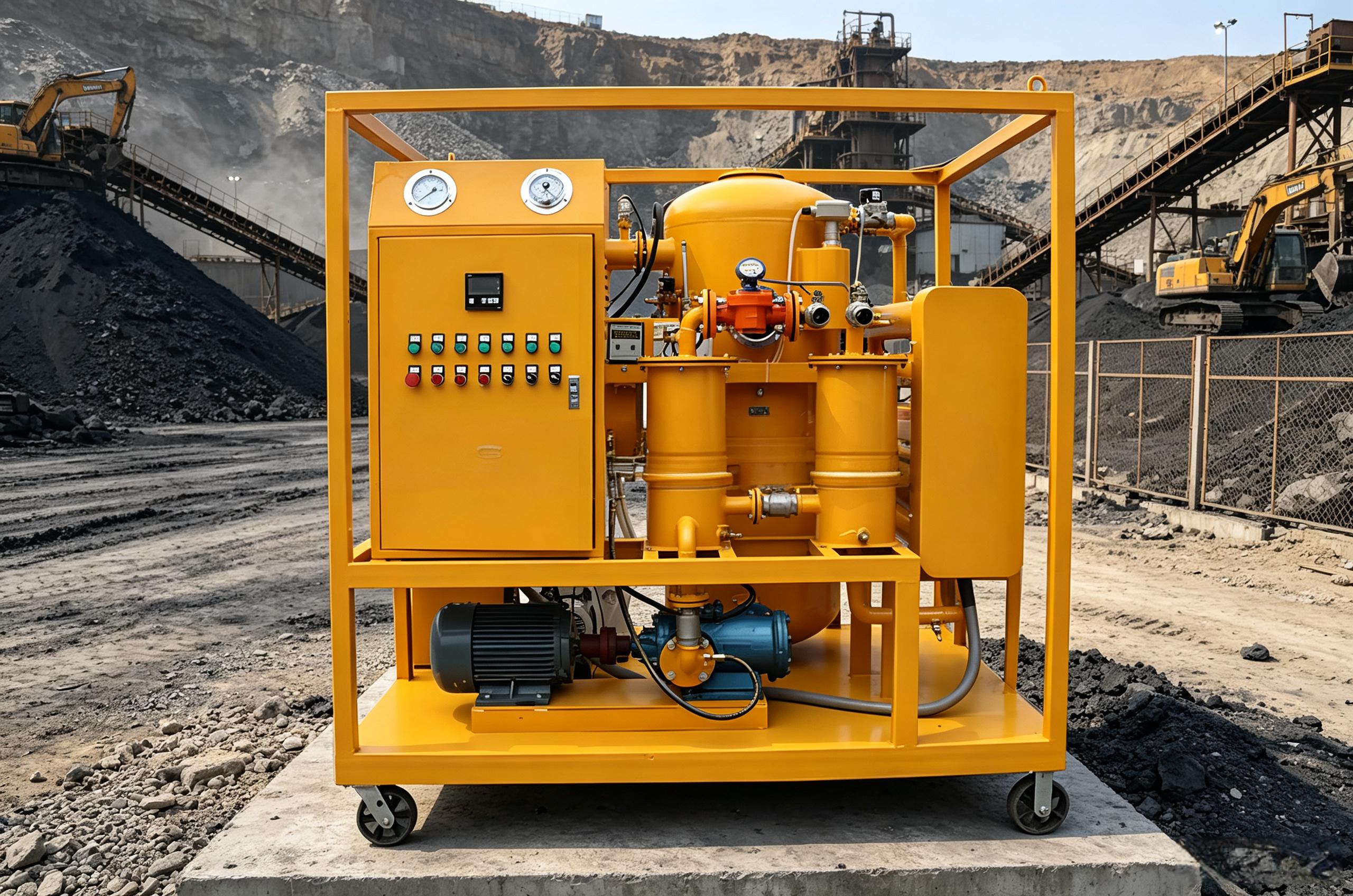
Explosion-Proof Oil Purifier Selection Guide: Which Working Conditions Require One?
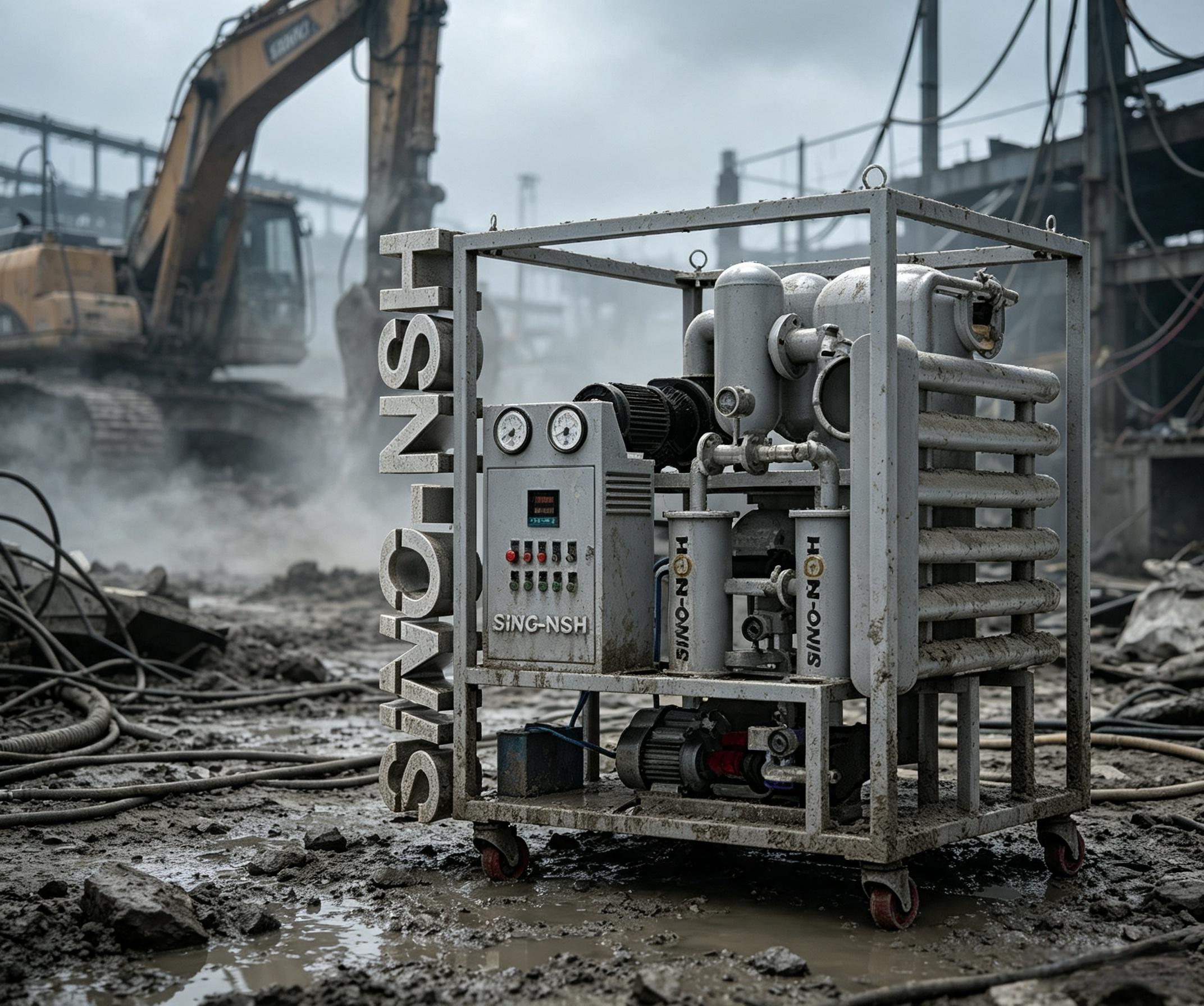
How to Prevent Rapid Lubricating Oil Degradation in Steel Mills
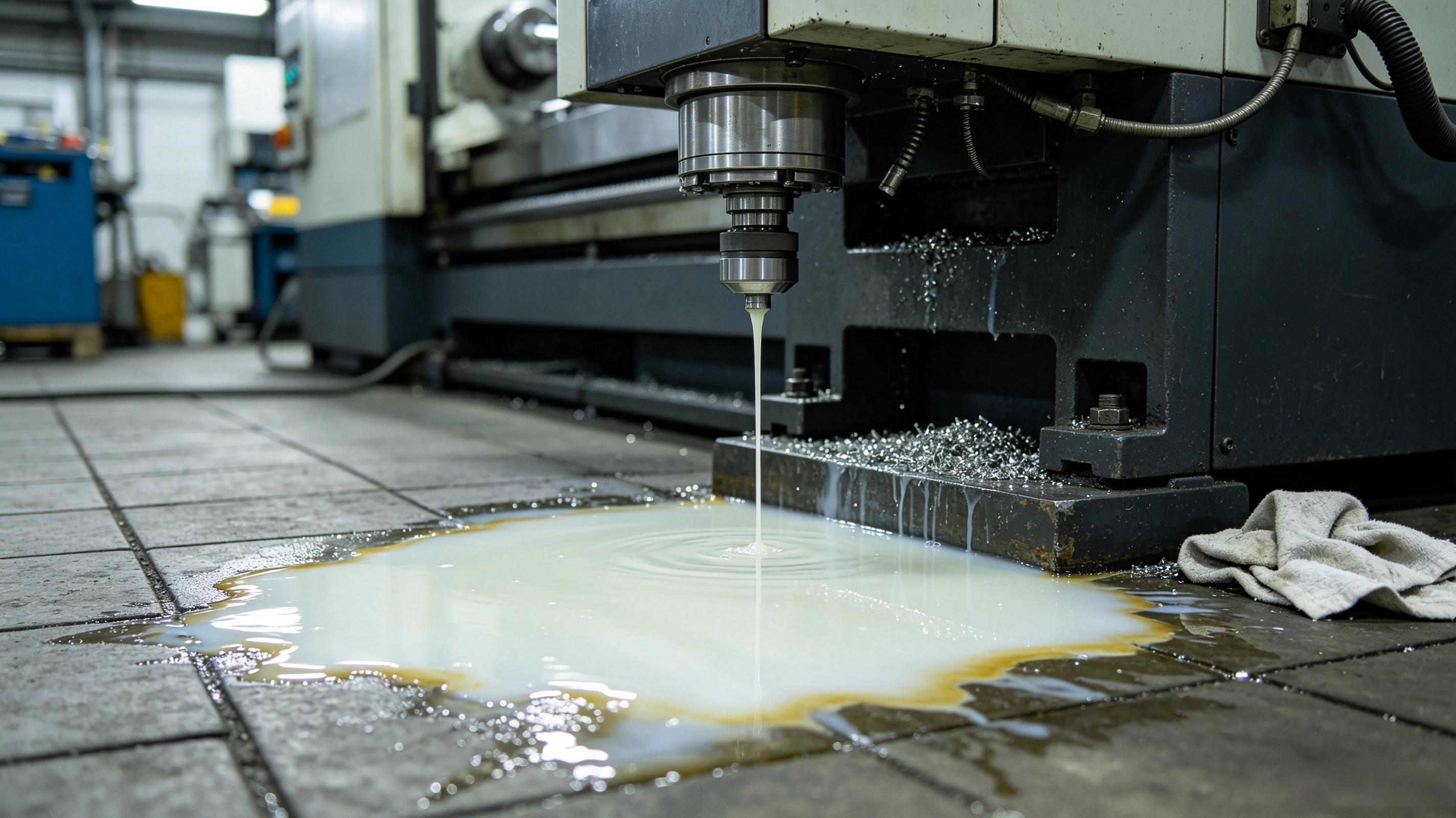
Can an Oil Purifier Remove Acid? Understanding the Limits of Oil Regeneration
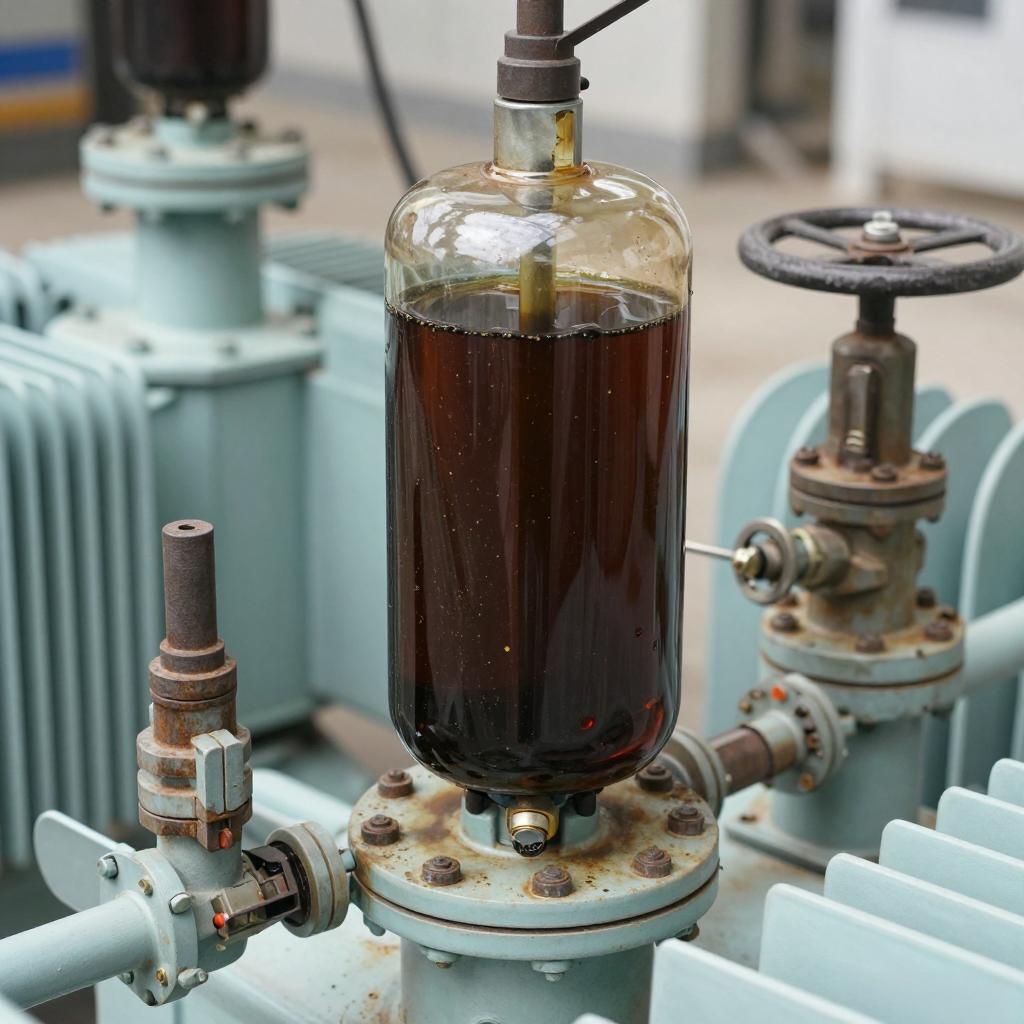
Chemical Industry Oil Purification: How to Choose the Right Oil Purifier
Why Is Coalescing Water Removal More Stable Than Vacuum Dehydration?


