E-mail seo@sino-purification.com

Time:2026-04-24 10:47:55 Reading volume:
In industrial oil maintenance, the correct selection of an oil purifier directly impacts purification efficiency and long-term O&M (Operations & Maintenance) costs. The systematic matching of three key parameters—Flow Rate, Tank Capacity, and Processing Cycle—is the most critical phase of equipment selection.
This guide provides a clear, engineering-based methodology for selecting the right unit for your specific application.
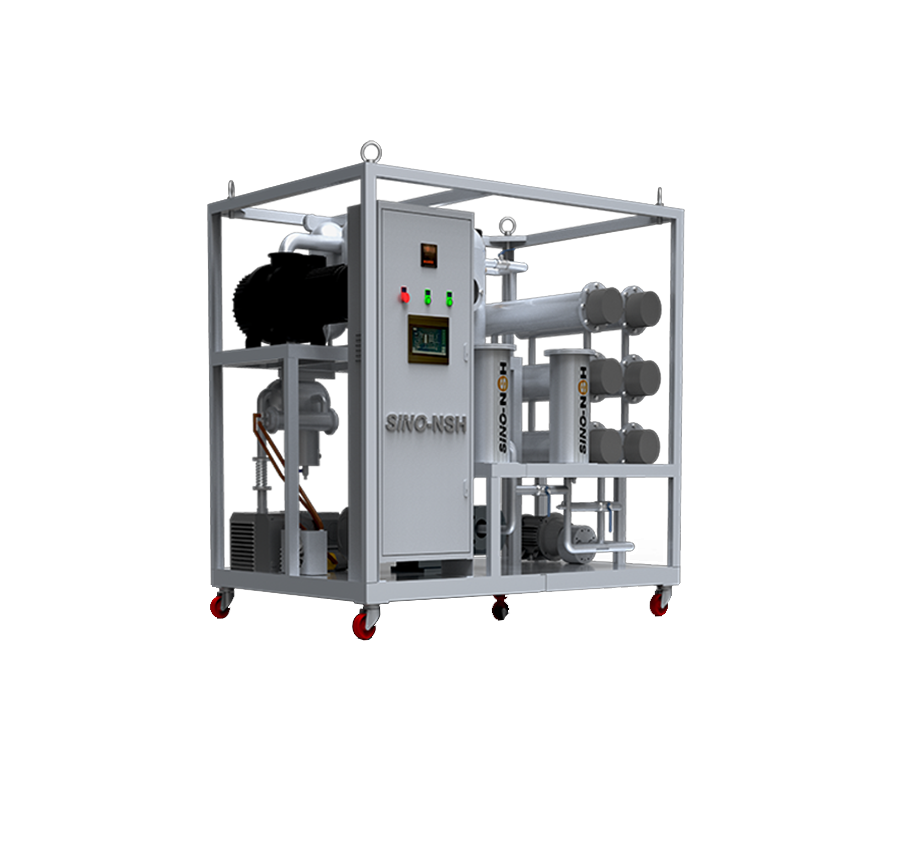
Before starting the calculation, confirm the following data points:
| Parameter | Description | Example |
| Total Oil Volume (V) | The total amount of oil requiring purification. | 10,000 Liters |
| Desired Lead Time (T) | The number of days allowed to complete the task. | 2 Days |
| Daily Runtime (H) | Actual working hours the equipment runs per day. | 8 Hours |
Flow rate is the primary performance indicator of an oil purifier, typically measured in Liters per Hour (L/h).
Flow rate alone isn't enough. To ensure high cleanliness, oil must pass through the filters multiple times. Industry experience suggests an ideal range of 3 to 5 cycles per hour.
This helps determine the reasonable Single-Batch Processing Volume (the capacity of the tank being treated):
Formula:
Ideal Tank Capacity = (Flow Rate / 5) + (Flow Rate / 3)
Example Calculation:
Flow Rate: 600 L/h
600 ÷ 5 = 120 L
600 ÷ 3 = 200 L
Conclusion: For a 600 L/h unit, the batch tank capacity should ideally be between 120 and 200 Liters.
Note: This refers to the volume of oil being processed in a specific stage, which could be the existing system reservoir or a temporary intermediate tank.
A common mistake is assuming "Total Volume ÷ Flow Rate = Total Time." Because oil requires multiple passes to reach target ISO cleanliness levels, the actual time is often 2 to 3 times the theoretical value。
Formula:
Actual Processing Time = (Total Oil Volume / Flow Rate) × Redundancy Factor
Redundancy Factor: 2.0–2.5 (Normal contamination)
High Contamination/Water: 3.0 or higher
Example Calculation:
Total Volume: 5,000 L
Flow Rate: 600 L/h
Redundancy Factor: 2.5
(5,000 ÷ 600) × 2.5 ≈ 20.8 Hours
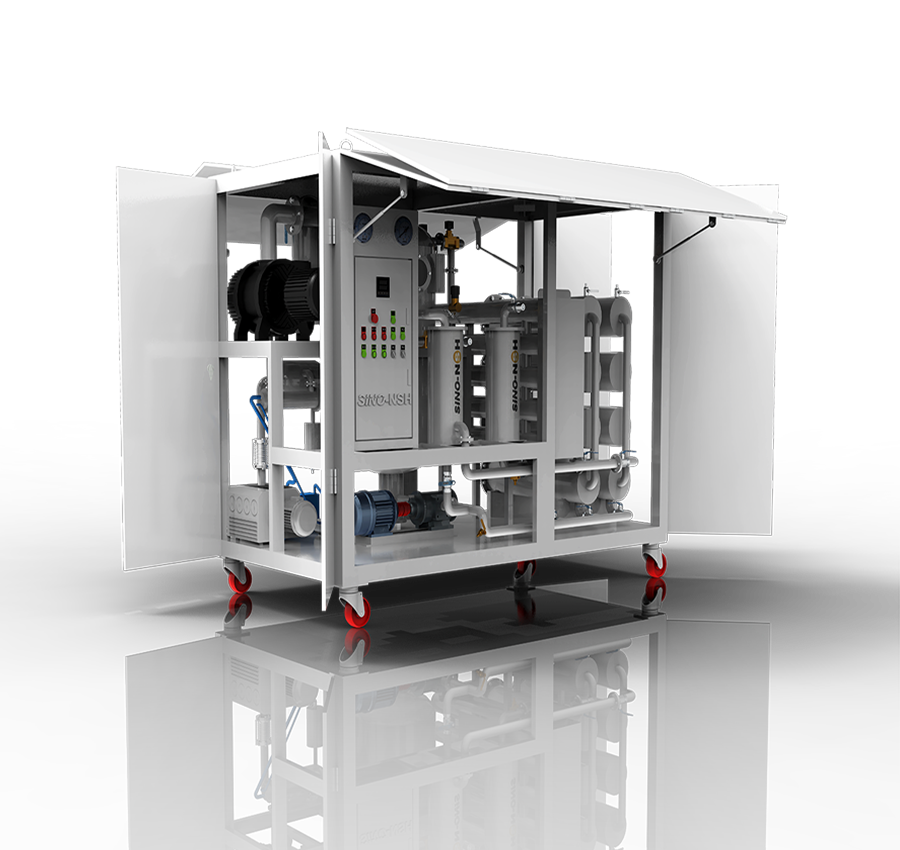
For rapid reference, use the table below for typical industrial scenarios:
| Application Scenario | Total Oil Volume (tons) | Recommended Flow Rate (L/h) | Recommended Tank Capacity (L) | Estimated Time (hours) |
| Hydraulic Oil (One-time) | 1 | 300 | 60–100 | 2–3 |
| Hydraulic Oil (One-time) | 5 | 600 | 120–200 | 5–8 |
| Online Bypass Filtration | – | ≥ 1/3 of Main Pump Flow | 50–100 (Buffer) | Continuous |
| Transformer Oil (Vacuum) | 10 | 1/3 of Nominal Value | As Required | 8–12 |
| High Viscosity Gear Oil | 2 | 0.6 × Nominal Value | 100–150 | 4–6 |
Adjustment based on viscosity or vacuum dehydration efficiency.
Actual field conditions are more complex than theoretical math. Consider these "Capacity Derating" factors:
| Factor | Impact on Selection | Engineering Suggestion |
| Oil Viscosity | High viscosity reduces flow mobility. | Derate nominal flow to 50–70%; use units with heaters. |
| Initial Contamination | Excessive water or PPM levels prolong cycles. | Increase Redundancy Factor to 3.0+ or use dedicated dehydrators. |
| Continuous Operation | 24/7 duty cycles require higher durability. | select industrial-grade units with auto-drain and backwash features. |
| Tank Independence | If no independent tank, the system reservoir is used. | Re-verify if the flow rate matches the existing reservoir volume. |
Define Processing Window: Determine allowed days and daily runtime.
Calculate Min. Flow Rate: Use Q_min = V ÷ (T × H).
Verify Tank Compatibility: Match batch volume to 1/3 or 1/5 of flow rate.
Forecast Actual Time: Apply the 2.0–2.5 redundancy factor to your schedule.
Adjust for Oil Type: Scale up the equipment size for high-viscosity or high-contamination fluids.
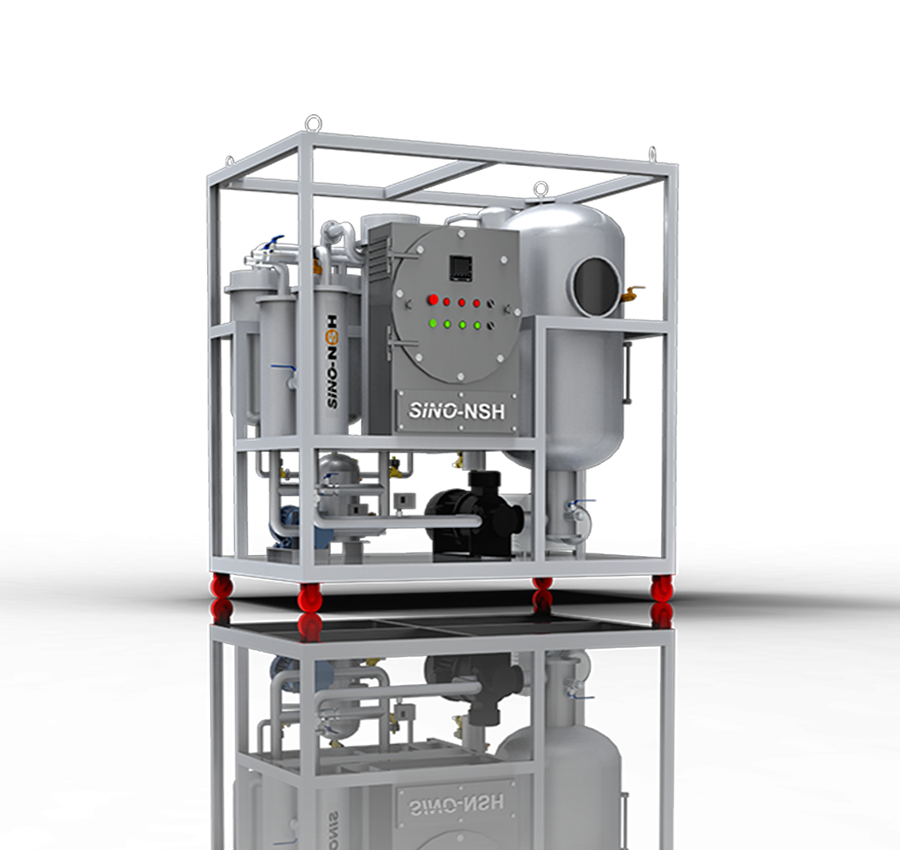
Expert Advice: Selecting the right oil purifier involves several variables. If you have your Oil Type, Total Volume, and Required Lead Time ready, contact our technical team for a precision matching proposal.
Explosion-Proof Oil Purifier Selection Guide: Which Working Conditions Require One?
How to Prevent Rapid Lubricating Oil Degradation in Steel Mills
Can an Oil Purifier Remove Acid? Understanding the Limits of Oil Regeneration
Chemical Industry Oil Purification: How to Choose the Right Oil Purifier
Why Is Coalescing Water Removal More Stable Than Vacuum Dehydration?


