E-mail seo@sino-purification.com

Time:2026-04-20 13:17:51 Reading volume:
The service life of an industrial transformer oil purifier typically ranges from 10 to 15 years. However, by investing in high-grade components—such as stainless steel chambers and premium vacuum pump groups—and adhering to IEC 60422 maintenance standards, high-end units can remain operational for over 20 years.
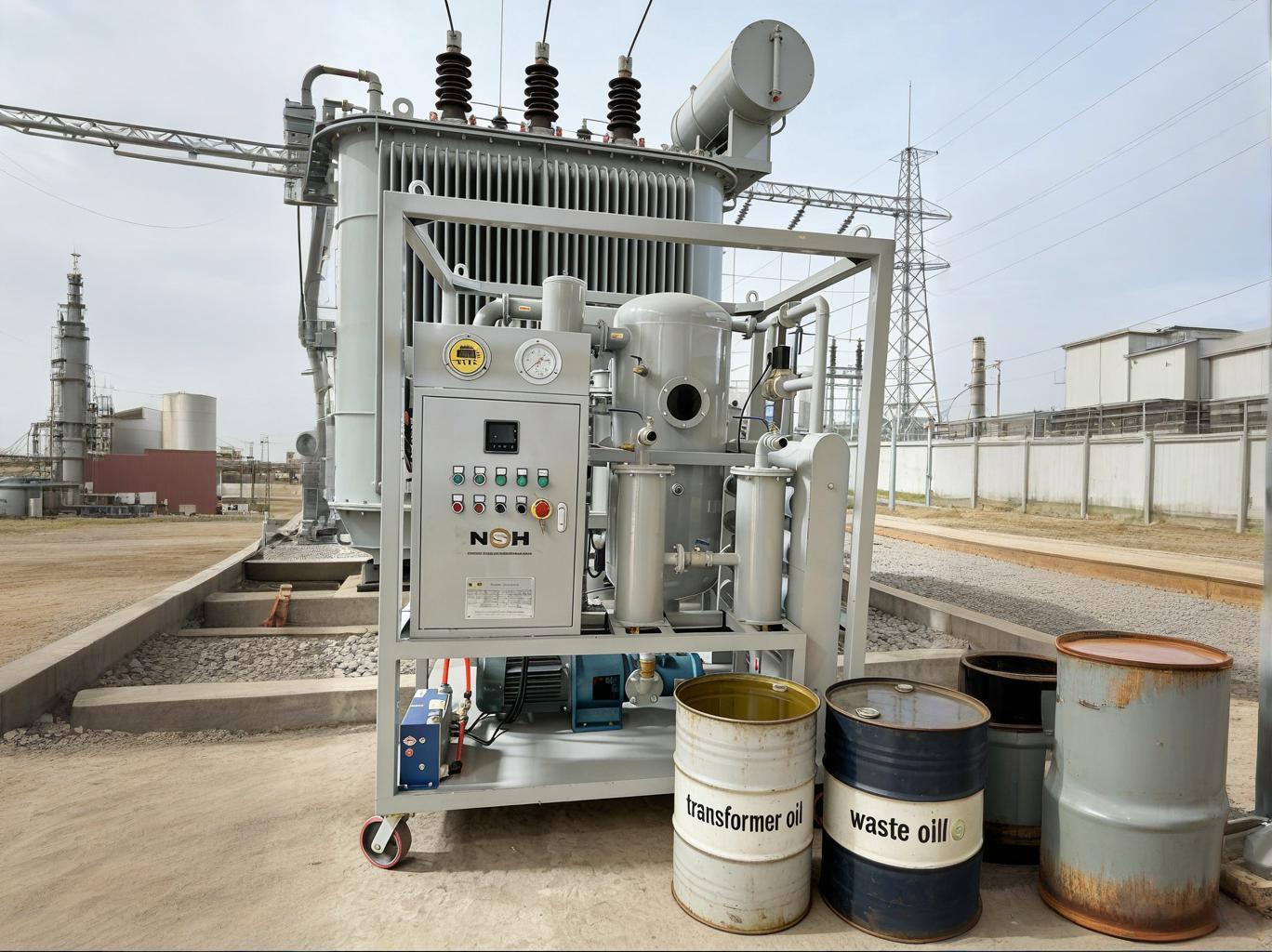
To rank as an authority in the industrial sector, it is vital to look beyond the surface. In 2026, Google prioritizes content that explains the mechanics of durability.
Vacuum System Integrity: Over years of thermal cycling, inferior vacuum chambers may develop micro-fissures at weld points. Systems utilizing a Two-stage Vacuum Design not only achieve deeper degasification (reaching vacuum levels below $0.095\text{ MPa}$) but also distribute the workload across pump groups, reducing mechanical fatigue.
Pump Resilience & Cavitation Resistance: The oil pump is often the first major component to fail. High-performance Internal Gear Pumps or specialized screw pumps offer superior resistance to cavitation compared to standard vane pumps, extending the maintenance interval by up to 40%.
Smart Control Protection: Modern units must feature PLC-integrated protection. Automated shutdowns during overpressure, low oil flow, or overheating prevent catastrophic motor and heater failures, which are the leading causes of premature equipment decommissioning.
Based on global B2B field data, the lifespan of a purifier is directly correlated with its material and component specifications:
| Equipment Category | Core Specifications | Expected Lifespan | Primary Risk Factors |
| Standard Grade | Carbon Steel / Standard Pumps | 8 – 10 Years | Internal corrosion, seal degradation |
| Heavy-Duty Grade | SUS304 Stainless / Premium Pumps | 15 – 20 Years | Electrical component aging |
| Industrial / Custom | Explosion-proof / Smart PLC | 20+ Years | Higher specialized maintenance costs |
To ensure your investment lasts two decades, follow these professional maintenance protocols:
Proactive Filtration Logic: Do not wait for a pressure alarm. Implement a time-based replacement schedule for fine filter cartridges. This prevents micro-particles from entering the pump's precision gears, which causes internal abrasion.
Vacuum Pump Oil Management: When processing oil with high moisture content, vacuum pump oil can quickly emulsify. Inspect oil color every 500–1,000 operating hours. If it appears milky or cloudy, replace it immediately to protect the pump seals.
Annual Thermal & Electrical Audits: Tighten all AC contactor terminals annually. Loose connections lead to overheating and arcing, which can destroy the control cabinet—a costly repair that often forces companies to retire older machines.
The "40% Rule" applies: if a single repair cost exceeds 40% of the price of a new machine, or if the vacuum system can no longer meet the breakdown voltage requirements for EHV (Extra High Voltage) oil, it is time for a technical upgrade.
A purifier installed in a climate-controlled indoor substation will naturally outlast a mobile unit used for field service in high-humidity or coastal (salty) environments. For outdoor use, always specify Weatherproof Enclosures to prevent external rust and UV damage to hoses and seals.
The Strategic Value of Longevity
Investing in a transformer oil purifier is not merely a capital expenditure; it is a long-term strategy to safeguard your power grid's most expensive assets. While the industry average lifespan is 10 to 15 years, the difference between a machine that fails at year 8 and one that thrives at year 20 lies in the synergy between build quality and technical discipline.
As transformer voltages increase and global energy demands tighten, the precision of your oil treatment becomes critical. A well-maintained, high-spec purifier does more than just remove water and gas—它 represents a reliable insurance policy against unexpected power outages and costly transformer replacements.
Before finalizing your purchase or evaluating your current fleet, use this checklist to ensure maximum equipment life:
[1] Material Check: Are the vacuum chamber and internal piping made of corrosion-resistant stainless steel?
[2] Seal Integrity: Does the unit use Viton or high-grade Fluorine rubber seals to withstand long-term high-temperature oil exposure?
[3] Automation: Is the system equipped with an infrared liquid level controller and automatic foam sensor to prevent oil from entering the vacuum pump?
[4] Heating Load: Are the heaters designed with a surface load below $1.5\text{ W/cm}^2$ to prevent oil cracking and carbon deposits?
[5] Compliance: Does the manufacturer provide a detailed maintenance schedule aligned with IEEE or IEC standards?
Our engineering team specializes in high-performance vacuum systems designed for the rigors of the Middle East and Southeast Asian industrial markets. Whether you are looking to upgrade an aging station or require a custom-built solution for EHV transformers, we provide the technical expertise to ensure your equipment serves you for decades.
Explosion-Proof Oil Purifier Selection Guide: Which Working Conditions Require One?
How to Prevent Rapid Lubricating Oil Degradation in Steel Mills
Can an Oil Purifier Remove Acid? Understanding the Limits of Oil Regeneration
Chemical Industry Oil Purification: How to Choose the Right Oil Purifier
Why Is Coalescing Water Removal More Stable Than Vacuum Dehydration?


