E-mail seo@sino-purification.com

Time:2026-02-25 14:52:58 Reading volume:
Transformer sludge is the leading cause of cooling failure and insulation breakdown in high-voltage equipment. Understanding the chemical triggers of sludge formation is critical for asset managers and maintenance engineers aiming to extend the life of power transformers.
In this guide, we break down the chemical mechanisms, catalytic factors, and diagnostic thresholds for transformer oil degradation.
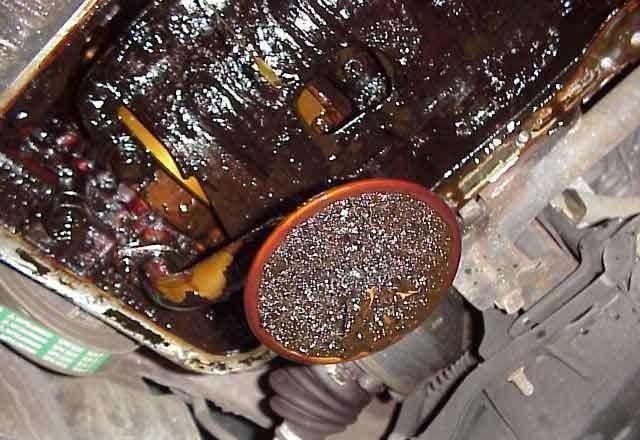
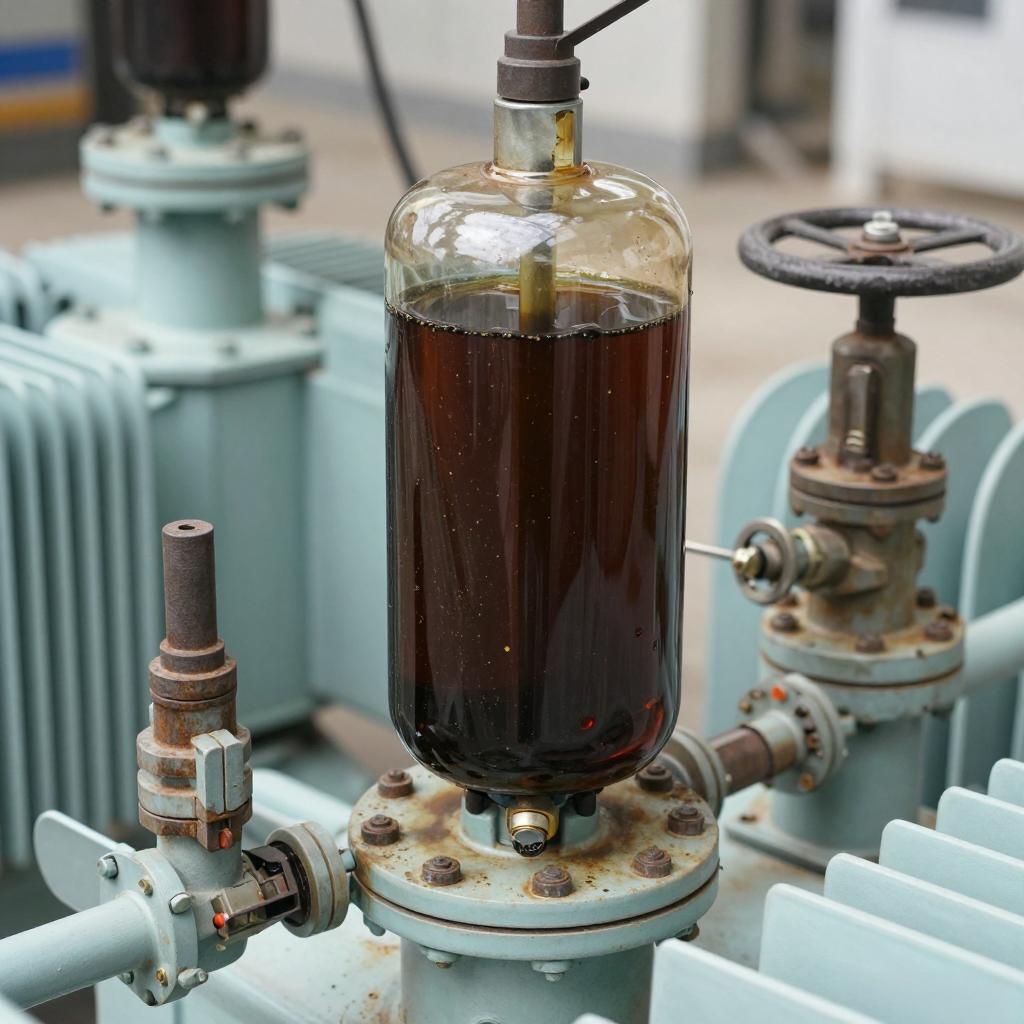
Transformer sludge is a solid, acidic byproduct resulting from the chemical degradation of mineral insulating oil. It typically appears as a dark, viscous precipitate that settles on windings, cooling ducts, and at the bottom of the tank.
The primary driver of sludge is oxidation. When mineral oil is exposed to oxygen—either through leaky gaskets, atmospheric breathing, or moisture ingress—a complex chemical chain reaction occurs:
Initiation: Hydrocarbon molecules react with oxygen to form hydroperoxides.
Acid Formation: These peroxides decompose into alcohols, aldehydes, and organic carboxylic acids.
Polymerization: Under sustained thermal stress, these acidic compounds link together (polymerize) into heavy, high-molecular-weight molecules.
Precipitation: Once the oil reaches its saturation point, these heavy molecules precipitate out as insoluble sludge.
Several factors act as "accelerants," turning a slow degradation process into a rapid failure risk.
Heat is the most significant catalyst. According to the Arrhenius Law, the rate of chemical oxidation in transformer oil approximately doubles for every 8°C to 10°C increase in operating temperature. Persistent overloading is a direct ticket to sludge accumulation.
The very materials that make up a transformer—copper windings and silicon steel cores—act as catalysts.
Soluble copper reacts with organic acids to form metallic soaps.
These soaps significantly lower the activation energy required for oxidation, speeding up the transition from liquid oil to solid sludge.
Moisture accelerates the "depolymerization" of the paper insulation. As the paper breaks down, it releases water and glucose, which combine with oxidized oil to form a sticky, conductive mass.
Ignoring sludge formation leads to a "vicious cycle" of failure:
Thermal Insulation: Sludge coats cooling fins, acting as a thermal blanket that prevents heat dissipation.
Dielectric Failure: Sludge is hygroscopic (water-attracting). It holds moisture against the windings, drastically reducing the dielectric strength and increasing the risk of internal arcing.
To prevent catastrophic failure, maintenance teams should monitor these four key parameters based on ASTM standards:
| Parameter | Standard | Threshold (Warning) | Technical Significance |
| Neutralization Number (NN) | ASTM D974 | > 0.20 mg KOH/g | High acidity indicates imminent sludge precipitation. |
| Interfacial Tension (IFT) | ASTM D971 | < 25 mN/m | Low IFT indicates a high concentration of polar contaminants. |
| Color Number | ASTM D1500 | > 4.0 | Rapid darkening suggests heavy carbon and sludge presence. |
| Dielectric Strength | ASTM D877 | < 30 kV | Indicates the oil's ability to withstand electrical stress. |
The most effective way to prevent sludge is through proactive oil management. This includes maintaining airtight seals, ensuring silica gel breathers are functional, and performing regular Dissolved Gas Analysis (DGA) and oil quality testing.
Explosion-Proof Oil Purifier Selection Guide: Which Working Conditions Require One?
How to Prevent Rapid Lubricating Oil Degradation in Steel Mills
Can an Oil Purifier Remove Acid? Understanding the Limits of Oil Regeneration
Chemical Industry Oil Purification: How to Choose the Right Oil Purifier
Why Is Coalescing Water Removal More Stable Than Vacuum Dehydration?


