E-mail seo@sino-purification.com

Time:2026-04-09 13:53:08 Reading volume:
When managing high-voltage equipment, it is common to hear Testing and Filtration mentioned in the same breath. While they are two halves of a complete maintenance cycle, they serve entirely different purposes: one is the diagnosis, and the other is the treatment.
Here is a detailed breakdown of the differences between Transformer Oil Testing and Filtration to help clarify their roles in power system stability.
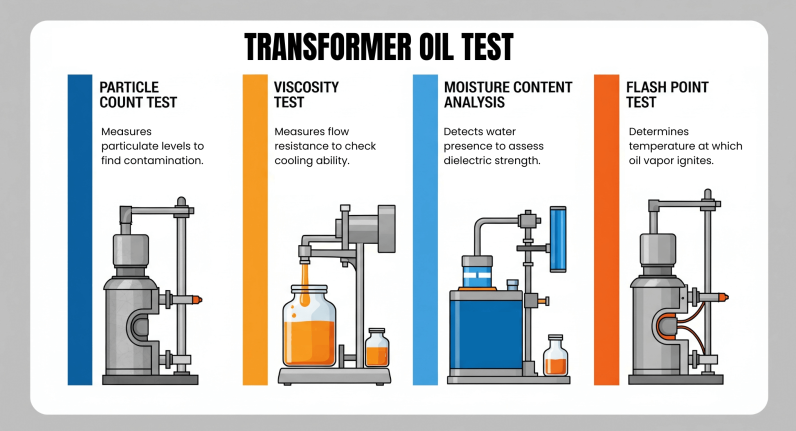
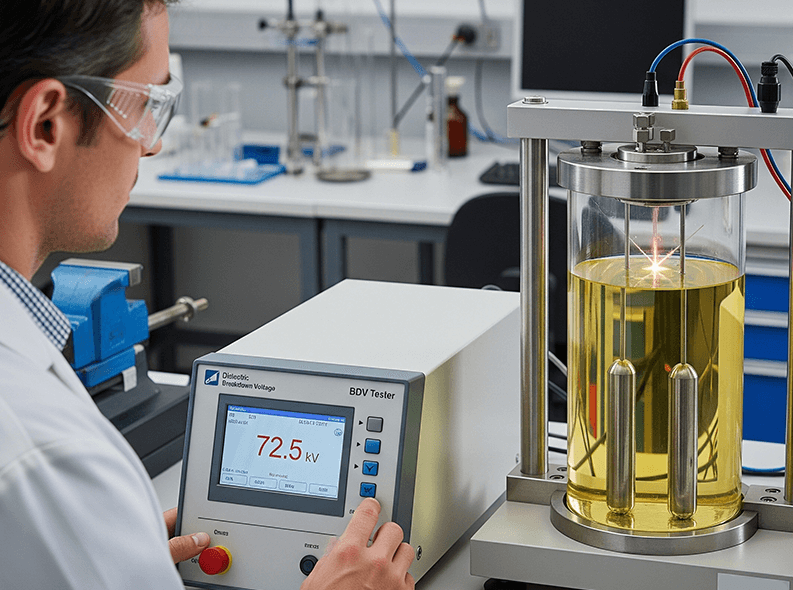
Testing is the analytical process of evaluating the oil's current condition. Think of it as a "blood test" for your transformer. It doesn't fix the oil; it tells you if something is wrong.
Assess Dielectric Strength: Determining if the oil can still act as an effective insulator.
Identify Internal Faults: Analyzing gases (DGA) to detect overheating or arcing inside the transformer.
Predict Life Expectancy: Measuring acidity and sludge levels to see if the paper insulation is degrading.
Breakdown Voltage (BDV): Measured in kV, this tests the oil's ability to withstand electric stress.
Water Content (PPM): Measures moisture in parts per million. High moisture drastically lowers BDV.
Dissolved Gas Analysis (DGA): Detects gases like Acetylene or Hydrogen, which signal internal mechanical or electrical issues.
Interfacial Tension (IFT): Indicates the presence of polar contaminants and sludge.
Filtration is the mechanical and physical process of cleaning the oil. If testing reveals that the oil is contaminated, filtration is the "surgery" or "dialysis" used to restore its properties.
Dehydration: Removing dissolved and free water.
Degassing: Removing trapped air and combustible gases.
Particulate Removal: Filtering out carbon, dust, and metallic fibers.
Acidity Correction: Using Fuller's Earth (in "Regeneration" setups) to remove acids and sludge.
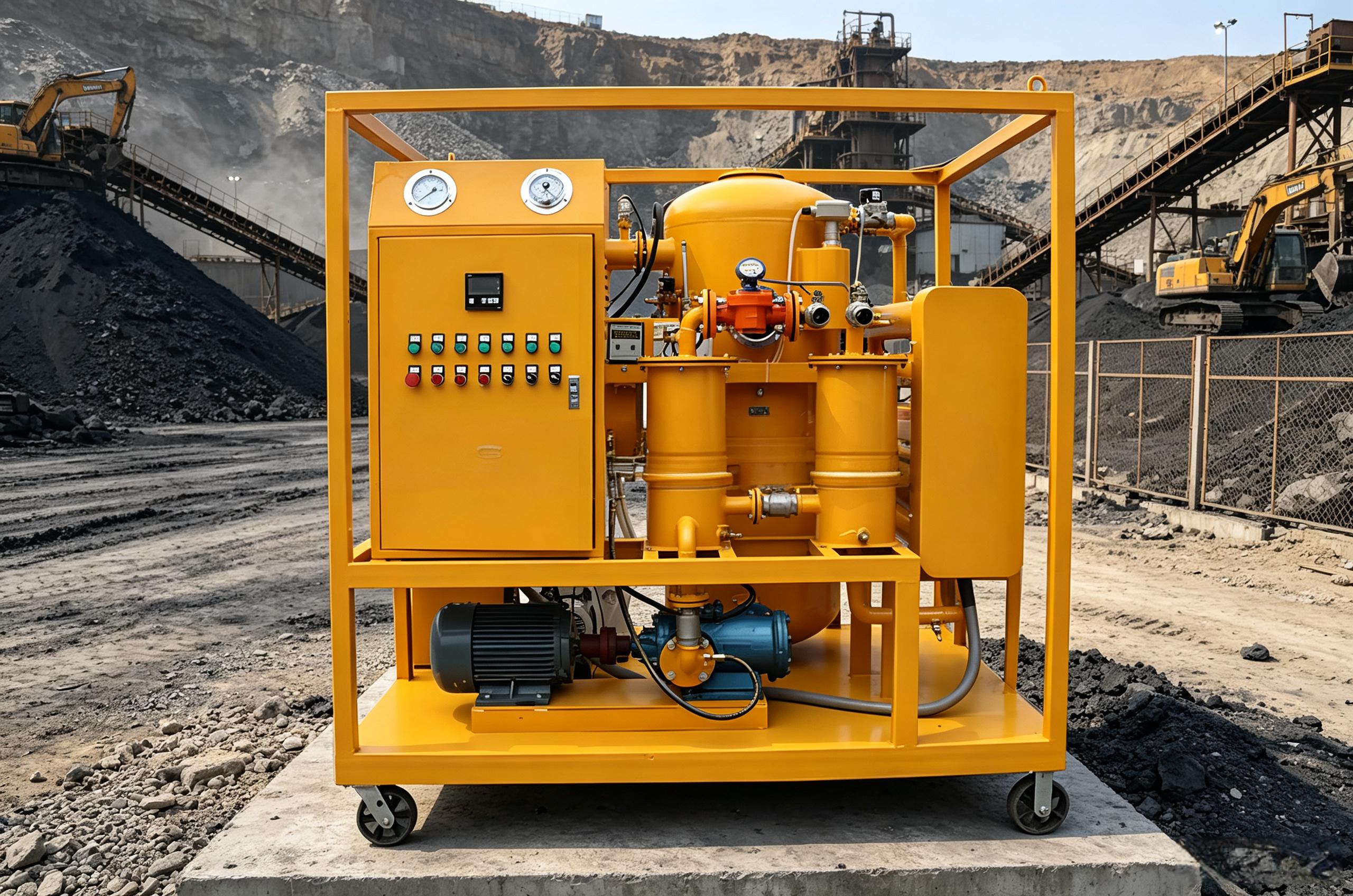
High-performance filtration typically uses a Double-Stage Vacuum Purifier:
Heating: The oil is heated to roughly 60°C - 70°C to lower its viscosity and facilitate moisture release.
Particulate Filtration: Oil passes through fine filters (often down to 1μm).
Vacuum Degassing: The oil is sprayed into a vacuum chamber. Because water and gas have lower boiling points under vacuum, they "flash off" and are sucked out by the vacuum pump.
| Feature | Oil Testing | Oil Filtration |
| Nature | Analytical / Diagnostic | Mechanical / Restorative |
| Goal | To know the oil's health | To improve the oil's health |
| Equipment | Lab instruments (BDV testers, Karl Fischer titrators) | Vacuum Oil Purifier machines |
| Frequency | Periodic (e.g., every 6–12 months) | When test results fall below standards |
| Outcome | A technical report | Clean, dry, and high-BDV oil |
One cannot effectively exist without the other in a professional maintenance program:
Filter without Testing? You are working blindly. You might be filtering oil that is actually chemically "dead" (highly acidic), which standard filtration can't fix—meaning you’ve wasted time and energy.
Test without Filtering? You are simply watching your transformer fail. Testing identifies a "high water content" or "low BDV" emergency; filtration is the action that prevents the imminent explosion or short circuit.
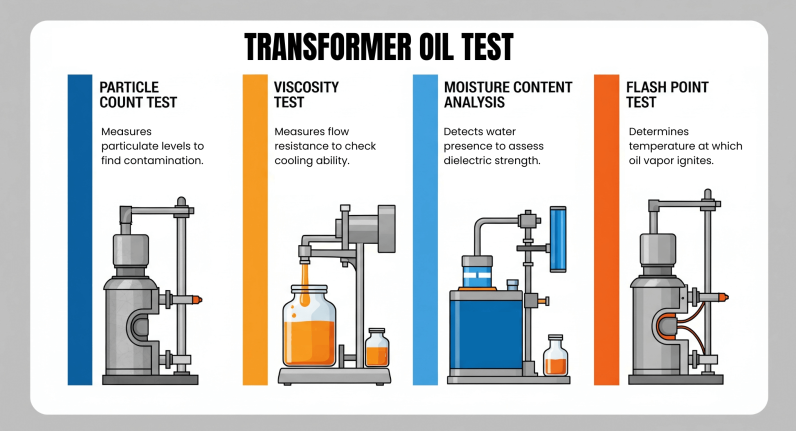
Summary for Website Readers
For optimal transformer longevity, Testing provides the data-driven "When" and "Why," while Filtration provides the "How" to keep the lights on. Always ensure your oil meets IEC 60296 or IEEE standards through regular testing before deploying a purification unit.
Does this breakdown fit the depth you were looking for, or should we dive deeper into specific filtration technologies like "Regeneration" vs. "Purification"?
Explosion-Proof Oil Purifier Selection Guide: Which Working Conditions Require One?
How to Prevent Rapid Lubricating Oil Degradation in Steel Mills
Can an Oil Purifier Remove Acid? Understanding the Limits of Oil Regeneration
Chemical Industry Oil Purification: How to Choose the Right Oil Purifier
Why Is Coalescing Water Removal More Stable Than Vacuum Dehydration?


