E-mail seo@sino-purification.com

Time:2026-04-08 11:26:39 Reading volume:
Selecting the right oil purifier manufacturer is not just a purchasing decision—it directly impacts equipment lifespan, operational efficiency, and maintenance costs.
Many buyers focus too much on price, but in 2026, the market trend clearly favors high-performance, reliable, and intelligent purification systems.
This guide outlines the key factors you must evaluate before choosing a supplier.
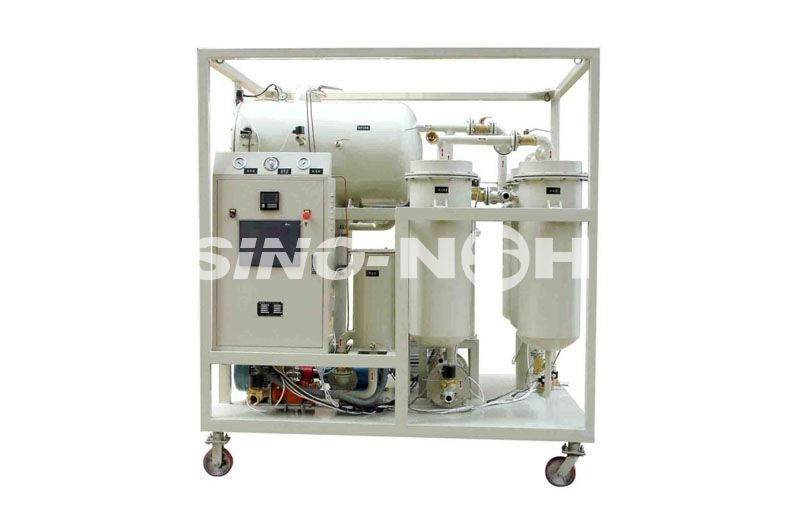
The most critical factor is the manufacturer’s engineering strength and purification technology.
A reliable supplier should offer:
High-vacuum dehydration and degassing systems
Multi-stage precision filtration (micron-level)
PLC-based intelligent control systems
Always request technical specifications and real test reports, not just product catalogs.
The primary purpose of an oil purifier is to remove:
Moisture
Dissolved gases
Solid contaminants
Key performance indicators include:
Filtration accuracy (micron rating)
Filtration efficiency (Beta ratio)
Water removal rate
Clear, verifiable data is a sign of a trustworthy manufacturer.
Ensure the manufacturer meets international standards such as:
ISO 9001 (Quality Management)
CE Certification (Safety Compliance)
IEC Standards (for transformer applications)
These certifications ensure consistent quality and global usability.
A strong manufacturer should have:
Advanced production equipment (CNC machining, automated welding)
In-house testing facilities
Standardized production processes
This ensures stable quality and reliable delivery.
The durability of an oil purifier depends on its components:
Vacuum pumps
Motors and electrical systems
Filter elements
High-quality manufacturers use industrial-grade or globally recognized components, reducing failure rates and maintenance costs.
Experience reduces risk.
Look for manufacturers with:
Proven track record in power plants, substations, or industrial facilities
Export experience in international markets
Real project references
This shows they understand complex working conditions and oil types.
Different applications require different solutions.
A reliable manufacturer should provide:
Customized flow rates
Application-specific systems (transformer oil, turbine oil, hydraulic oil)
Voltage and frequency adaptation
Mobile or skid-mounted designs
Avoid suppliers offering only standard, one-size-fits-all machines.
Top manufacturers implement strict quality control, including:
Raw material inspection
Performance testing before delivery
Pressure and durability tests
Transparent testing processes ensure long-term reliability.
After-sales service is critical for industrial equipment.
Check whether the manufacturer offers:
Installation and commissioning support
Operator training
Spare parts availability
Fast technical response
Strong support minimizes downtime and protects your investment.
Do not choose based on price alone.
Consider:
Energy consumption
Maintenance frequency
Filter replacement cost
Equipment lifespan
A high-quality oil purifier often delivers lower long-term operating costs.
Before making a decision, confirm:
Do they provide real performance data?
Do they have proven industry cases?
Are their certifications valid and complete?
Can they customize solutions for your needs?
Is their after-sales support reliable?
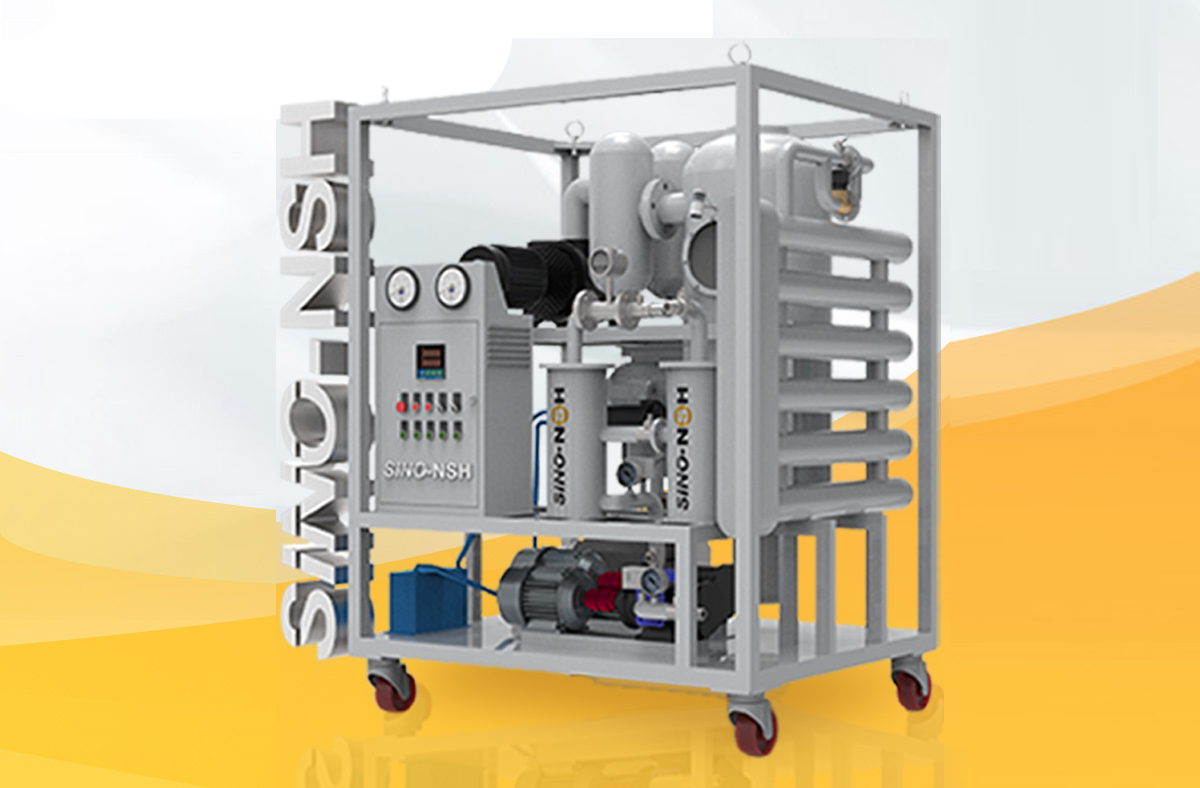
Choosing the right oil purifier manufacturer means prioritizing:
✔ Performance
✔ Reliability
✔ Long-term value
Instead of focusing on upfront cost, invest in a solution that ensures efficient oil purification and stable equipment operation over time.
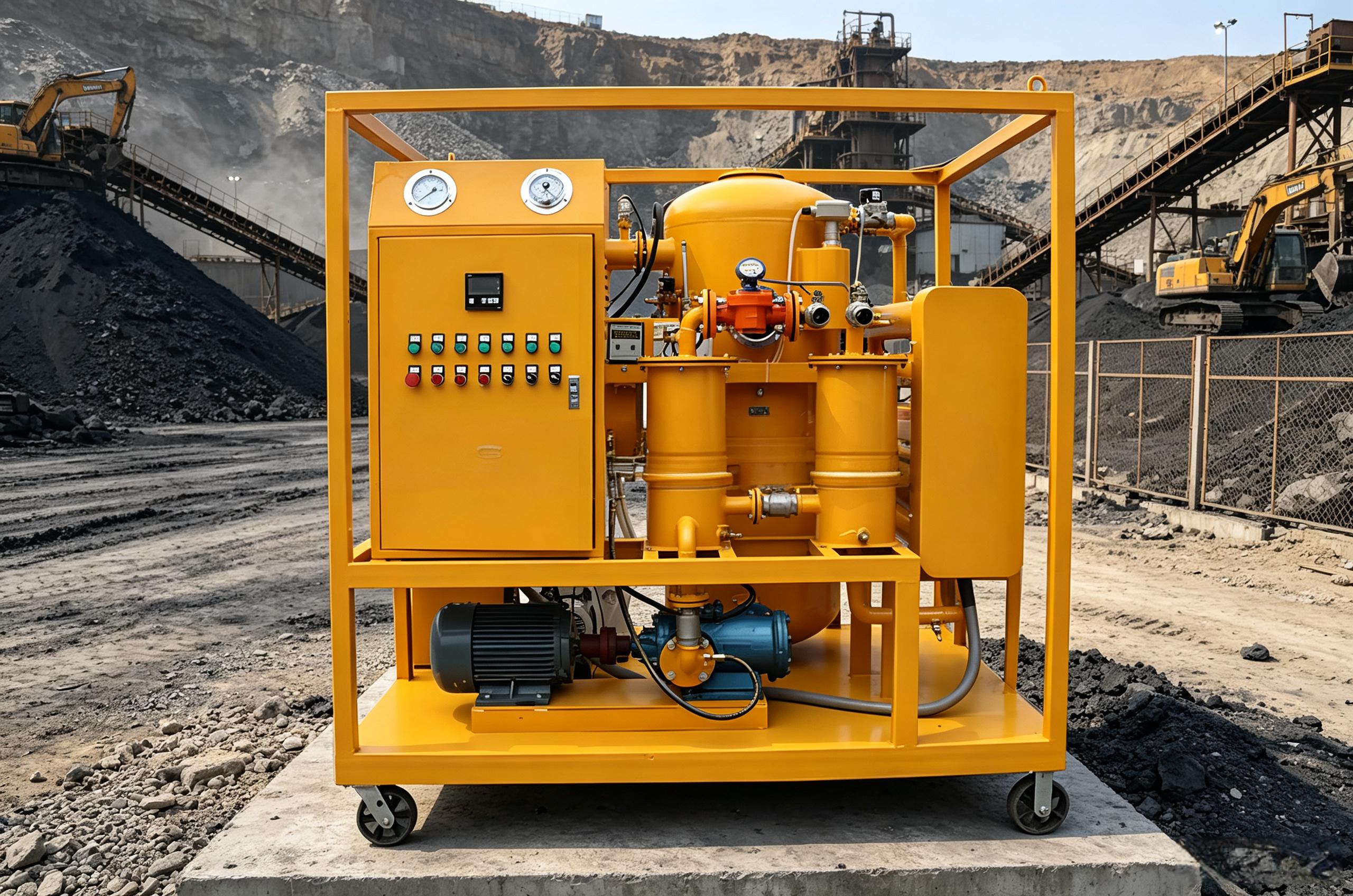
Explosion-Proof Oil Purifier Selection Guide: Which Working Conditions Require One?
How to Prevent Rapid Lubricating Oil Degradation in Steel Mills
Can an Oil Purifier Remove Acid? Understanding the Limits of Oil Regeneration
Chemical Industry Oil Purification: How to Choose the Right Oil Purifier
Why Is Coalescing Water Removal More Stable Than Vacuum Dehydration?


