E-mail seo@sino-purification.com

Time:2026-04-07 13:57:44 Reading volume:
Selecting a transformer oil filtration machine is not about choosing the lowest price—it’s about matching the right solution to your transformer’s voltage level, oil condition, and purification goals.
In 2026, the industry is shifting toward high-precision, intelligent, and deep purification systems. This guide will help you quickly identify the most suitable equipment based on real-world operating needs.
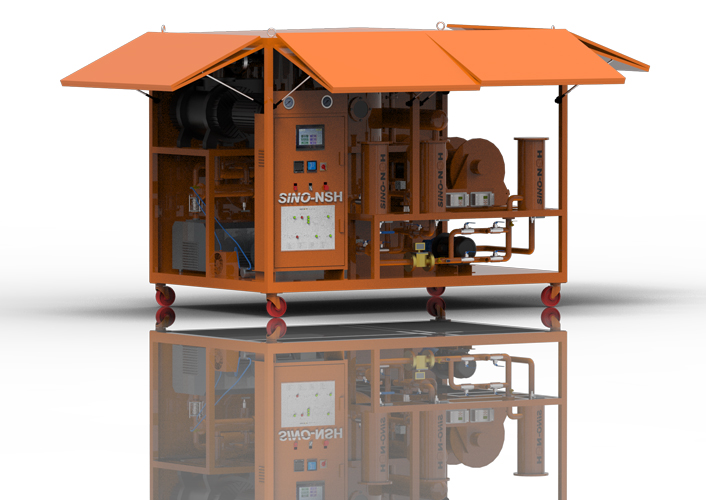
Different contamination problems require completely different filtration technologies. Choosing the wrong type leads to poor performance and higher costs.
| Oil Condition | Key Symptoms | Recommended Solution | Why It Works |
|---|---|---|---|
| Moisture, gas, fine particles | Low BDV, cloudy oil | Two-stage vacuum oil purifier | Removes dissolved water & gas, restores BDV ≥ 65kV |
| Heavy water & large impurities | Emulsified oil, visible contaminants | Centrifuge + vacuum system | Pre-removes bulk contaminants, improves efficiency |
| Aged oil, high acidity | Dark color, odor, high acid value | Vacuum + regeneration system | Adsorption reduces acid & restores oil color |
| Online maintenance needs | Transformer must stay energized | Online oil filtration unit | Enables continuous purification without shutdown |
Once your needs are clear, selecting the correct specifications ensures performance and compliance.
≤ 35kV transformers
→ Single-stage vacuum oil filter (cost-effective for routine maintenance)
≥ 110kV transformers
→ Two-stage vacuum oil filtration system (recommended)
Typical performance targets:
Ultimate vacuum: ≤ 50 Pa
Water content: ≤ 5 ppm
Gas content: ≤ 0.1%
Breakdown voltage: ≥ 65 kV
Choosing the right flow rate avoids inefficiency or unnecessary cost.
| Transformer Size | Oil Volume | Recommended Flow Rate | Reference Model |
|---|---|---|---|
| Small distribution transformers | < 5 tons | 10–50 L/min | ZJB-50 (3000 L/H) |
| Medium (35kV class) | 5–15 tons | 50–100 L/min | ZJB-100 (6000 L/H) |
| Large transformers | > 15 tons | ≥ 100 L/min | ZJB-150 (9000 L/H+) |
Best Practice: Full oil circulation within 2–3 cycles delivers optimal purification.
For power industry applications:
Filtration accuracy: ≤ 5 microns
Cleanliness level: NAS Class 6 or better
This ensures reliable insulation performance and long-term transformer safety.
Beyond specifications, the supplier’s capability directly impacts long-term performance and ROI.
Independent R&D team
Full product range (transformer oil, turbine oil, fire-resistant oil)
Transformer-focused manufacturers offer better process optimization
Proven experience in power utility projects is a major advantage
ISO9001 (quality management)
CE certification (export compliance)
Explosion-proof certification (for hazardous environments)
Power grid companies
Substations
Petrochemical plants
On-site installation & commissioning
Operator training
Spare parts availability
For heavily contaminated oil:
Plate-frame filtration + vacuum purification
Benefits:
Extends filter element life
Reduces operating costs
Improves overall efficiency
High-quality systems should include:
Uniform heating system → Prevents oil carbonization
Automatic protection system → Overpressure, phase loss, anti-dry burning
Intelligent control (PLC) → Improves operational safety
These features significantly impact equipment lifespan and operational stability.
Choosing the right transformer oil filtration machine means aligning:
Transformer voltage level
Oil contamination type
Required purification standard
A properly matched system delivers:
Higher efficiency
Lower long-term costs
Improved transformer reliability
If you can provide:
Transformer voltage level
Oil capacity (tons)
Contamination condition
Budget range
we can help you select the most cost-effective and technically suitable model for your project.
Explosion-Proof Oil Purifier Selection Guide: Which Working Conditions Require One?
How to Prevent Rapid Lubricating Oil Degradation in Steel Mills
Can an Oil Purifier Remove Acid? Understanding the Limits of Oil Regeneration
Chemical Industry Oil Purification: How to Choose the Right Oil Purifier
Why Is Coalescing Water Removal More Stable Than Vacuum Dehydration?


