E-mail seo@sino-purification.com

Time:2025-03-12 10:27:00 Reading volume:
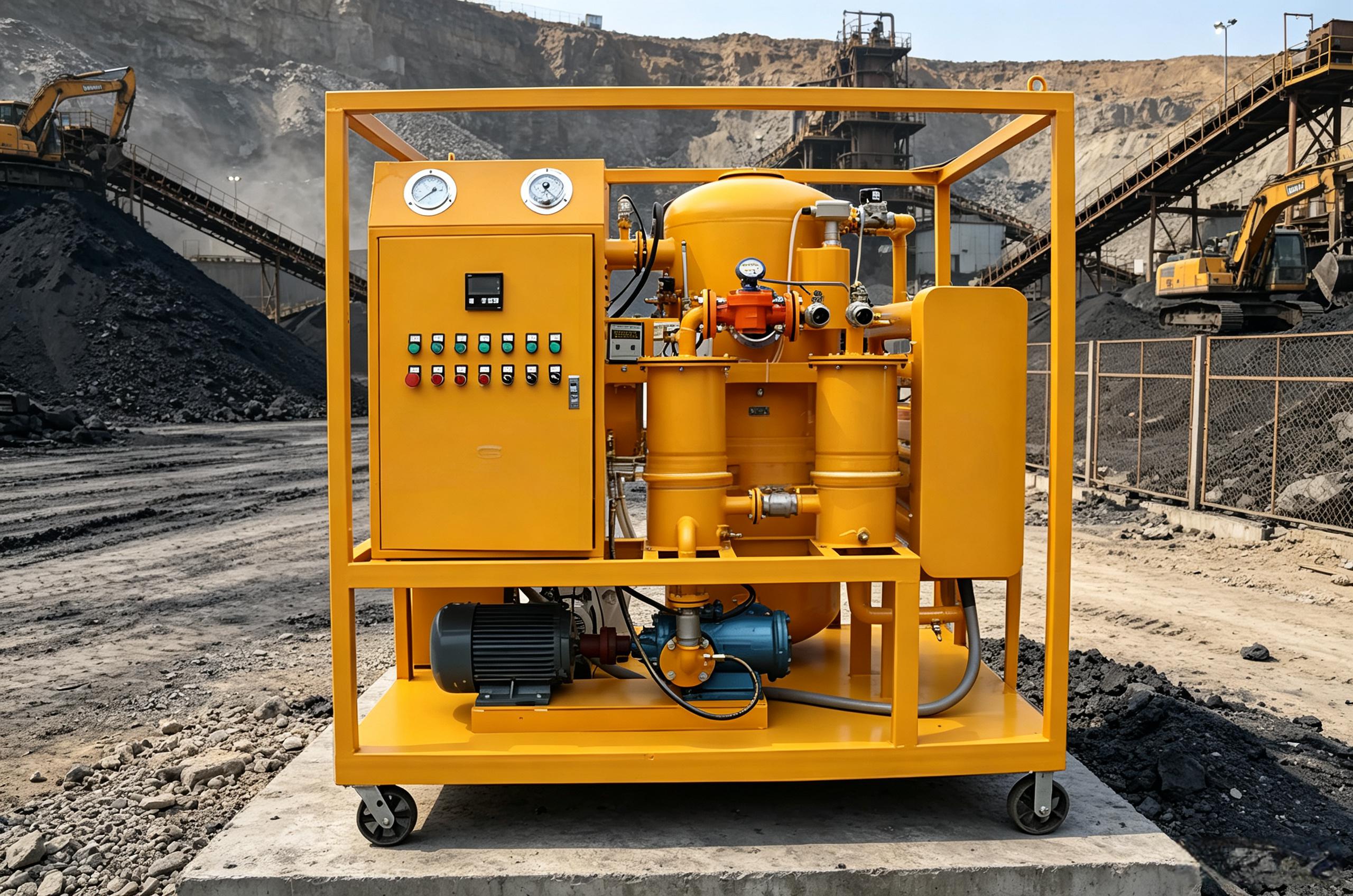
Transformer oil regeneration equipment mainly includes the following types:
- Function: remove moisture, gas and impurities from oil.
- Principle: purify oil through vacuum and filtration system.
- Function: separate solid particles and moisture in oil.
- Principle: use centrifugal force to separate substances of different densities.
- Function: remove acidic substances and oxides from oil.
- Principle: Use adsorbents (such as activated alumina and silica gel) to adsorb harmful substances.
- Function: remove tiny particles and colloidal substances.
- Principle: charge particles through an electrostatic field and adsorb them on electrodes.
- Function: remove dissolved gas from oil.
- Principle: make gas escape from oil through vacuum or heating.
- Function: improve the fluidity of oil for easy handling.
- Principle: Reduce the viscosity of the oil by heating.
- Function: Cool the treated oil to prevent overheating.
- Principle: Reduce the oil temperature through the heat exchanger.
- Function: Monitor and regulate the regeneration process.
- Principle: Automatically control the operating parameters of each device.
- Function: Store the oil to be treated and regenerated.
- Principle: Provide temporary storage space.
- Function: Transport and regulate the oil flow.
- Principle: Control the flow of oil through pipes and valves.
These devices work together to ensure the efficiency and safety of the transformer oil regeneration process.
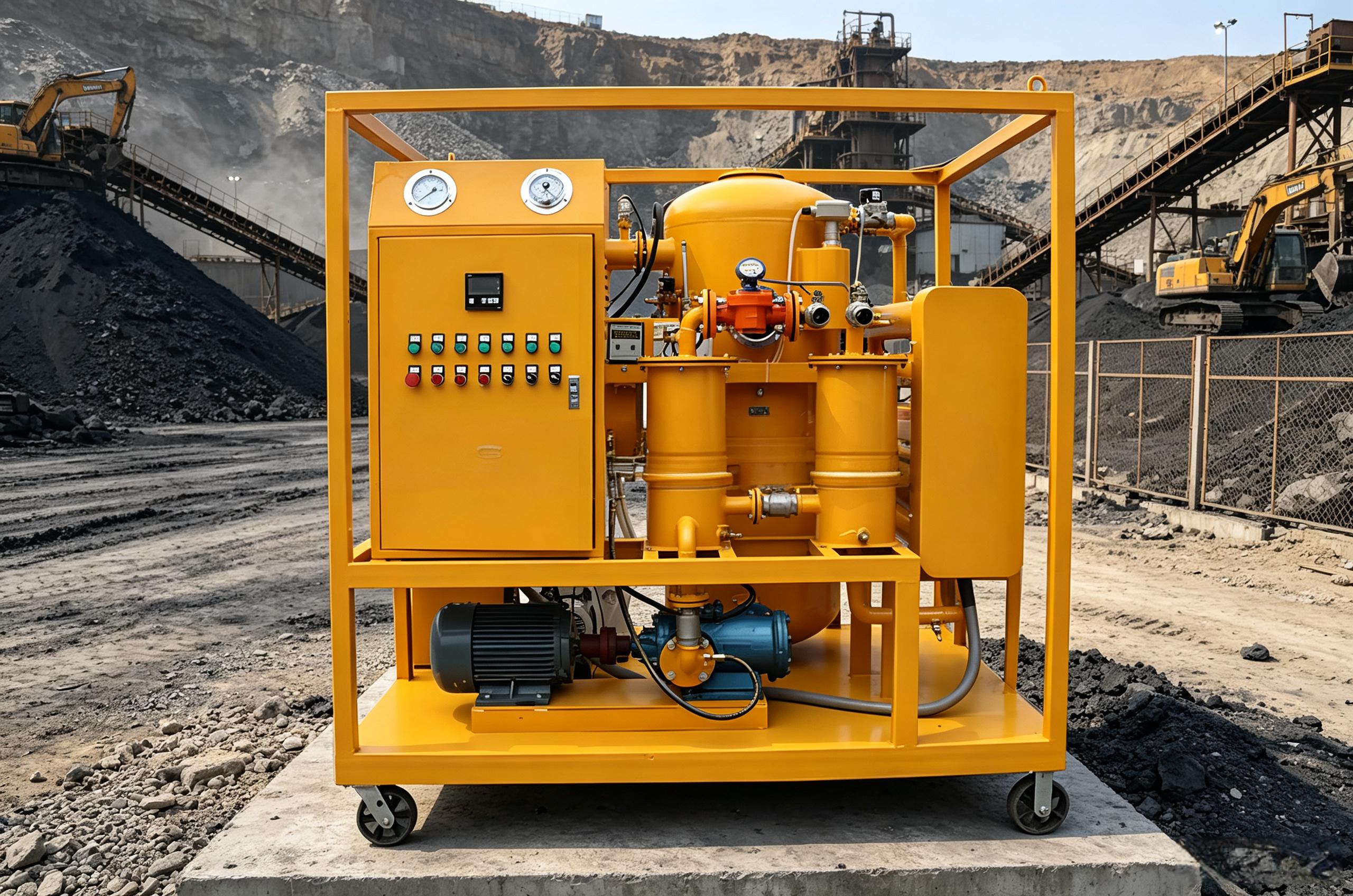
Explosion-Proof Oil Purifier Selection Guide: Which Working Conditions Require One?
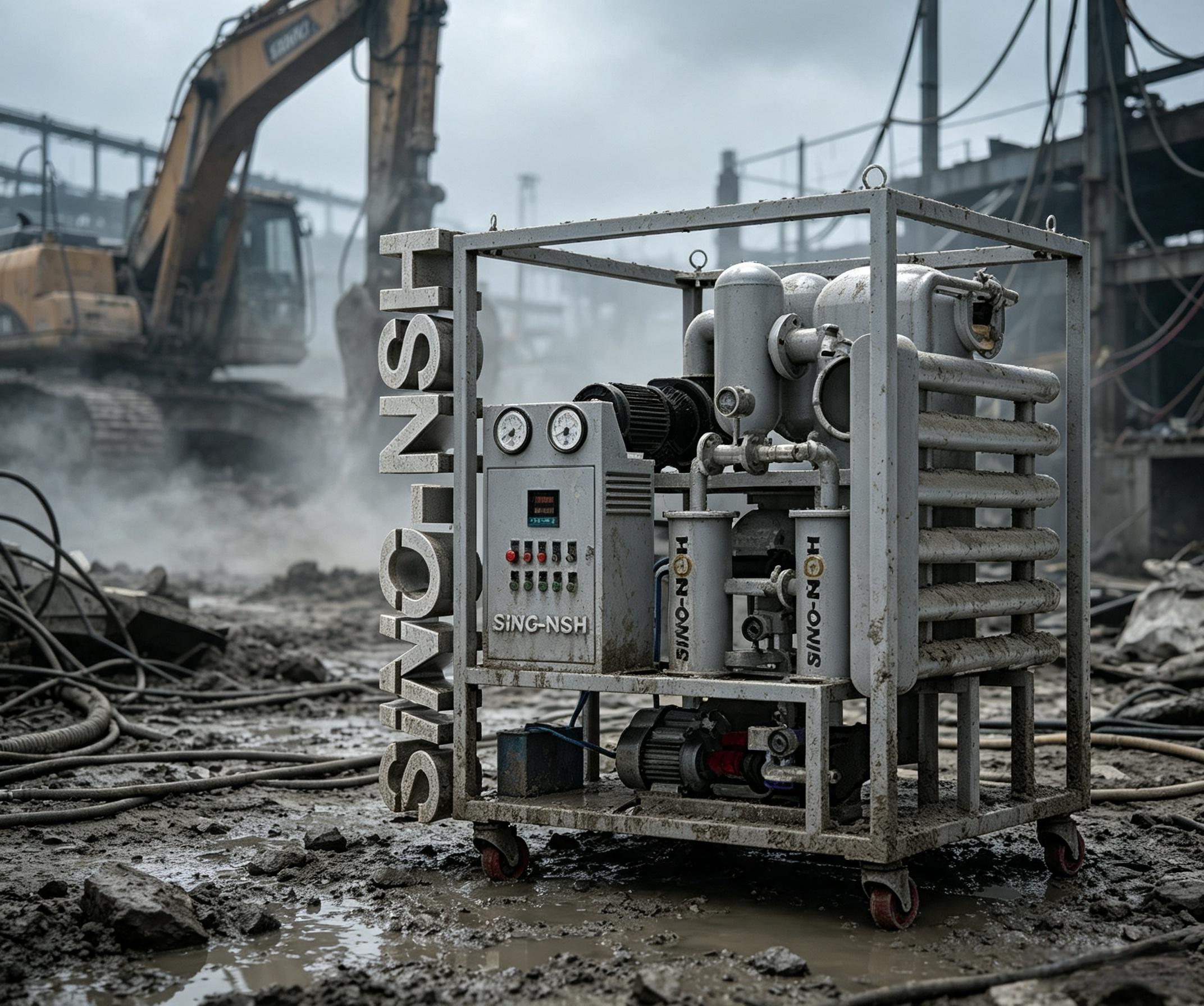
How to Prevent Rapid Lubricating Oil Degradation in Steel Mills
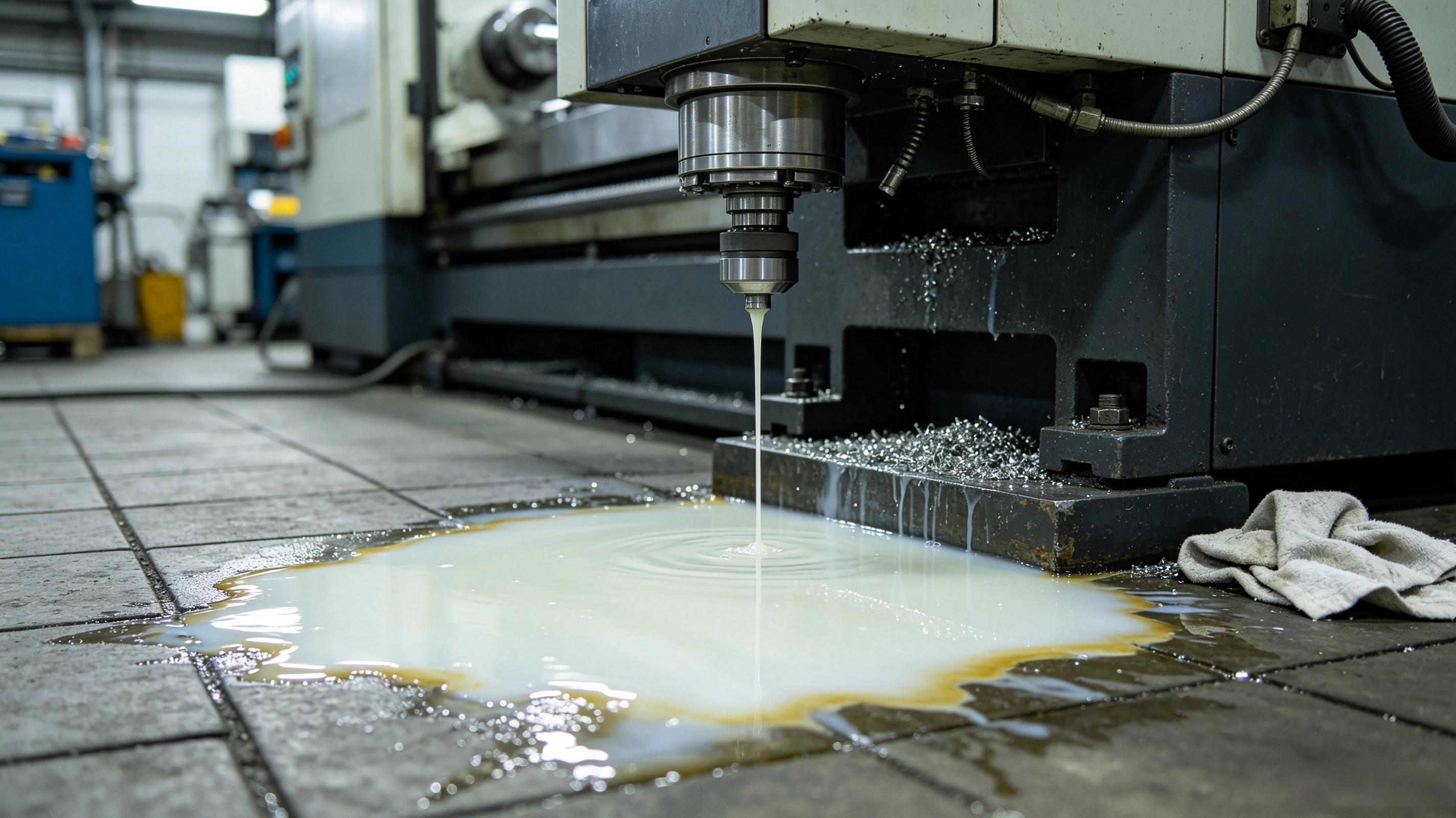
Can an Oil Purifier Remove Acid? Understanding the Limits of Oil Regeneration
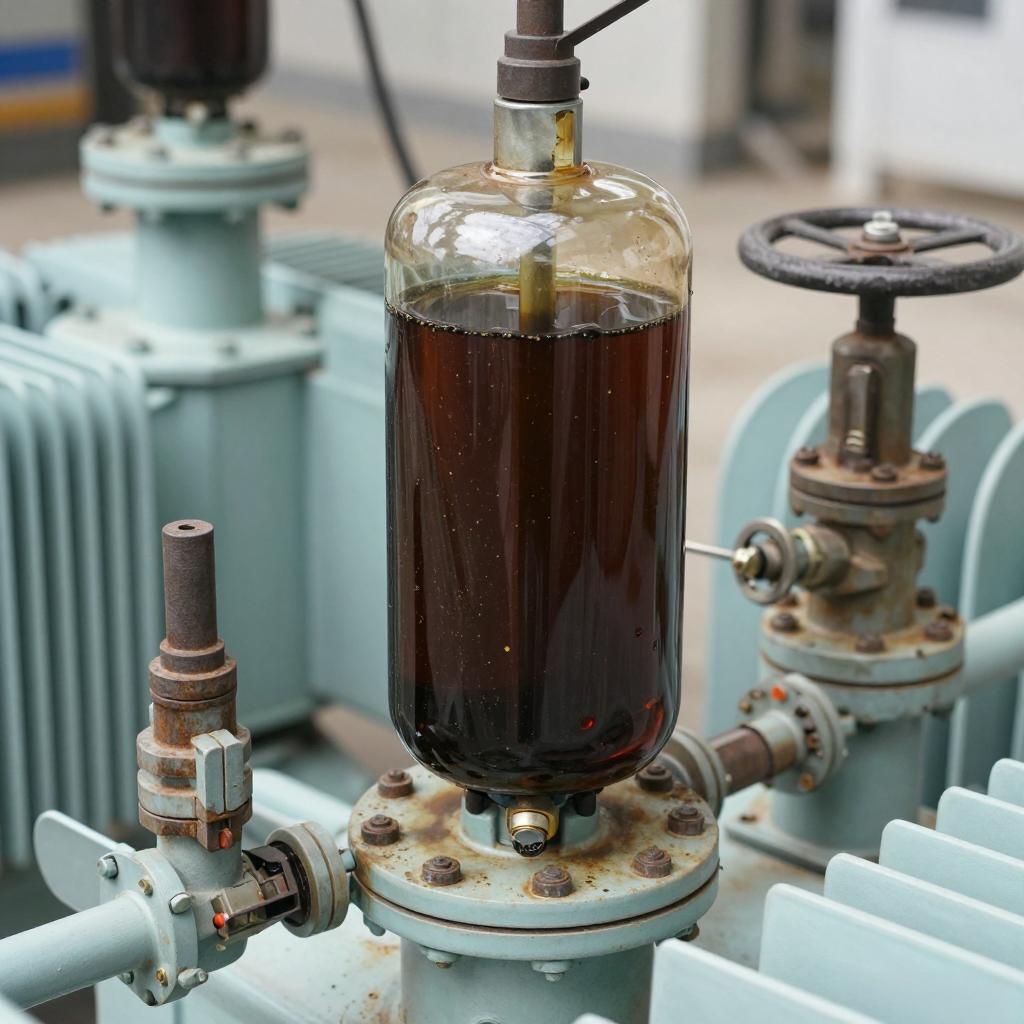
Chemical Industry Oil Purification: How to Choose the Right Oil Purifier
Why Is Coalescing Water Removal More Stable Than Vacuum Dehydration?


