E-mail seo@sino-purification.com

Time:2026-06-24 11:57:28 Reading volume:
In industrial hydraulics, fluid cleanliness directly dictates operational reliability, as up to 80% of component failures stem from fluid contamination. Particulate matter, water, and degradation byproducts accelerate wear, cause valve stiction, and lead to costly unscheduled downtime.
Selecting the correct oil filtration unit requires a systematic evaluation of system dynamics, fluid properties, and environmental conditions. This guide breaks down the critical engineering factors required to select the optimal filtration system.
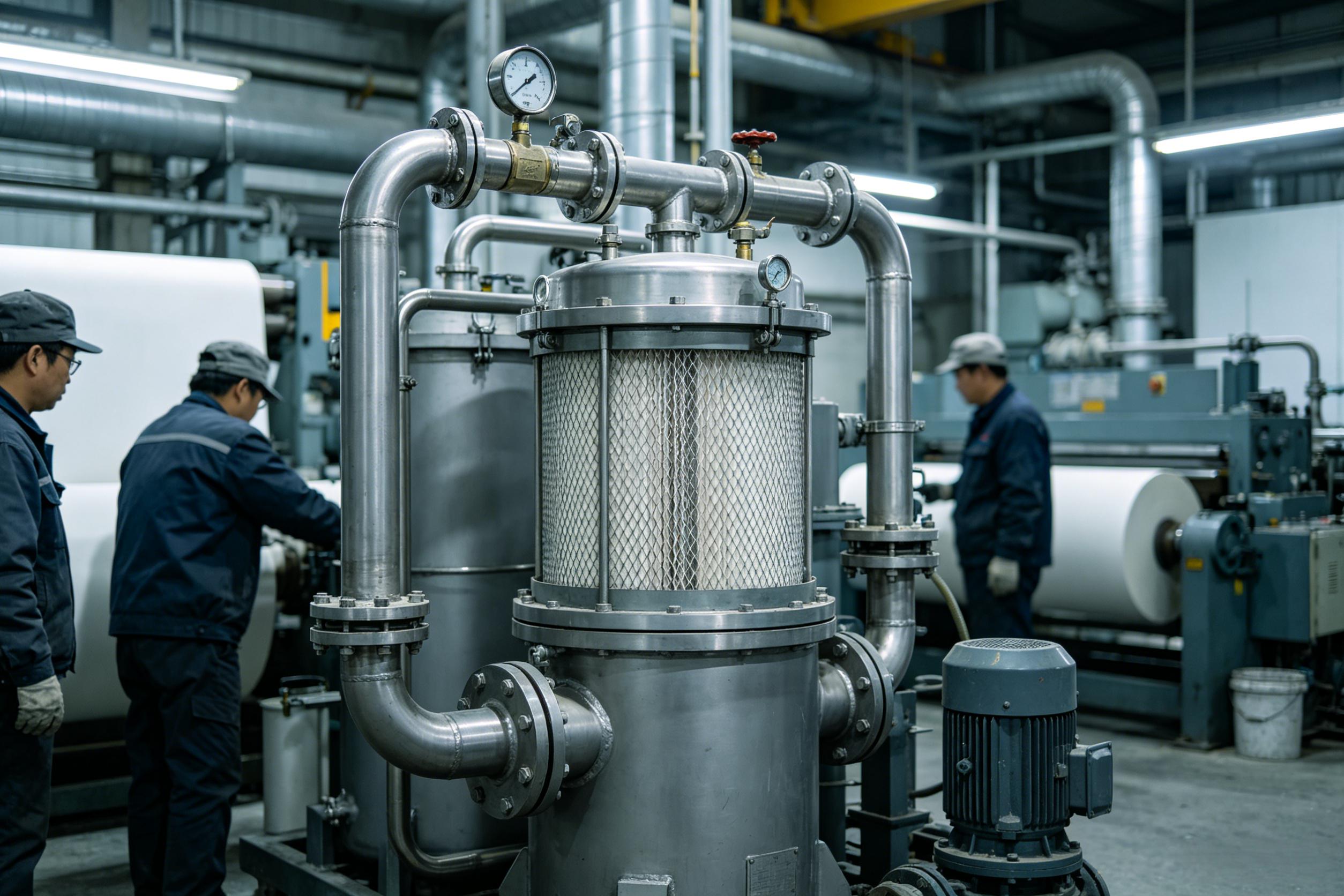
The first step is determining the cleanliness level required by the most sensitive component in your system—typically the hydraulic pump or proportional valves. Industrial fluid cleanliness is standardized under ISO 4406, which utilizes a three-number code to represent the quantity of particles equal to or greater than 4 μm, 6 μm, and 14 μm per milliliter of fluid.
Servo and Proportional Valve Systems: These high-precision components have tight clearances and require strict contamination control, typically targeting ISO 16/14/11 to 17/15/12.
High-Pressure Piston/Vane Pumps: Standard industrial high-pressure systems generally operate reliably with a target cleanliness of ISO 18/16/13 to 19/17/14.
Low-Pressure Heavy Industrial Systems: Directional valves and gear pumps in low-pressure applications can often tolerate a more relaxed specification, such as ISO 20/18/15.
Nominal micron ratings are highly subjective and vary between manufacturers. Engineers rely on the Beta Ratio (β), determined via ISO 16889 multi-pass testing, to define absolute filtration efficiency:
Wherex represents particle size in microns, Nupstream is the particle count before the filter, andNdownstream is the count after the filter. For critical industrial hydraulics, look for high-efficiency elements with a rating ofβx≥200 (99.5% efficiency) orβx≥1000 (99.9% efficiency) at the designated micron level.
Total circuit flow rate dictates the physical size of the filter housing, but fluid viscosity plays an equally critical role. Industrial fluids like ISO VG 46 or VG 68 experience significant viscosity increases during cold start-ups, creating higher differential pressure (ΔP) across the filter media.
As a standard engineering practice, size the filter housing and element so that the clean, initial pressure drop does not exceed one-third of the filter's internal bypass valve cracking pressure at the maximum expected operating viscosity. This prevents the unit from prematurely entering bypass mode during cold starts.
The structural design and pressure rating of the filtration unit depend entirely on its location within the hydraulic circuit.
Pressure Line Filtration: Installed directly downstream of the hydraulic pump. These units must withstand full system operating pressures (often 210 to 315 bar) and transient pressure spikes to protect specific downstream components from pump wear debris.
Return Line Filtration: Positions the filter housing just before fluid re-enters the reservoir. It captures wear debris from the actuators and cylinders before it contaminates the tank. While operating under low pressure, these must handle high-flow surges caused by regenerating cylinders.
Off-Line (Kidney Loop) Filtration: This configuration uses an independent pump-and-motor circuit to continuously draw oil from the reservoir, pass it through high-efficiency media, and return it to the tank. Operating at a stable flow rate and low pressure, offline filtration is highly effective because it remains unaffected by the main system’s duty cycles.
The choice of filter media must align with the primary type of contamination entering the system.
Solid Particulate: For standard ambient dust and component wear debris, synthetic inorganic microfiber (fiberglass) elements are preferred over traditional cellulose elements due to their higher dirt-holding capacity, lower flow resistance, and precise pore-size control.
Water Ingress: Water destroys lubricity, accelerates oxidation, and depletes additives. For free water, choose a unit equipped with a water-absorbing polymer or coalescing elements. For high dissolved water content, a vacuum dehydration oil purifier is required to strip water at a molecular level.
Varnish and Sludge: Thermal stress causes hydraulic oil to degrade, forming sub-micron soft contaminants known as varnish. Standard mechanical filters cannot capture these particles; specialized depth-filtration systems or electrostatic oil purifiers are necessary to remove varnish precursors.
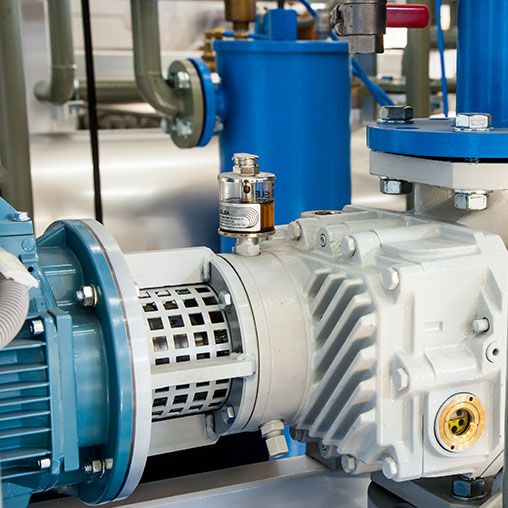
To ensure long-term reliability and ease of maintenance, a professional industrial filtration unit should incorporate the following field-ready features:
Differential Pressure Indicators: Visual gauges or electrical switches are mandatory to alert maintenance personnel when the filter element is approaching saturation, allowing for scheduled maintenance before the unit triggers a bypass condition.
Fluid Sampling Ports: Integrated minimess test points should be located both upstream and downstream of the filter element. This allows technicians to extract clean oil samples for routine laboratory analysis or online particle counting without introducing external contaminants.
Duplex Configurations: For continuous-operation plants where shutting down machinery is not feasible, utilize duplex filter housings. These feature two identical housings connected by a changeover valve, allowing operators to safely service a clogged element while the system continues to run on the secondary chamber.
Explosion-Proof Oil Purifier Selection Guide: Which Working Conditions Require One?
How to Prevent Rapid Lubricating Oil Degradation in Steel Mills
Can an Oil Purifier Remove Acid? Understanding the Limits of Oil Regeneration
Chemical Industry Oil Purification: How to Choose the Right Oil Purifier
Why Is Coalescing Water Removal More Stable Than Vacuum Dehydration?


