E-mail seo@sino-purification.com

Time:2024-12-11 11:05:37 Reading volume:
Choosing a suitable turbine oil purifier depends on factors like the type of turbine, oil contamination issues, operating environment, and budget. Here’s a guide to selecting the right turbine oil purifier:
---
1. Understand the Type of Contamination
- Water Contamination:
- Turbine oil often accumulates moisture, especially in steam turbines.
- Choose purifiers with effective dehydration systems, such as vacuum dehydration or centrifugation.
- Particle Contamination:
- Fine particles from wear and tear can degrade oil quality.
- Look for purifiers with fine filtration capabilities (e.g., multi-stage filters).
- Oxidation Products:
- Oxidized oil may form sludge or varnish.
- Consider systems with thermal or chemical cleaning features if oxidation is a problem.
---
2. Key Features to Look For
- Filtration Efficiency:
- Check the micron rating (e.g., filters capable of removing particles as small as 3-5 microns).
- Water Removal Technology:
- Options include:
- Vacuum Dehydration: Removes dissolved, emulsified, and free water.
- Centrifugal Purification: Uses centrifugal force to separate water and particles.
- Flow Rate:
- Ensure the purifier’s capacity matches your turbine system requirements (e.g., liters per hour).
- Automatic Operation:
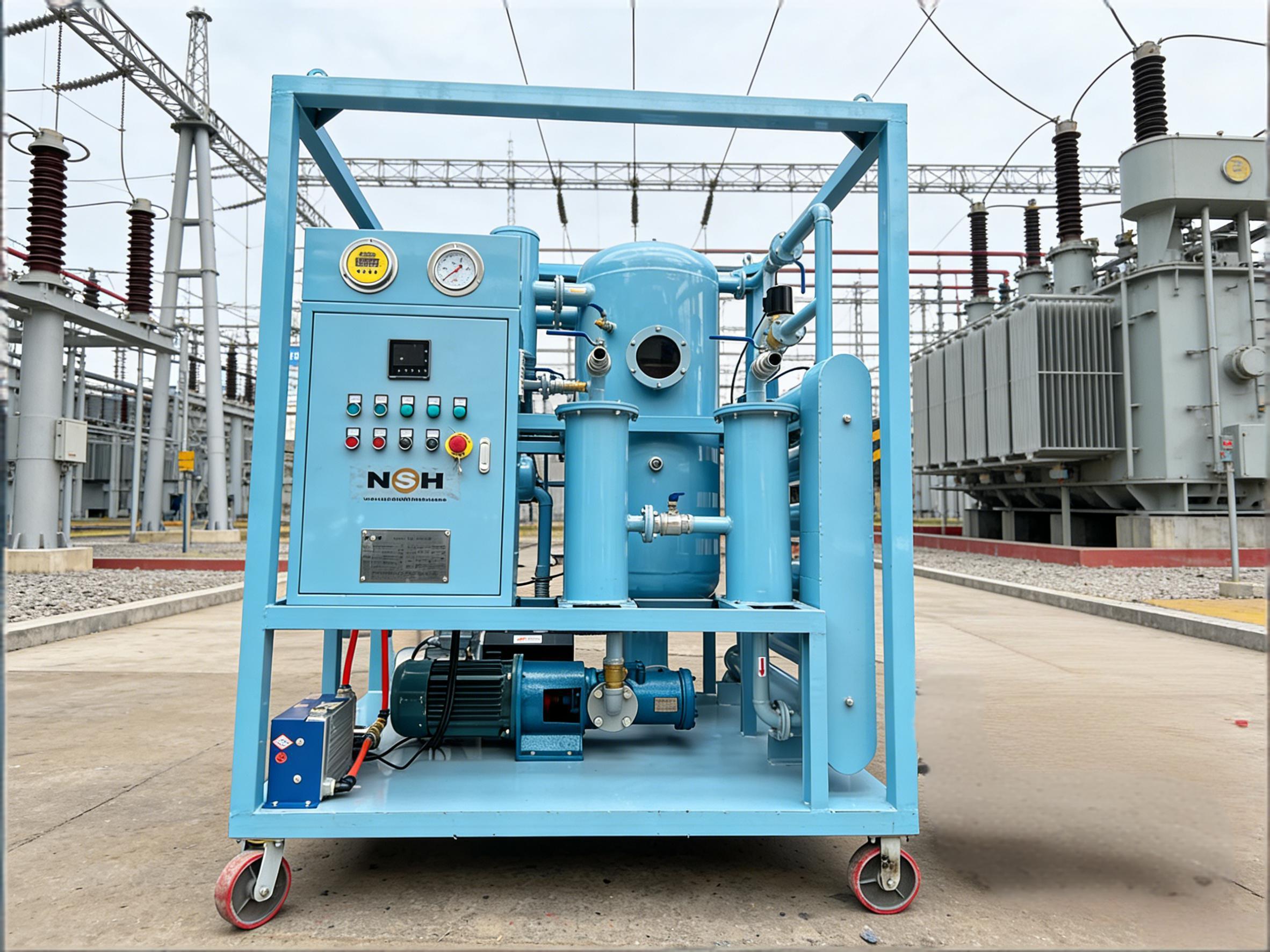
- Systems with automatic controls and alarms improve ease of use and safety.
- Oil Compatibility:
- Ensure the purifier is compatible with the specific type and viscosity of turbine oil used.
---
3. Match Purifier Type to Your Needs
- Centrifugal Oil Purifiers:
- Best for large-scale systems and heavy contamination.
- Effective at separating water and solids.
- Vacuum Oil Purifiers:
- Ideal for systems prone to water contamination.
- Removes dissolved gases and moisture efficiently.
- Electrostatic Oil Cleaners:
- Suitable for removing fine particles and varnish.
- Thermal Oil Purifiers:
- Targets oxidation by-products, though less effective for water removal.
---
4. Consider Operational and Environmental Factors
- System Size and Oil Volume:
- Choose a purifier that can handle your system’s oil capacity.
- Operating Environment:
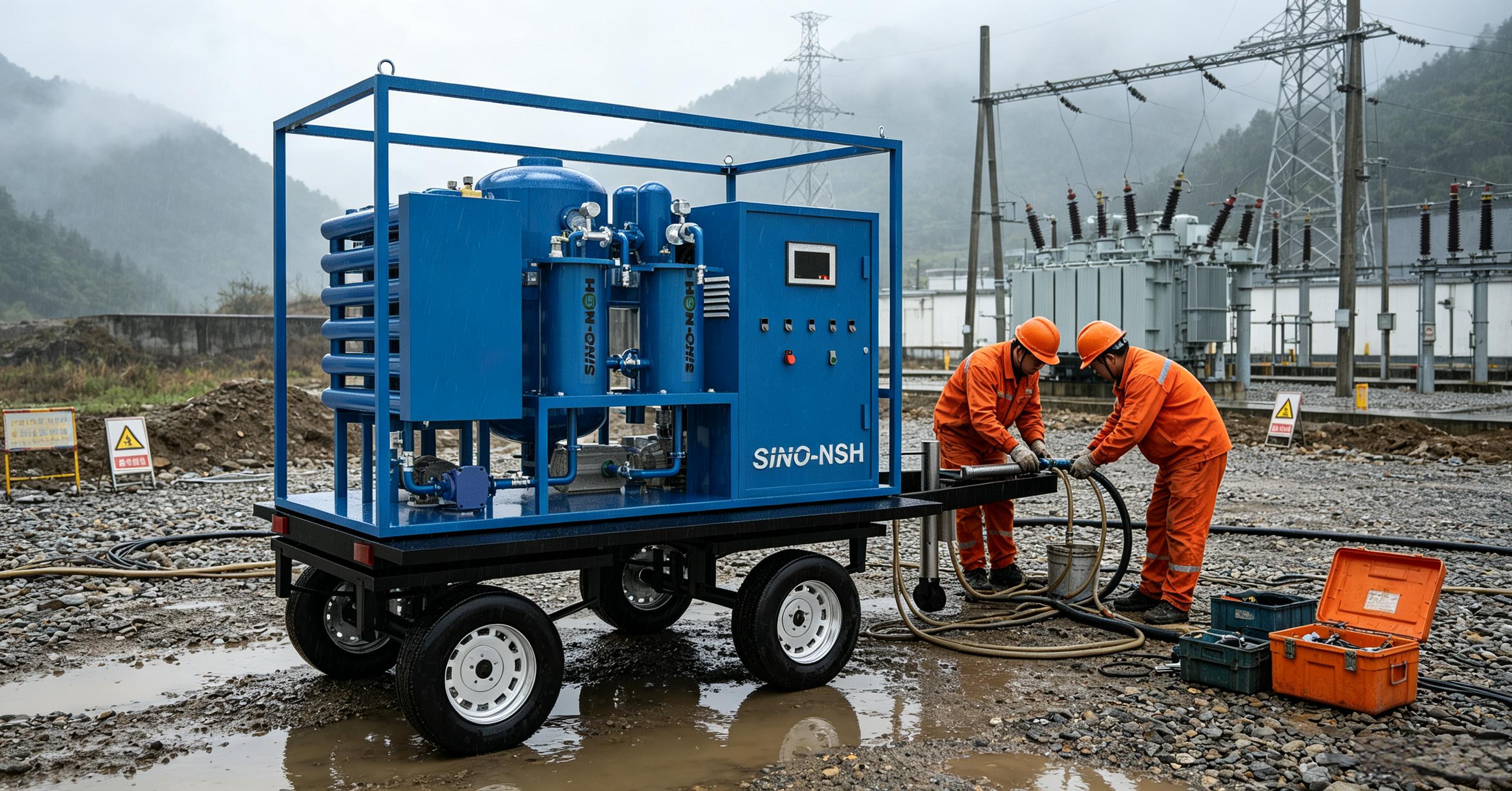
- For outdoor turbines, look for robust, weather-resistant purifiers.
- Consider portability if the purifier needs to be moved between sites.
- Maintenance Requirements:
- select systems with easily replaceable filters and low maintenance needs.
- Energy Efficiency:
- Opt for purifiers with low power consumption.
---
5. Vendor and Product Support
- Reputation and Reviews:
- Choose reputable manufacturers with proven performance records.
- After-Sales Support:
- Ensure the vendor offers technical support, spare parts, and warranties.
- Custom Solutions:
- Some suppliers offer tailored systems based on specific requirements.
---
6. Compliance with Standards
Ensure the purifier complies with relevant industry standards (e.g., ISO cleanliness codes, API standards).
---
Would you like recommendations for specific brands or assistance in calculating the required purifier specifications?