E-mail seo@sino-purification.com

Time:2025-02-08 11:22:21 Reading volume:
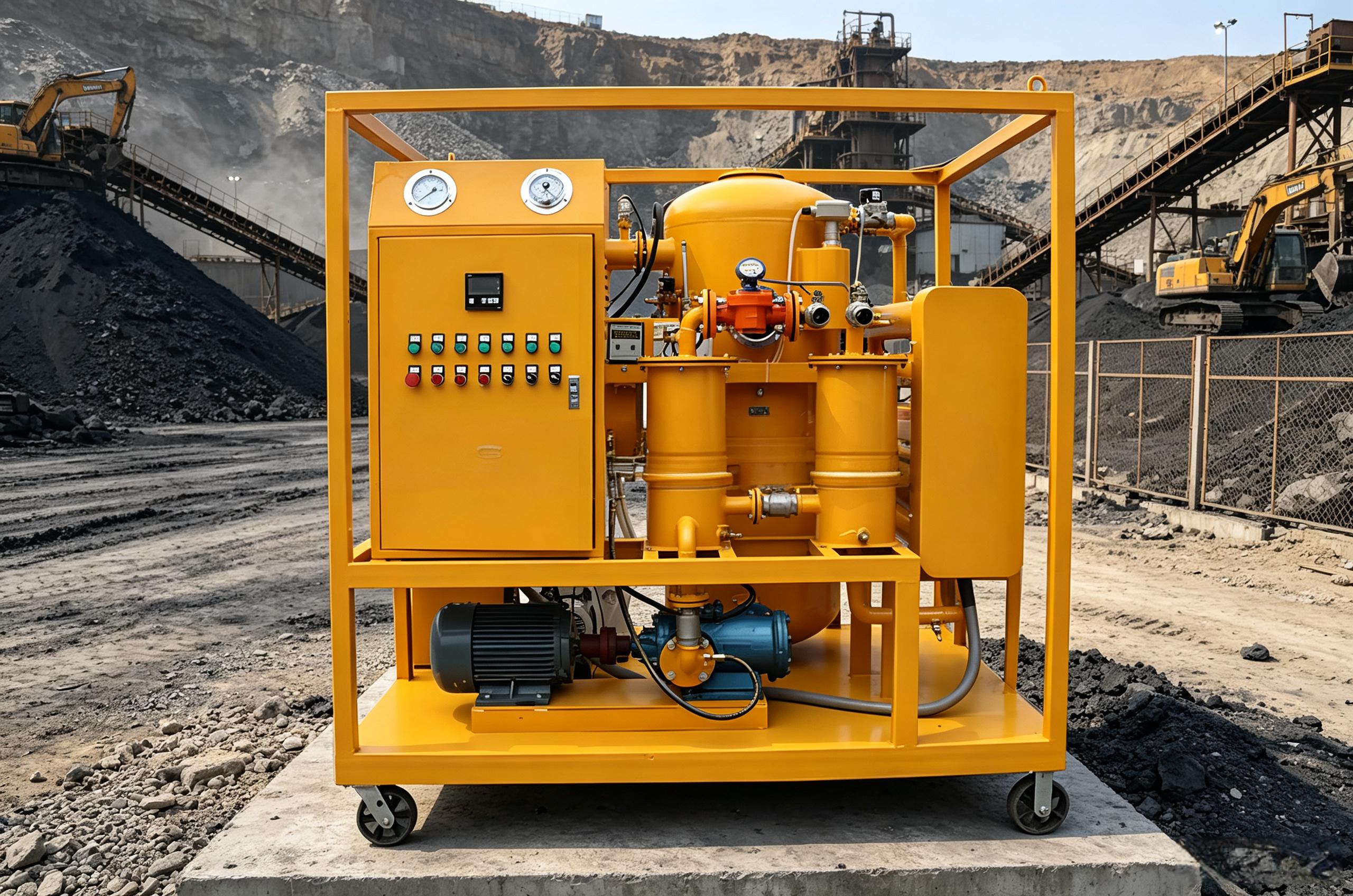
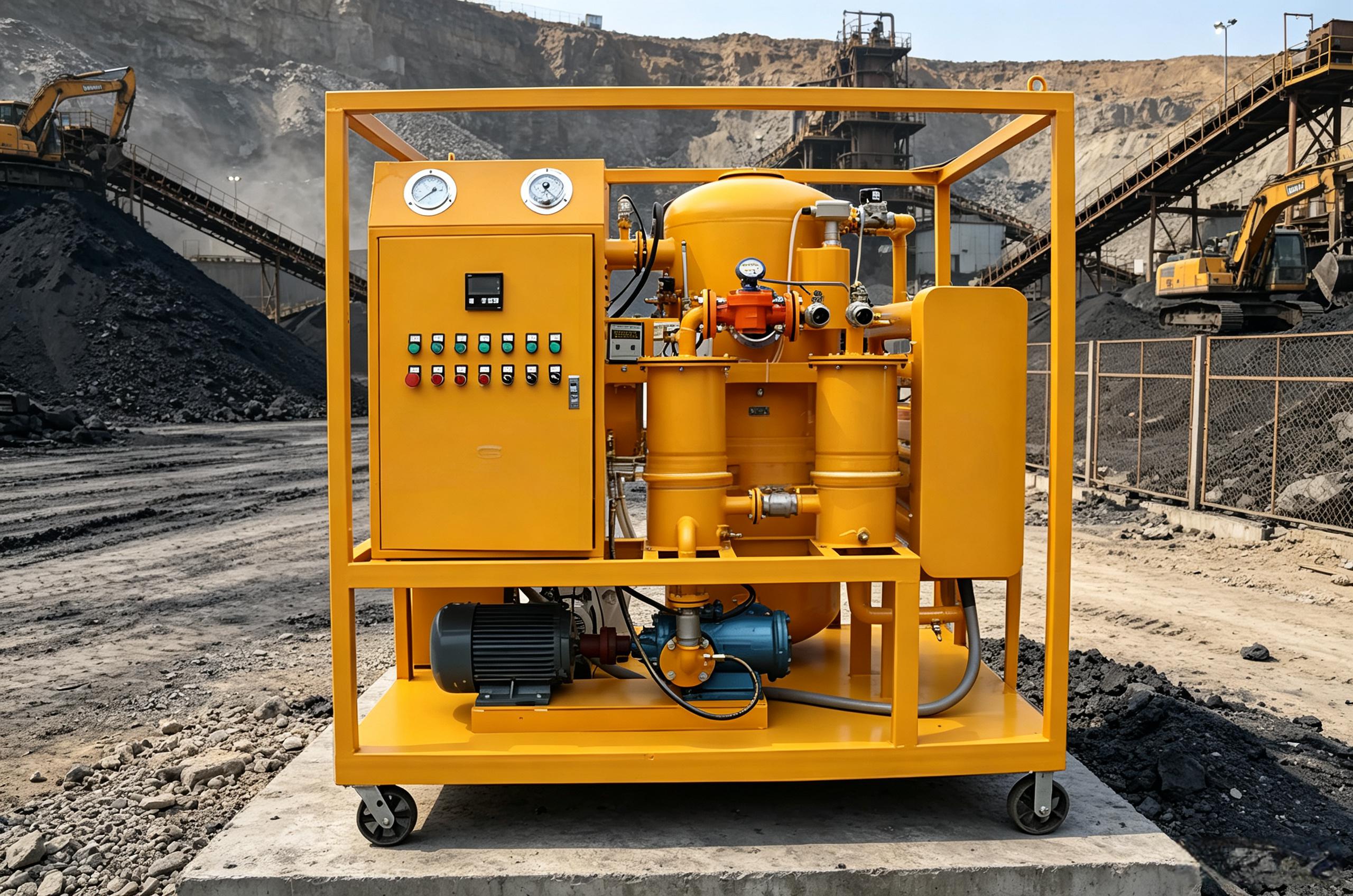
Installing an oil purifier after purchase involves several steps to ensure it operates efficiently and safely. Here’s a comprehensive guide to help you through the installation process:
1. Preparation
- Read the Manual: Carefully read the user manual provided by the manufacturer for specific instructions and safety guidelines.
- Inspect the Equipment: Check the oil purifier for any damage that may have occurred during transportation.
- Gather Tools: Ensure you have all necessary tools and equipment for installation, such as wrenches, screwdrivers, and piping materials.
2. Choose the Installation Location
- Stable Surface: Place the oil purifier on a stable, level surface to prevent vibrations and ensure proper operation.
- Ventilation: Ensure the area is well-ventilated to avoid the accumulation of fumes.
- Accessibility: Choose a location that allows easy access for maintenance and operation.
3. Connect the Piping
- Inlet and Outlet Connections: Connect the inlet and outlet pipes to the oil purifier. Ensure the connections are tight and secure to prevent leaks.
- Pipe Material: Use pipes made of materials compatible with the type of oil being purified (e.g., stainless steel for high-temperature oils).
- Valves and Fittings: Install necessary valves and fittings to control the flow of oil.
4. Electrical Connections
- Power Supply: Ensure the power supply matches the specifications of the oil purifier (e.g., voltage, frequency).
- Grounding: Properly ground the equipment to prevent electrical hazards.
- Circuit Breaker: Install a circuit breaker or fuse for added safety.
5. Initial Setup
- Fill with Oil: If required, fill the oil purifier with the appropriate type and amount of oil as specified in the manual.
- Check Seals: Inspect all seals and gaskets to ensure they are properly fitted and not damaged.
6. Test Run
- Power On: Turn on the power supply and start the oil purifier.
- Monitor Operation: Observe the machine for any unusual noises, vibrations, or leaks.
- Check Performance: Ensure the oil purifier is operating within the specified parameters (e.g., flow rate, temperature).
7. Calibration and Adjustment
- Calibrate Sensors: If your oil purifier has sensors or control systems, calibrate them according to the manufacturer’s instructions.
- Adjust Settings: Set the desired parameters for oil purification, such as temperature and flow rate.
8. Safety Checks
- Emergency Stop: Ensure the emergency stop button is functional and easily accessible.
- Safety Guards: Install any necessary safety guards or covers to protect moving parts.
9. Documentation and Training
- Record Installation: Document the installation process, including any adjustments made.
- Train Operators: Provide training for operators on how to use and maintain the oil purifier safely and effectively.
10. Regular Maintenance
- Scheduled Checks: Establish a maintenance schedule to regularly inspect and service the oil purifier.
- replace Filters: Regularly replace filters and other consumable parts as recommended by the manufacturer.
By following these steps, you can ensure a successful installation of your oil purifier, leading to efficient and safe operation. Always refer to the manufacturer’s guidelines for specific instructions related to your model.
Explosion-Proof Oil Purifier Selection Guide: Which Working Conditions Require One?
How to Prevent Rapid Lubricating Oil Degradation in Steel Mills
Can an Oil Purifier Remove Acid? Understanding the Limits of Oil Regeneration
Chemical Industry Oil Purification: How to Choose the Right Oil Purifier
Why Is Coalescing Water Removal More Stable Than Vacuum Dehydration?


