E-mail seo@sino-purification.com

Time:2025-01-16 13:10:45 Reading volume:
Turbine oil purification removes water, particulate contaminants, and other impurities from turbine lubricating oil to help maintain oil cleanliness and performance. Depending on the oil condition and system design, purification equipment may use filtration, vacuum dehydration, or other separation methods.
Regular maintenance helps keep the purification system operating efficiently, identify problems early, and reduce unnecessary downtime. This guide covers the main maintenance tasks, oil quality checks, and common operating problems to monitor.
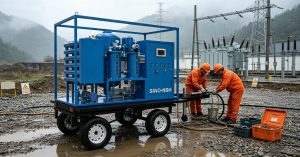
Inspect the turbine oil purification system for oil leaks, loose connections, damaged hoses, abnormal noise, and signs of overheating. Check seals, gaskets, valves, and pipe connections for deterioration.
Before starting the unit, confirm that the oil supply, inlet and outlet valves, electrical connections, and safety devices are in the correct condition. Follow the manufacturer's startup and shutdown procedures.
Filters remove solid contaminants from the oil, but accumulated particles can restrict flow and reduce purification efficiency.
Monitor the pressure differential across each filter and compare it with the manufacturer's recommended operating range. A rising differential pressure may indicate filter blockage or excessive contamination. A decrease in flow rate may also indicate a clogged filter, insufficient oil supply, or a pump problem.
Clean reusable filter elements only when permitted by the manufacturer. replace disposable elements according to the specified differential pressure, service condition, or replacement schedule.
Water and particulate contamination can affect turbine oil performance and contribute to corrosion, deposits, and bearing-related problems.
Regular oil analysis should be based on the turbine manufacturer's requirements, oil condition, and operating environment. Depending on the application, testing may include:
Water content, measured using an appropriate method such as Karl Fischer titration.
Particle contamination, evaluated using a suitable particle-counting method.
Acid number (TAN), to assess changes associated with oil degradation.
Viscosity and other oil condition indicators, where applicable.
Take representative oil samples using consistent sampling procedures. Where useful, compare samples collected before and after purification to evaluate treatment performance.
Do not rely on oil color alone to determine whether oil is suitable for continued use. Water limits and cleanliness targets should follow the applicable oil specification and equipment requirements.
For systems equipped with vacuum dehydration or degassing, monitor vacuum performance, heating conditions, and the operation of the vacuum pump.
If water removal becomes less effective, check for air leaks, abnormal vacuum pump operation, incorrect operating conditions, or a continuing source of water contamination. Also inspect relevant seals, condensate collection components, and discharge lines.
Follow the manufacturer's instructions for vacuum pump oil changes, component servicing, and heater maintenance. Not all turbine oil purification systems use the same dehydration or degassing technology, so maintenance procedures should match the installed equipment.
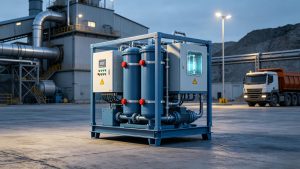
Check pumps and motors for unusual vibration, noise, leakage, and temperature changes. Confirm that the unit maintains the required flow rate under normal operating conditions.
Inspect pressure, temperature, and moisture sensors where installed. Test alarms, control functions, and automatic shutdown or interlock devices according to the maintenance schedule.
If readings become inconsistent, verify the sensor and measurement method before adjusting operating parameters. Record abnormal readings and corrective actions for future reference.
Low oil flow: Check filter differential pressure, inlet conditions, valve positions, and pump performance.
Poor water removal: Check the incoming oil's water content, vacuum performance, heating conditions, and possible sources of continuing water ingress.
Unstable vacuum: Inspect vacuum lines, seals, connections, and the vacuum pump for leakage or abnormal operation.
Oil remains contaminated: Confirm the type of contamination, review oil sampling results, and check whether the purification process is suitable for the contaminant involved.
These symptoms can have multiple causes. Inspect the system systematically and follow the manufacturer's troubleshooting instructions rather than replacing components based on symptoms alone.
A practical maintenance program should combine routine inspections, condition monitoring, and scheduled servicing.
Before operation: Check for leaks, abnormal conditions, and correct valve positions.
During operation: Monitor flow, pressure differential, temperature, vacuum performance, and alarms as applicable.
At scheduled intervals: Inspect filters, pumps, seals, valves, sensors, and other serviceable components.
According to oil condition: Review laboratory test results and determine whether further purification, investigation, or oil replacement is necessary.
During planned shutdowns: Carry out deeper inspections and service components according to the equipment manufacturer's instructions.
Record operating hours, filter replacements, oil test results, alarms, repairs, and maintenance dates. Historical records help identify recurring problems and support maintenance planning.
Oil purification can remove contaminants that the installed process is designed to handle, but it cannot necessarily reverse all forms of oil degradation.
Oxidation, excessive acidity, additive depletion, and other changes may require additional oil condition assessment. In some cases, oil replacement or another treatment process may be necessary.
Evaluate oil condition using laboratory results, applicable specifications, and the turbine manufacturer's recommendations rather than relying on purification alone.
The frequency depends on operating hours, oil contamination, equipment design, and manufacturer recommendations. Routine checks should be combined with condition-based maintenance and scheduled servicing.
Monitor relevant operating parameters and compare oil samples taken before and after treatment. Water content, particle contamination, flow rate, pressure differential, and vacuum performance can help assess system condition.
Not always. Purification may remove water and particles, but severely oxidized oil or oil with depleted additives may require further assessment or replacement.

Effective turbine oil purification depends on both suitable treatment equipment and consistent maintenance. Regular inspections, oil analysis, filter monitoring, and timely troubleshooting help maintain purification performance and support reliable turbine operation.
For applications requiring continuous water removal and contaminant control, selecting a purification system that matches the oil condition, required treatment capacity, and operating requirements is essential.
Why Different Oil Types Cannot Always Use the Same Oil Purifier
Explosion-Proof Oil Purifier Selection Guide: Which Working Conditions Require One?
How to Prevent Rapid Lubricating Oil Degradation in Steel Mills
Can an Oil Purifier Remove Acid? Understanding the Limits of Oil Regeneration
Chemical Industry Oil Purification: How to Choose the Right Oil Purifier


