E-mail seo@sino-purification.com

Time:2025-04-10 14:15:28 Reading volume:
Precautions for transformer oil filtration
Transformer oil filtration is a key maintenance measure to ensure the insulation performance and heat dissipation capacity of the transformer. The following are important precautions during the filtration process:
- Oil sample testing:
- Test the moisture content (GB/T 7600), dielectric loss (GB/T 5654), and breakdown voltage (IEC 60156) to determine whether filtration is required.
- If the oil contains a large amount of impurities or moisture, it must be pre-treated by sedimentation or centrifugation.
- Equipment inspection:
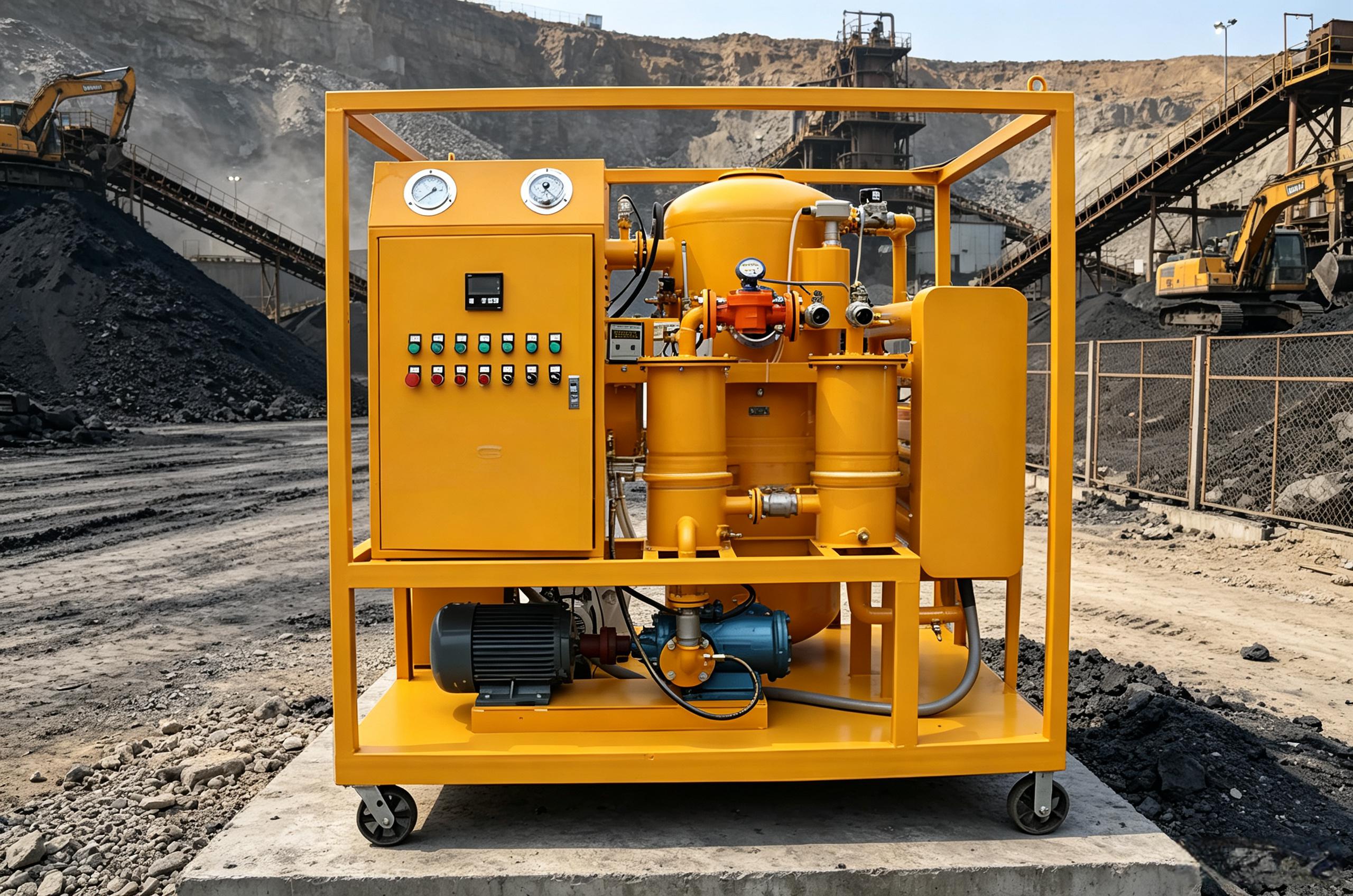
- Ensure that the oil purifier (vacuum/pressure type) is clean and the filter element is not damaged.
- Check the vacuum pump oil level, heater function, and pipeline sealing.
- Optimal range: 60~65℃ (too high accelerates oil oxidation, too low affects dehydration efficiency).
- Heating method: Use step-by-step heating to avoid local overheating.
- Requirements: absolute pressure ≤50Pa (high efficiency degassing and dehydration).
- Monitoring: observe the vacuum gauge in real time, and check the sealing if fluctuations are found.
- Accuracy matching:
- Particle filtration: β≥200 (5μm filter element, ISO 4406 cleanliness ≤12/9).
- Moisture adsorption: molecular sieve or silica gel filter element (treated to ≤10ppm) can be selected.
- Replacement standard: pressure difference ≥0.3MPa or continuous operation for 100 hours.
- Pipeline cleaning: flush with qualified oil before use to prevent cross-contamination.
- Environmental protection: operate in a closed environment to prevent dust and moisture from intrusion.
- Emulsified oil treatment:
- Demulsify first (add demulsifier or centrifuge), then enter the vacuum oil purifier.
- Regeneration of aged oil:
- If the acid value is > 0.1mg KOH/g (GB/T 264), it is necessary to use a clay adsorption or regeneration device.
- Moisture content: ≤10ppm (≤8ppm for transformers above 330kV).
- Breakdown voltage: ≥60kV (new oil standard ≥70kV, GB 2536).
- Dielectric loss (90℃): ≤0.005 (≤0.002 for 500kV transformer).
- Fire prevention measures: stay away from open flames, and equip the site with a fire extinguisher (CO₂ or dry powder).
- Anti-static: The equipment is well grounded, and the flow rate is controlled to <1m/s (to avoid static electricity accumulation).
- Shutdown sequence: turn off the heater first, continue to circulate and cool down to <50℃ before stopping the pump.
- Online monitoring: Install particle/water sensors to monitor oil quality in real time.
- Periodic filtration:
- New oil must be filtered before commissioning.
- Transformer oil in operation should be inspected at least once a year, and any excess should be handled immediately.
Transformer oil filtration requires strict control of temperature, vacuum and cleanliness to ensure that the treated oil meets standards such as DL/T 429.9. For ultra-high voltage equipment, it is recommended to entrust a professional organization to use two-stage vacuum oil filtration technology.
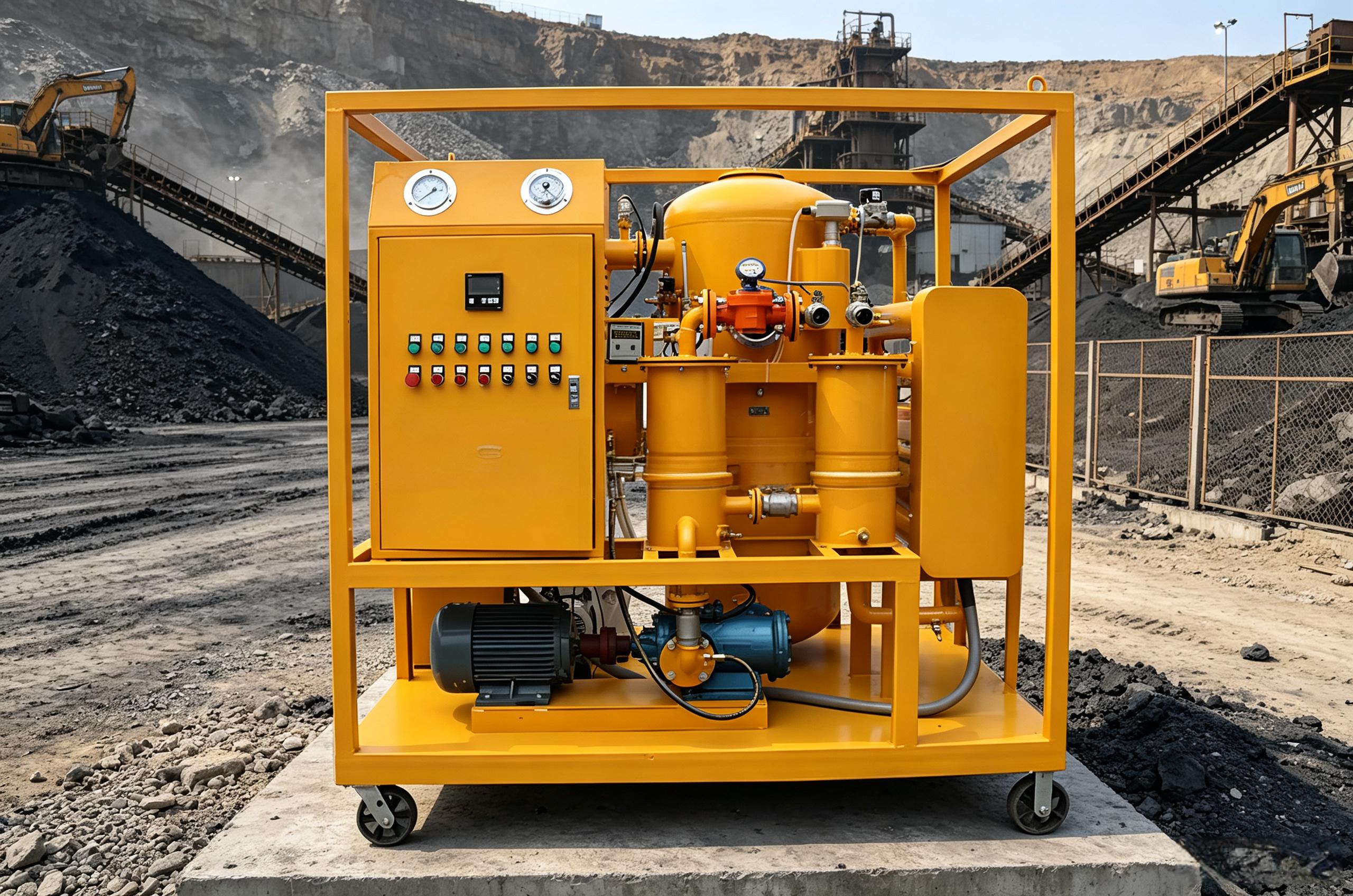
Explosion-Proof Oil Purifier Selection Guide: Which Working Conditions Require One?
How to Prevent Rapid Lubricating Oil Degradation in Steel Mills
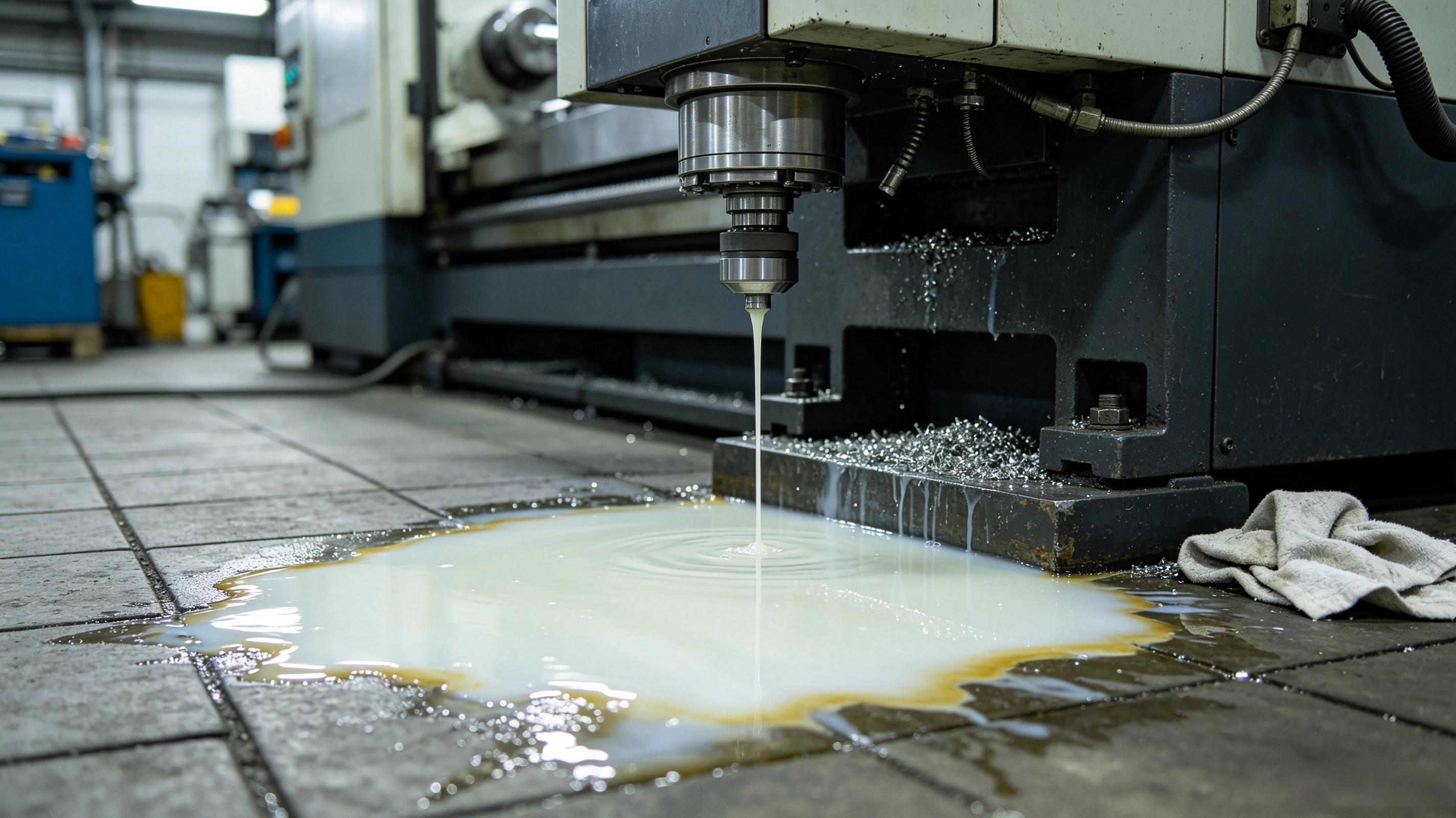
Can an Oil Purifier Remove Acid? Understanding the Limits of Oil Regeneration
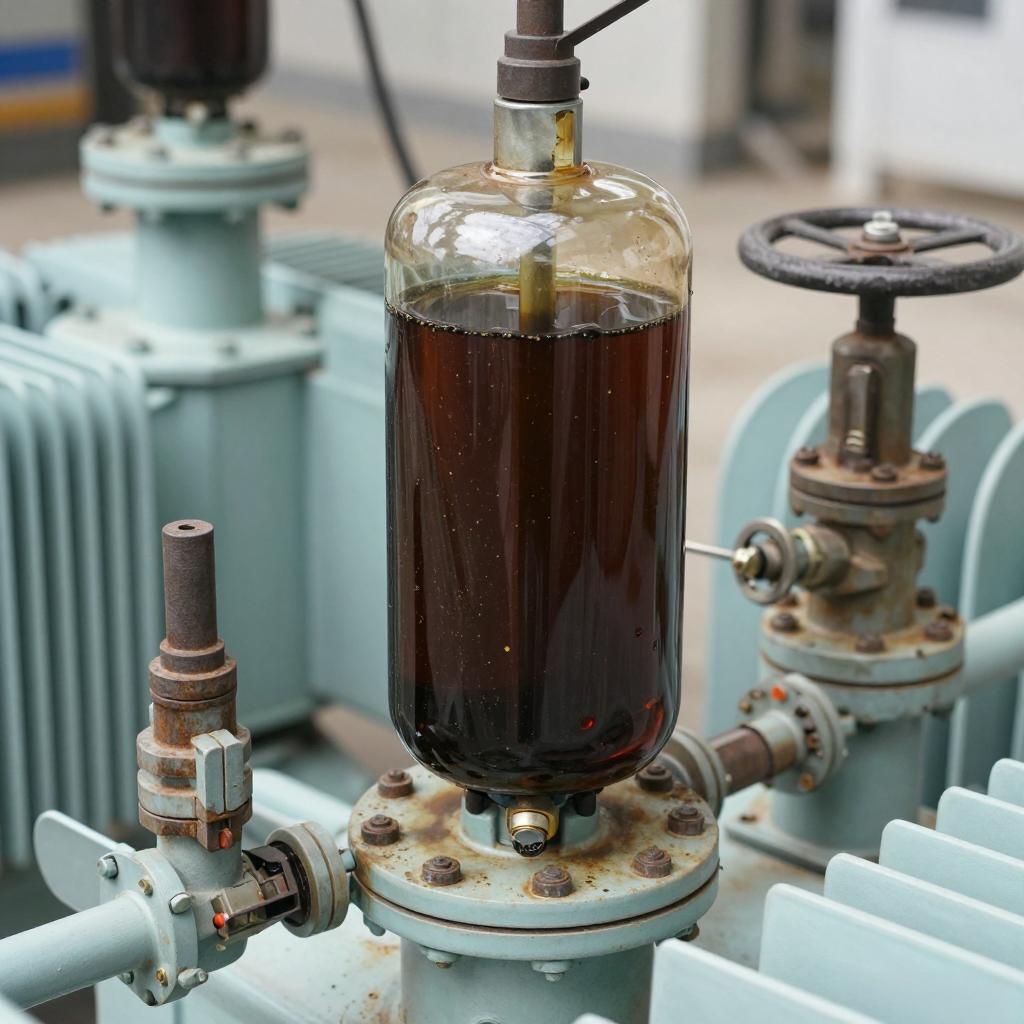
Chemical Industry Oil Purification: How to Choose the Right Oil Purifier
Why Is Coalescing Water Removal More Stable Than Vacuum Dehydration?


