E-mail seo@sino-purification.com

Time:2025-04-28 11:55:40 Reading volume:
The service life of industrial oil purification equipment is usually 8 to 15 years, but the specific life is significantly affected by factors such as equipment type, operating conditions, and maintenance level. The following is an analysis of the key points:
| Equipment type | Design lifespan | Core component replacement cycle | Scrap standard |
|--------------------|-------------|---------------------------|----------------------------------|
| Centrifugal oil purifier | 10~12 years | Drum (5 years)/bearing (3 years) | Separation factor <3000G or vibration value >7mm/s |
| Vacuum oil filter | 8~10 years | Vacuum pump (4 years)/heater (6 years) | Ultimate vacuum >-0.08MPa or temperature control failure |
| Coalescing separation system | 12~15 years | Coalescing filter element (2000h) | Dehydration efficiency <85% or pressure difference >0.4MPa |
| Electrostatic oil purifier | 15~20 years | Electrode plate (8 years)/high voltage generator (10 years)| Dielectric strength <30kV/2.5mm |
1. Working conditions
- Oil contamination: Oils above NAS level 10 will accelerate wear by 3 times
- Processing capacity: Lifespan is shortened by 40% when overloaded (> rated 120%)
- Ambient temperature: Long-term operation in an environment above 50°C will halve the lifespan of electronic components
2. Maintenance level
- Regular maintenance: Execution of ISO 4406 standard maintenance can extend lifespan by 30%
- Filter material replacement: Delayed replacement of filter elements will increase pump wear by 5 times
- Oil line cleaning: Pipelines that are not cleaned every 2000h have an 80% increased risk of blockage
3. Technology upgrade
- Installing smart sensors (vibration/temperature/pressure) can detect potential faults 30% in advance
- Using nano-coating technology can extend the lifespan of separation components by 2~3 times
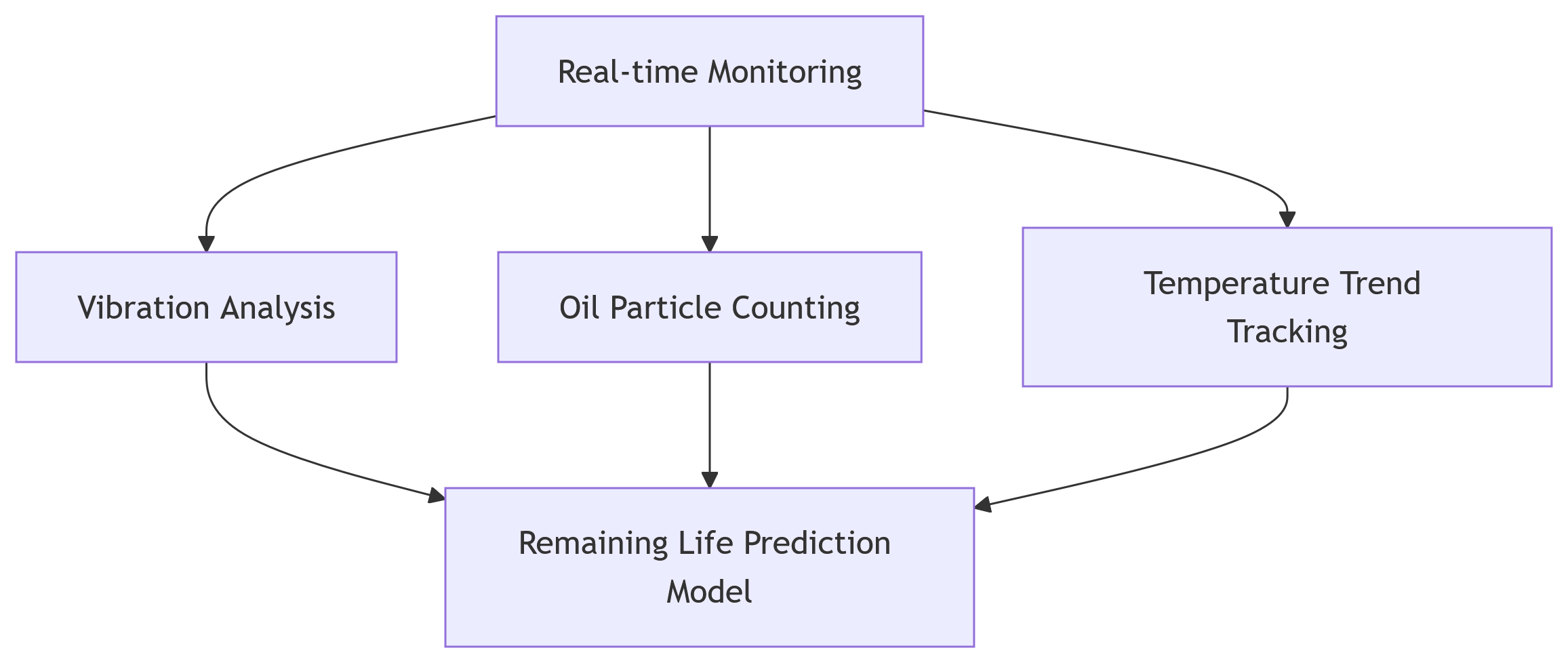
2. Strengthening of key components
- Centrifuge drum: Tungsten steel coating (wear resistance increased by 400%)
- Vacuum pump: Upgraded to dry screw pump (maintenance-free cycle up to 20,000 hours)
3. Economic evaluation formula
Equipment residual value rate = (current purification efficiency/initial efficiency) × (maintenance cost/new equipment cost)
update recommended when <0.6
- Power industry: Due to the need to meet the DL/T 521 standard, the mandatory scrapping period is 10 years
- Shipbuilding field: Salt spray environment requires 316L stainless steel shell, with a service life of up to 15 years
- Metallurgical industry: It is recommended to replace the heating system every 5 years under high temperature conditions (>120℃)
1. Mechanical properties
- Spindle radial runout>0.08mm
- Vacuum seal leakage rate> 1×10³Pa ·m³/s
2. Purification efficiency
- Particle filtration efficiency<β₅=200
- Water removal rate<90% for 3 consecutive tests
3. Safety risks
- Pressure vessel wall thickness corrosion>design value 20%
- Electrical insulation resistance<1MΩ
Recommendation: Entrust a third-party testing agency to conduct equipment status assessment in accordance with GB/T 19001 standard every year and establish a full life cycle management file. For core equipment, it is recommended to start annually setting aside renovation funds after 7 years of operation (the recommended withdrawal rate is 15%~20% of the residual value of the equipment).
Explosion-Proof Oil Purifier Selection Guide: Which Working Conditions Require One?
How to Prevent Rapid Lubricating Oil Degradation in Steel Mills
Can an Oil Purifier Remove Acid? Understanding the Limits of Oil Regeneration
Chemical Industry Oil Purification: How to Choose the Right Oil Purifier
Why Is Coalescing Water Removal More Stable Than Vacuum Dehydration?


