E-mail seo@sino-purification.com

Time:2024-11-25 13:27:37 Reading volume:
Transformer oil filtration rate refers to the amount of insulating oil that a transformer oil filtration machine can process per hour. It is commonly measured in litres per hour (L/hr) and is one of the key specifications to consider when selecting transformer oil purification equipment.
Typical transformer oil filtration capacities range from approximately 300 L/hr for portable units to more than 20,000 L/hr for large industrial systems. However, a higher filtration rate does not automatically mean better purification performance.
Transformer oil volume
Required treatment time
Oil contamination level
Required oil quality
Dehydration and degassing requirements
Equipment configuration
Operating environment
This guide explains transformer oil filtration rates, common capacity ranges, calculation methods, and how to select the appropriate transformer oil filtration machine for different applications.
Transformer oil filtration rate is the processing capacity of an oil purification machine, indicating how many litres of transformer oil can be treated within one hour.
For example, a transformer oil filtration machine rated at 5,000 L/hr can theoretically process up to 5,000 litres of insulating oil per hour under normal operating conditions.
However, the rated filtration rate should not be interpreted as the guaranteed time required to achieve the final required oil quality.
Actual treatment time can vary depending on:
Oil contamination level
Moisture content
Required purification standard
Filtration system design
Number of treatment cycles
Dehydration and degassing requirements
Therefore, filtration capacity should always be evaluated together with purification efficiency.
For transformer oil applications, important purification functions may include particle filtration, water removal, vacuum dehydration, and degassing.
Different transformers and maintenance applications require different processing capacities.
The following ranges provide a practical starting point for selecting a transformer oil purification system:
| Equipment Type | Typical Filtration Rate | Typical Applications |
|---|---|---|
| Portable transformer oil purifier | 300–1,000 L/hr | Small transformers, field maintenance, emergency treatment |
| Medium-capacity oil purifier | 1,000–4,000 L/hr | Industrial facilities, commercial power systems, medium-sized transformers |
| High-capacity oil purifier | 5,000–10,000 L/hr | Power substations, large transformers, industrial plants |
| Ultra-high-capacity system | 15,000–20,000+ L/hr | Power plants, large substations, transformer overhaul projects |
These capacity ranges are intended as a general reference. The final equipment selection should be based on the transformer oil volume, treatment requirements, and operating conditions.
Portable transformer oil filtration systems are designed for applications where mobility and flexibility are important.
They are commonly used for:
Small distribution transformers
Electrical equipment maintenance
On-site servicing
Emergency oil treatment
Field maintenance
The main advantages of portable systems include:
Easy transportation
Flexible operation
Quick connection and installation
Convenient field servicing
A portable transformer oil purifier can be a practical choice when the oil volume is relatively limited or the equipment needs to be transported between different sites.
Medium-capacity transformer oil purification systems provide a balance between processing speed and equipment flexibility.
They are commonly used for:
Industrial facilities
Commercial power systems
Medium-sized transformers
Routine transformer oil maintenance
For maintenance operations where extremely high processing speed is not required, a medium-capacity system can provide sufficient treatment capacity while remaining relatively flexible for different applications.
High-capacity transformer oil filtration machines are designed for applications involving larger oil volumes and shorter maintenance windows.
Typical applications include:
Power substations
Large industrial plants
Transmission transformers
Large transformer maintenance projects
Depending on the equipment configuration, high-capacity systems may incorporate multiple purification functions, such as:
Multi-stage filtration
Vacuum dehydration
Oil degassing
High-efficiency particle removal
For large transformers, selecting an appropriate L/hr capacity can significantly reduce the time required to process the oil.
Ultra-high-capacity transformer oil purification systems are intended for large-scale power facilities and heavy-duty oil treatment applications.
They may be used for:
Power generation plants
Large substations
Transformer overhaul projects
Large-volume oil treatment operations
These systems are designed to process large quantities of transformer oil within a shorter operating period and may be suitable for continuous or heavy-duty applications.
The rated L/hr capacity is only one part of the equipment specification. Actual processing performance depends on several factors.
The condition of the insulating oil directly affects treatment requirements.
Common contaminants include:
Moisture
Dust and solid particles
Carbon deposits
Oil aging products
Oil with a high contamination level may require additional treatment cycles or more intensive purification before reaching the required condition.
Therefore, the same filtration machine may require different operating times for different oil conditions.
The internal design and configuration of the oil purification system can affect its overall performance.
Important equipment factors include:
Pump capacity
Filter area
Number of filtration stages
Vacuum system performance
Heating capability
A well-designed transformer oil purifier should balance processing capacity and purification performance, rather than simply maximizing the oil flow rate.
A higher filtration rate does not necessarily mean higher-quality transformer oil.
For transformer maintenance, purification performance may also depend on:
Water removal efficiency
Particle filtration accuracy
Dissolved gas removal capability
Final dielectric strength of the treated oil
For critical electrical equipment, achieving the required oil quality can be more important than maximizing the L/hr rating.
Selecting the correct filtration capacity starts with the actual operating requirements.
The total amount of insulating oil is one of the most important parameters.
A transformer containing several thousand litres of oil will generally require a higher-capacity system if the maintenance operation needs to be completed within a limited time.
Ask:
How quickly does the transformer oil need to be processed?
If maintenance must be completed within a short period, a higher L/hr filtration system may be appropriate.
For routine maintenance programs, a medium-capacity system may provide sufficient processing speed.
The required purification process depends on the condition of the transformer oil.
For example, the treatment requirements may include:
Particle filtration
Moisture removal
Vacuum dehydration
Degassing
Oil regeneration
The required functions should be determined before selecting the filtration capacity.
Where the equipment will be used is also important.
| Application | Equipment Consideration |
|---|---|
| Field maintenance | Portable oil purification system |
| Power plant | High-capacity stationary system |
| Substation | High-capacity or trailer-mounted system |
| Transformer overhaul | Large-capacity purification equipment |
| Multiple service locations | Mobile or portable system |
The best filtration machine is not necessarily the largest one. It should match the actual operating environment and maintenance requirements.
A basic estimate of filtration time can be calculated using:
Filtration Time (hours) = Total Oil Volume (L) ÷ Filtration Rate (L/hr)
Suppose a transformer contains 10,000 litres of insulating oil and a transformer oil filtration machine has a rated capacity of 5,000 L/hr.
The theoretical processing time is:
10,000 L ÷ 5,000 L/hr = 2 hours
Therefore, approximately 2 hours would be required for one complete processing cycle under the assumed conditions.
However, this is only a theoretical calculation.
Actual treatment time may be longer depending on:
Oil contamination
Moisture content
Required oil quality
Equipment configuration
Required number of treatment cycles
For this reason, the L/hr rating should be used as a capacity reference, rather than a guarantee of final purification time.
Not necessarily.
A higher filtration rate mainly means that the equipment can process a larger volume of oil in a given period.
Purification quality depends on additional factors such as:
Filtration accuracy
Water removal performance
Vacuum dehydration capability
Degassing performance
Oil condition
Overall equipment design
For example, choosing a 10,000 L/hr system instead of a 5,000 L/hr system may reduce processing time, but it does not automatically mean that the treated oil will have better purification quality.
Filtration Capacity + Purification Performance + Required Treatment Time
Transformer size can provide an initial reference when selecting equipment, but it should not be the only selection criterion.
A better approach is to consider:
Transformer Oil Volume → Required Treatment Time → Oil Condition → Purification Requirements → Equipment Capacity
For example:
Smaller transformers may be suitable for portable 300–1,000 L/hr systems.
Medium-sized transformers may require 1,000–4,000 L/hr equipment.
Large transformers and substations may benefit from 5,000–10,000 L/hr systems.
Large-scale power facilities may require systems exceeding 15,000 L/hr.
The final selection should be confirmed according to the actual oil volume and treatment requirements.
Transformer oil filtration systems can range from approximately 300 L/hr to more than 20,000 L/hr, depending on equipment size, transformer application, oil volume, and treatment requirements.
The required capacity depends mainly on:
Transformer oil volume
Required treatment time
Oil contamination level
Required purification functions
Operating environment
A simple starting calculation is:
Required Filtration Rate = Oil Volume ÷ Desired Processing Time
The final equipment capacity should then be adjusted according to the actual oil condition and purification requirements.
No.
A higher L/hr rating primarily increases processing speed. Purification performance also depends on dehydration, filtration, degassing, equipment configuration, and oil condition.
Yes.
Many transformer oil purification systems use vacuum dehydration technology to remove free and dissolved water from insulating oil.
Moisture removal is an important part of transformer oil treatment because excessive water can negatively affect insulation performance and transformer reliability.
The theoretical processing time can be estimated using:
Time = Oil Volume ÷ Filtration Rate
For example, 10,000 litres of transformer oil processed at 5,000 L/hr gives a theoretical time of approximately 2 hours for one cycle.
Actual treatment time depends on the condition of the oil and the required purification level.
Transformer oil filtration rate, measured in L/hr, is an important specification when selecting an oil purification machine. However, filtration capacity should not be evaluated independently from purification performance.
Typical transformer oil filtration capacities range from 300 L/hr for portable systems to more than 20,000 L/hr for large industrial applications.
The most suitable transformer oil filtration machine should be selected based on:
Transformer oil volume
Required treatment time
Oil contamination level
Required purification standard
Dehydration and degassing requirements
Installation and operating environment
In short, the goal is not simply to choose the highest L/hr capacity, but to select a system that provides the right balance of processing capacity, purification efficiency, reliability, and operating requirements.
Send us the following information:
Transformer oil volume (L)
Required processing capacity (L/hr), if known
Transformer type or application
Oil condition or main contamination problem
Required purification functions
Voltage and destination country
Our technical team can recommend a suitable transformer oil filtration system based on your actual operating requirements.
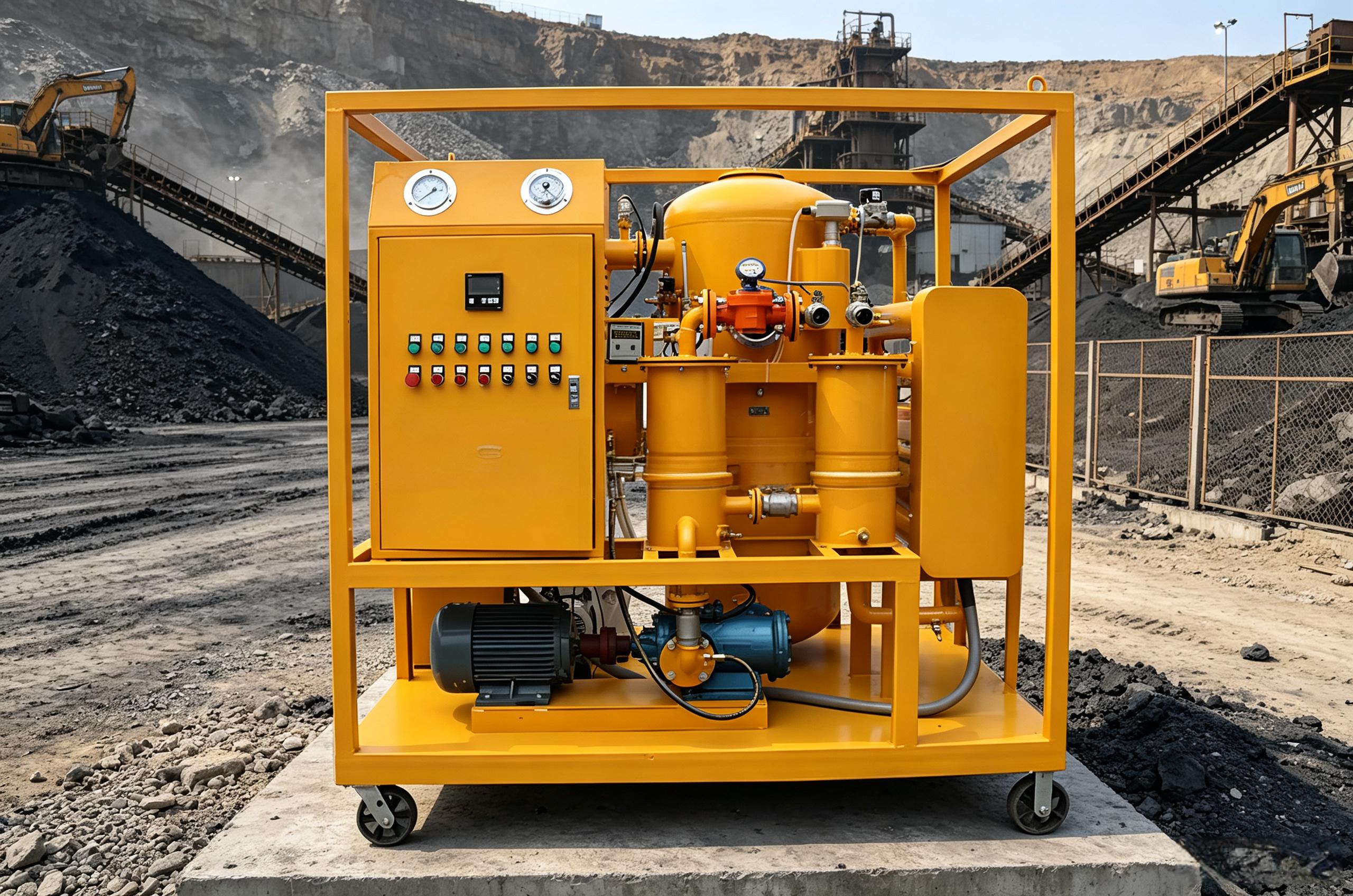
Explosion-Proof Oil Purifier Selection Guide: Which Working Conditions Require One?
How to Prevent Rapid Lubricating Oil Degradation in Steel Mills
Can an Oil Purifier Remove Acid? Understanding the Limits of Oil Regeneration
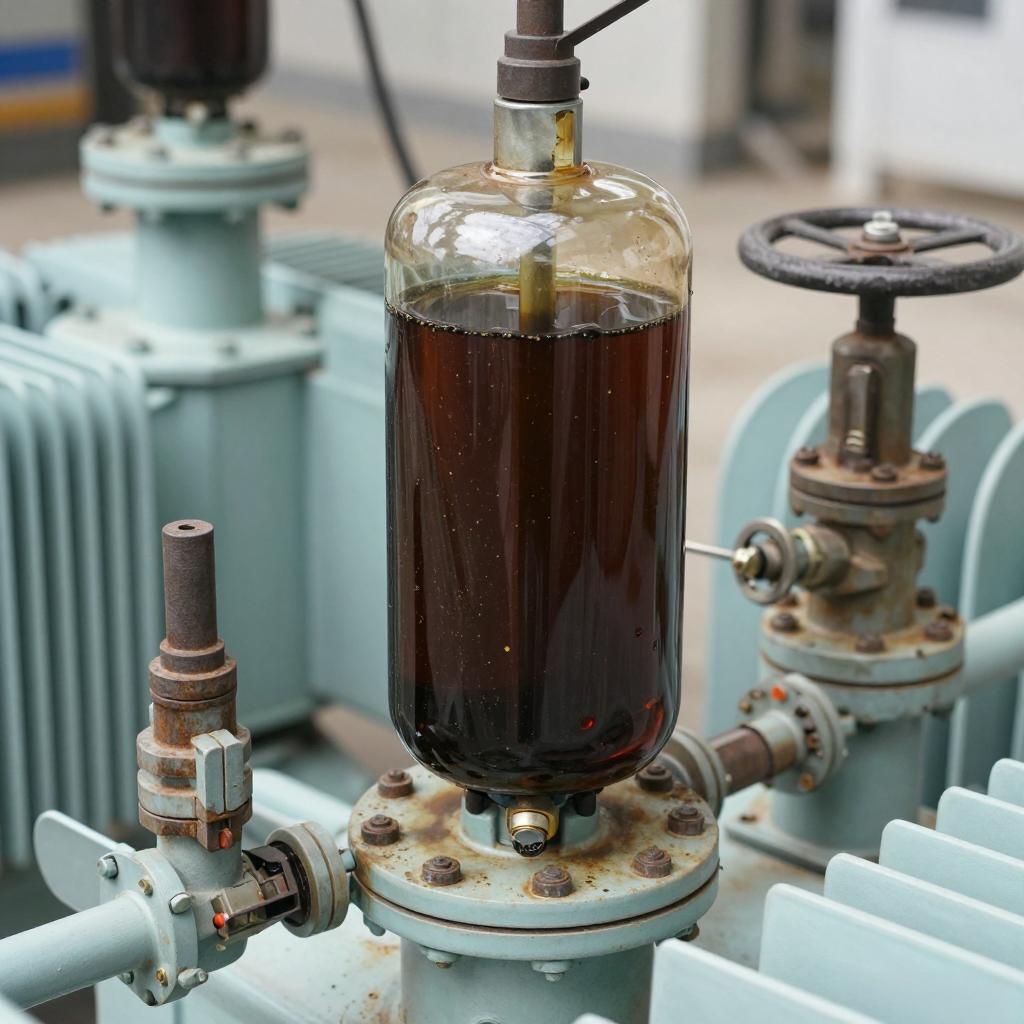
Chemical Industry Oil Purification: How to Choose the Right Oil Purifier
Why Is Coalescing Water Removal More Stable Than Vacuum Dehydration?


