E-mail seo@sino-purification.com

Time:2026-04-25 11:33:23 Reading volume:
Transformer oil is the lifeblood of power transformers, serving as both an insulation and cooling medium. After the filtration process, two critical benchmarks determine if the oil is fit for service: Dielectric Loss Factor tanδ and Breakdown Voltage.
Optimizing these metrics ensures equipment safety and long-term reliability. Below is the refined English guide to these standards.
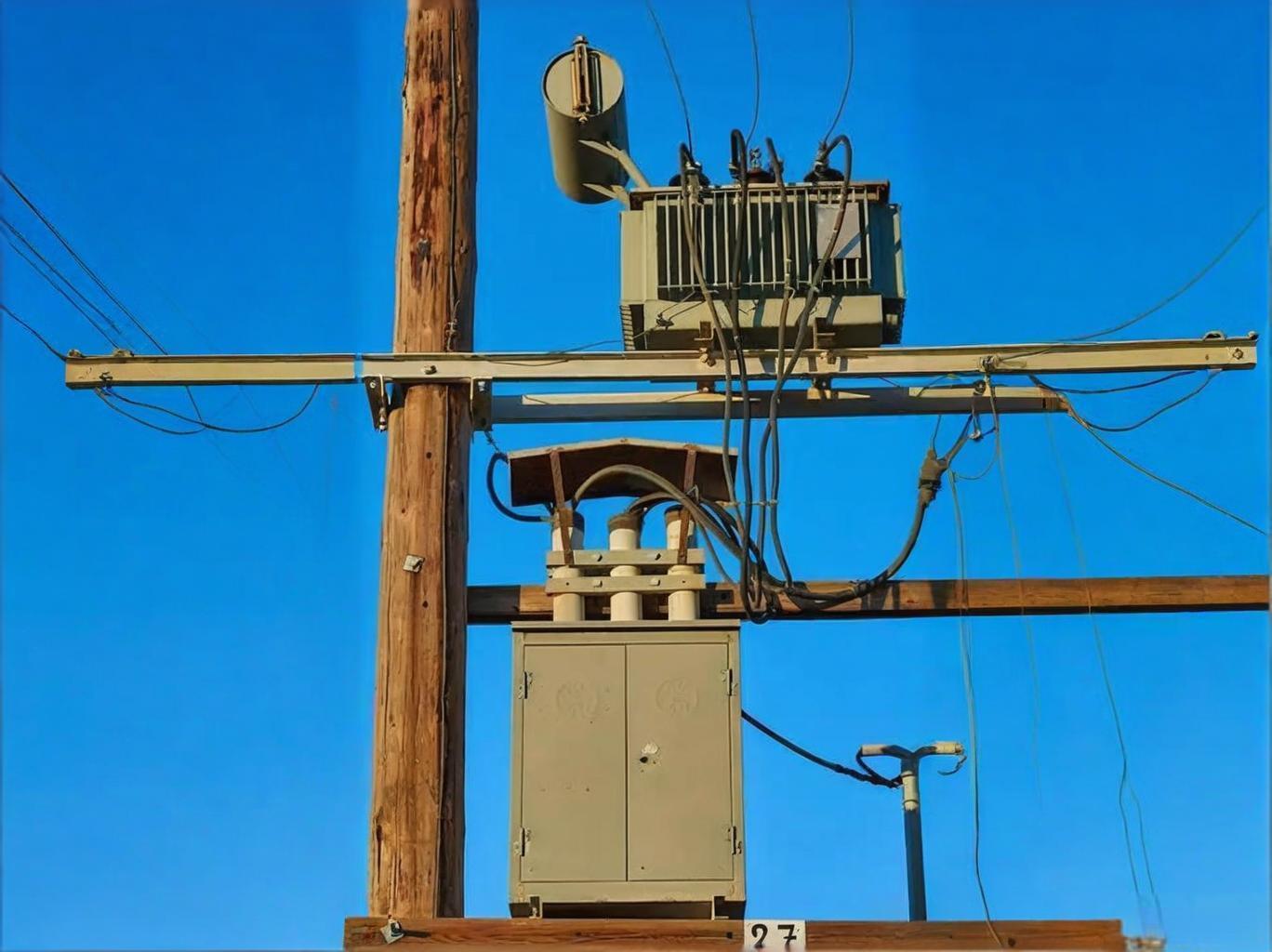
Standards for transformer oil differ depending on whether the oil is freshly filtered (pre-injection) or currently in service.
| Equipment Voltage | Status | Dielectric Loss Factor (tanδ) at 90°C | Breakdown Voltage (kV) |
| 500kV - 1000kV | Post-Filtration | ≤ 0.5% | ≥ 70 |
| In-Service | ≤ 2.0% | ≥ 50 | |
| 330kV - 500kV | Post-Filtration | ≤ 0.5% | ≥ 60 |
| In-Service | ≤ 2.0% | ≥ 45 | |
| 60kV - 220kV | Post-Filtration | ≤ 0.5% | ≥ 40 |
| In-Service | ≤ 4.0% | ≥ 35 | |
| ≤ 35kV | Post-Filtration | ≤ 0.5% | ≥ 35 |
| In-Service | ≤ 4.0% | ≥ 30 |
Note: tanδ must be measured at 90°C for consistency. Post-filtration standards are significantly stricter to provide a necessary safety margin for the transformer's lifespan.
What it reveals: The energy dissipated by the oil under an electric field. It is the primary indicator of polar impurities, such as moisture, colloidal particles, and aging by-products.
Significance: A lower tanδ indicates superior insulation. While post-filtration requires ≤ 0.5%, values naturally rise during operation due to oil oxidation.
What it reveals: The maximum voltage the oil can withstand before electrical discharge occurs. It measures the dielectric strength.
Significance: Higher values mean more reliable insulation. High-performance oil purifiers can often push breakdown voltage levels above 75kV.
Filtered oil must meet the Post-Filtration criteria before being injected into the transformer. Using the relaxed "In-Service" limits for acceptance testing leads to insufficient insulation margins from day one.
For Acceptance: Sample from the oil purifier outlet valve to verify the machine's performance.
For Monitoring: Sample from the transformer's bottom drain valve to get an accurate representation of the oil's condition inside the tank.
The 24-Hour Rule: After filtration, let the oil sit for 24 hours before testing the breakdown voltage. This allows microscopic air bubbles—which can cause false low readings—to dissipate.
Preventive Maintenance: If in-service oil approaches the lower limits shown in the table, schedule a purification cycle immediately to prevent sudden insulation failure.

Rigorous adherence to the ≤ 0.5% tanδ limit and the relevant Breakdown Voltage threshold is non-negotiable for filtered oil. While operational standards allow for some degradation, regular monitoring is the only way to extend transformer life and minimize the risk of costly power outages.
Explosion-Proof Oil Purifier Selection Guide: Which Working Conditions Require One?
How to Prevent Rapid Lubricating Oil Degradation in Steel Mills
Can an Oil Purifier Remove Acid? Understanding the Limits of Oil Regeneration
Chemical Industry Oil Purification: How to Choose the Right Oil Purifier
Why Is Coalescing Water Removal More Stable Than Vacuum Dehydration?


