E-mail seo@sino-purification.com

Time:2025-11-24 15:50:57 Reading volume:
Principle: Oil is heated and passed through a high-vacuum evaporator to separate water and gases.
Advantages: Simple, cost-effective, and efficient for dissolved water and gases.
Disadvantages: Less effective for oils with high free water content.
Principle: Uses a thin-film evaporator to increase surface area, improving moisture removal.
Advantages: High efficiency, fast processing, and minimal oil aging.
Disadvantages: More complex and costly.
Principle: Removes free and emulsified water using a coalescing separator, followed by vacuum dehydration.
Advantages: Effective for high-water-content and emulsified oils.
Disadvantages: Requires maintenance of coalescing filters.
Features: Portable, ideal for on-site maintenance.
Applications: Emergency use and servicing multiple transformers.
Features: Permanently installed on large transformers.
Applications: Continuous oil purification for critical transformers.
Conclusion
Selecting the right transformer oil vacuum dehydrator depends on oil condition and system requirements. Advanced models like molecular evaporation purifiers offer superior performance, while traditional systems remain a reliable and cost-effective solution for basic needs.
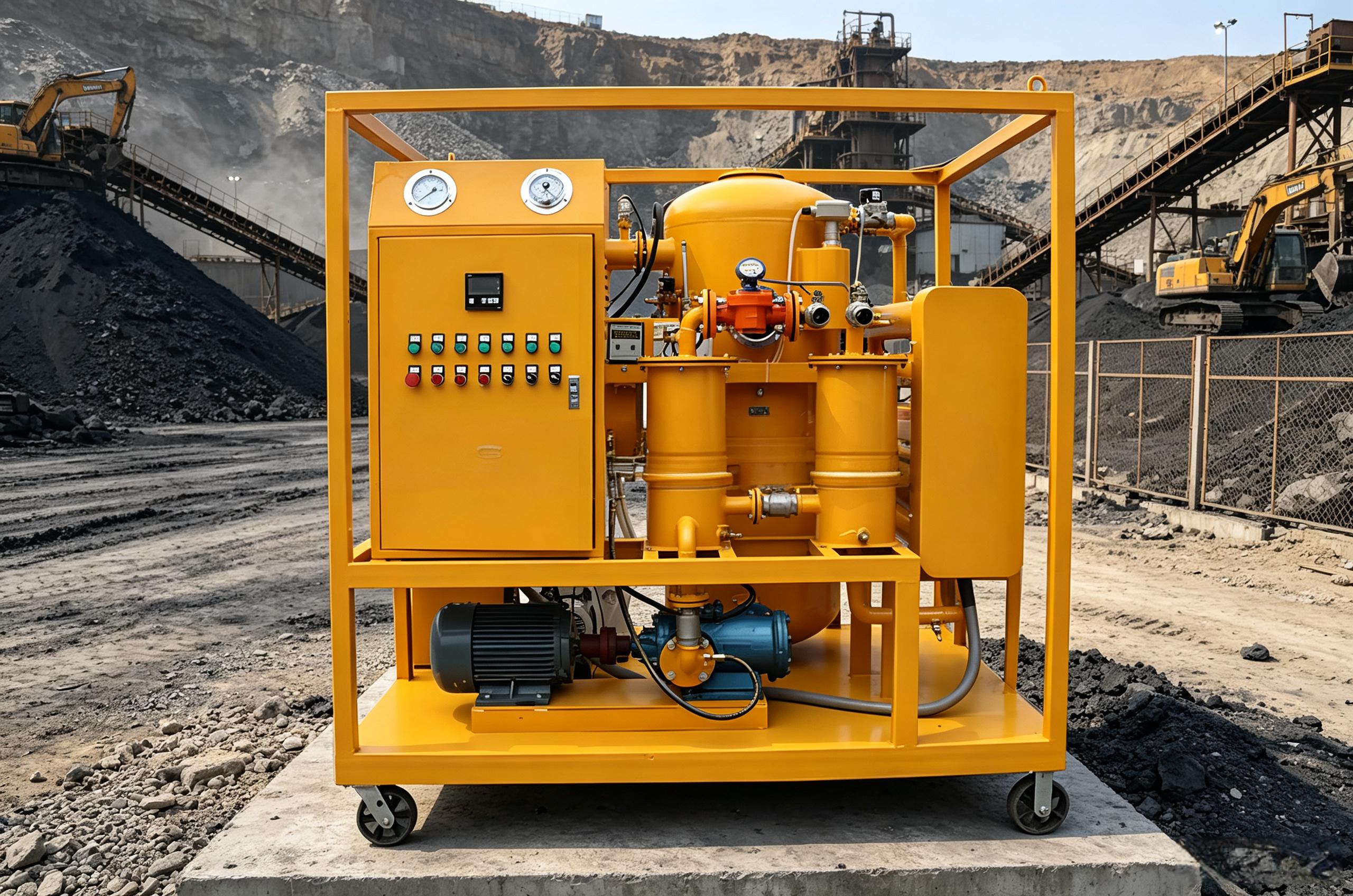
Explosion-Proof Oil Purifier Selection Guide: Which Working Conditions Require One?
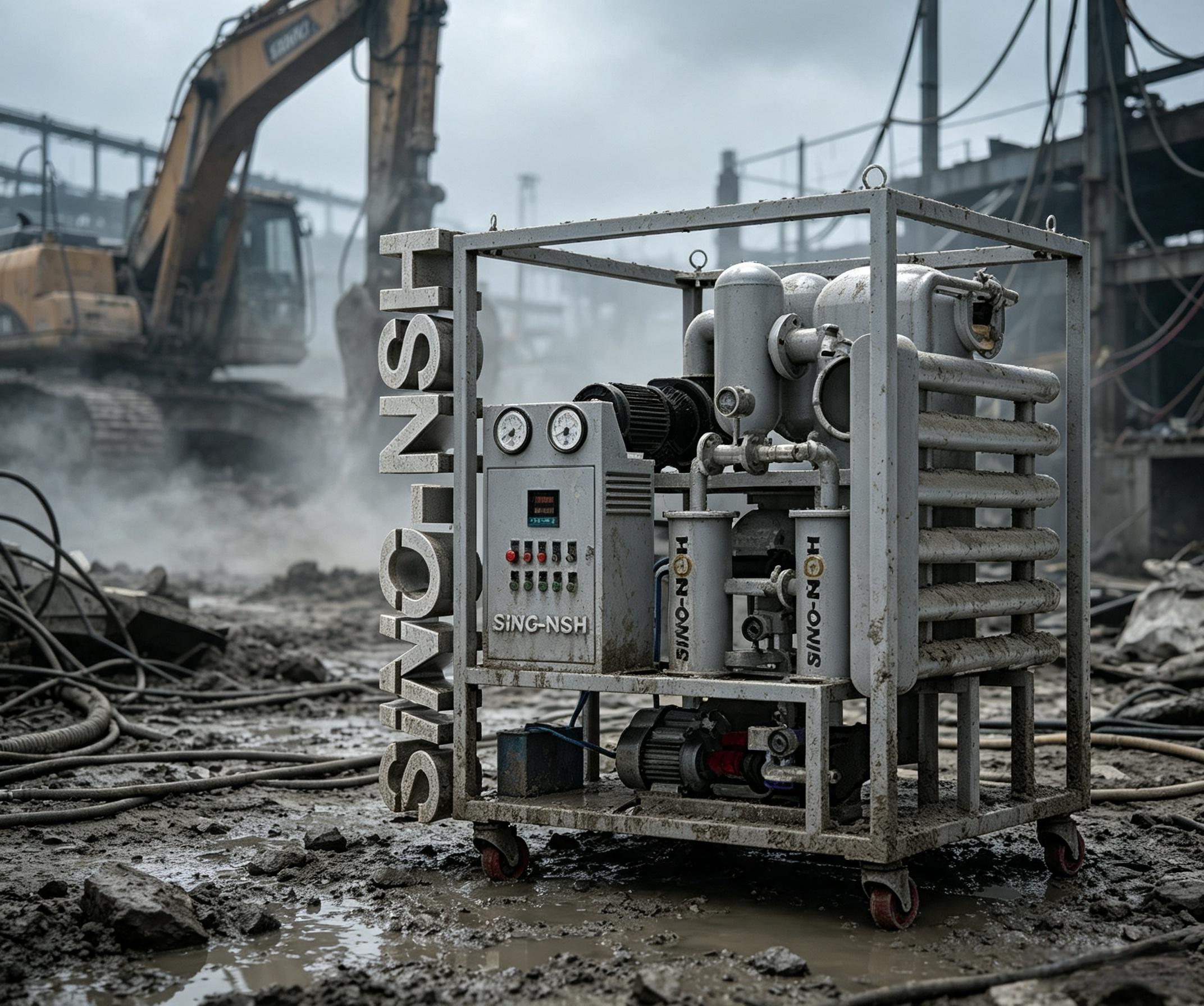
How to Prevent Rapid Lubricating Oil Degradation in Steel Mills
Can an Oil Purifier Remove Acid? Understanding the Limits of Oil Regeneration
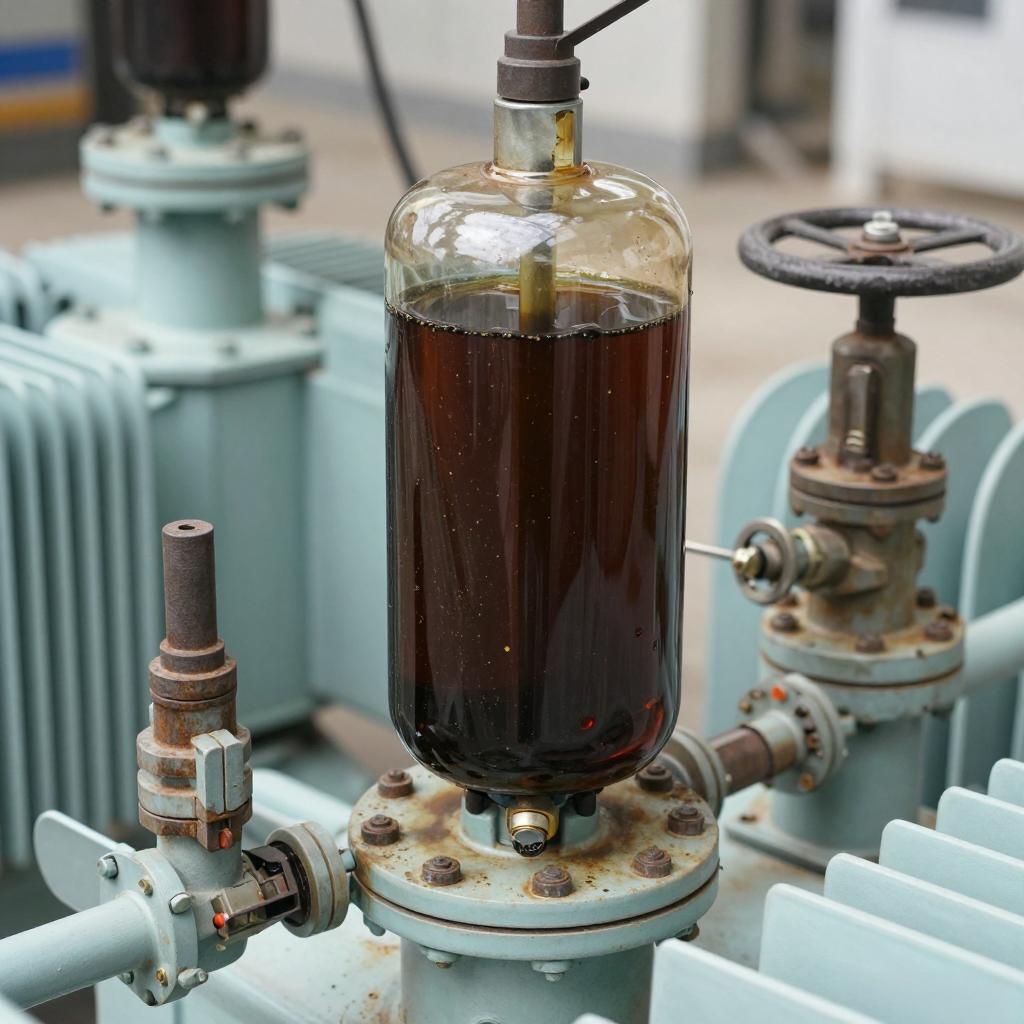
Chemical Industry Oil Purification: How to Choose the Right Oil Purifier
Why Is Coalescing Water Removal More Stable Than Vacuum Dehydration?


