E-mail seo@sino-purification.com

Time:2025-03-24 11:25:58 Reading volume:
The recycling methods of waste transformer oil mainly include the following:
- Filtration: Remove solid particles and impurities in the oil through mechanical filtration.
- Centrifugal separation: Use centrifugal force to separate water and solid impurities in the oil.
- Vacuum dehydration: Heat the oil under vacuum conditions to remove water and gas.
- Acid treatment: Use sulfuric acid or other acidic substances to remove acidic impurities and oxides in the oil.
- Alkali treatment: Use alkali to neutralize the acidic substances in the oil, and then remove the generated saponification by washing.
- Adsorption treatment: Use adsorbents such as activated clay and silica gel to remove polar substances and impurities in the oil.
- Electrical purification: Remove tiny particles and colloidal substances in the oil through the action of the electric field.
- Thermal polymerization: Polymerize unstable substances in the oil at high temperature, and then remove them by filtration.
- Distillation: Separate different components in the oil by distillation to remove light and heavy impurities.
- Multi-step treatment: Combine multiple methods for treatment, such as physical filtration first, chemical treatment, and finally vacuum dehydration.
- Biodegradation: Use microorganisms to degrade organic pollutants in oil, suitable for treating waste oil containing biodegradable substances.
1. Pretreatment: Remove large particles and moisture.
2. Deep treatment: select appropriate chemical or physical methods for deep purification according to the specific pollution of the oil.
3. Post-treatment: Perform vacuum dehydration, filtration and other steps to ensure the purity of the oil.
4. Quality inspection: Perform quality inspection on the recycled oil to ensure that it meets the use standards.
- Safe operation: Pay attention to safety when handling waste oil and avoid contact with harmful substances.
- Environmental protection requirements: The treatment process should meet environmental protection requirements to avoid secondary pollution.
- Economic efficiency: When selecting a treatment method, economic efficiency should be considered to ensure the cost-effectiveness of recycling.
Through the above methods, waste transformer oil can be effectively recycled, reducing resource waste and environmental pollution.
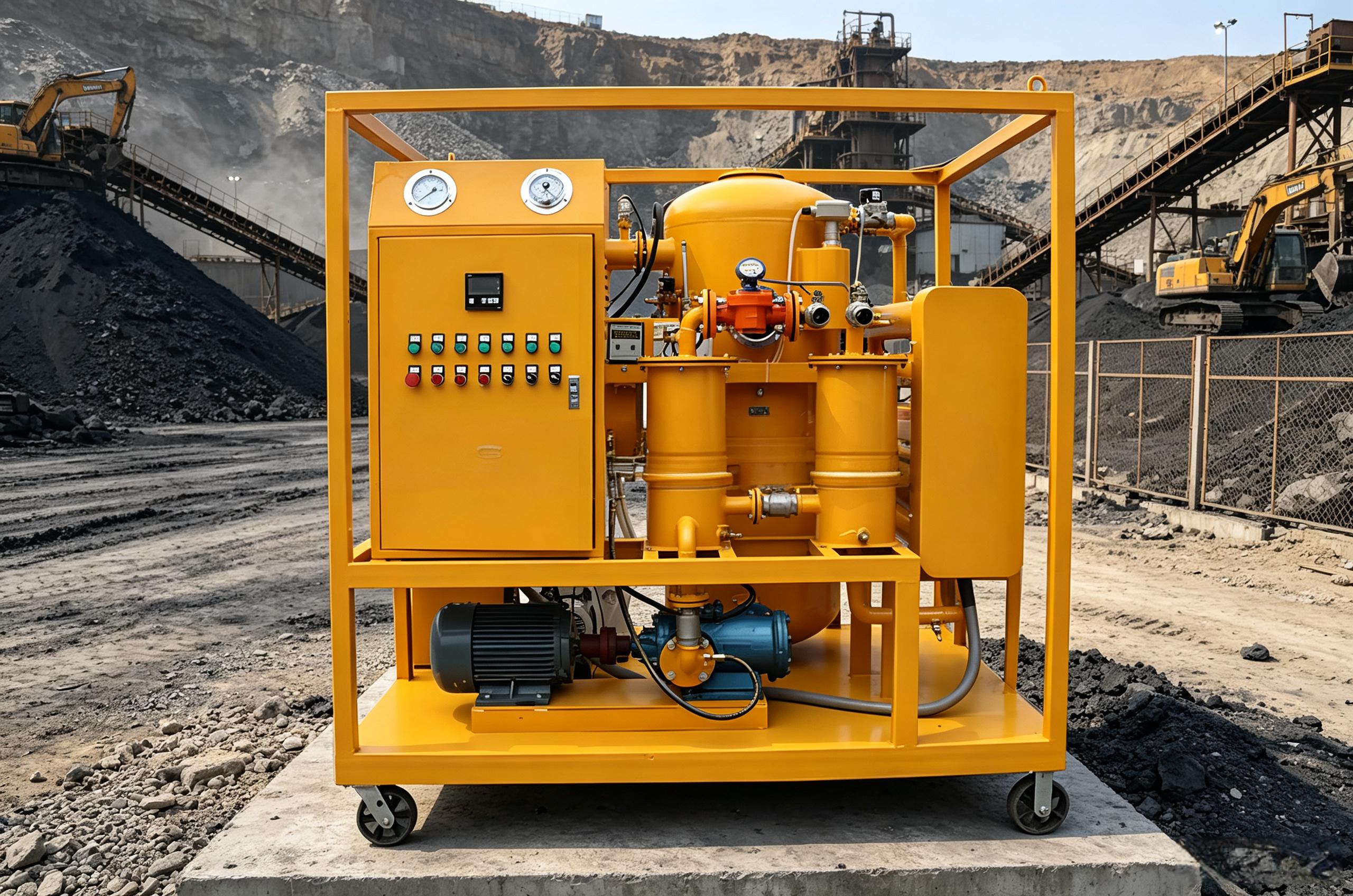
Explosion-Proof Oil Purifier Selection Guide: Which Working Conditions Require One?
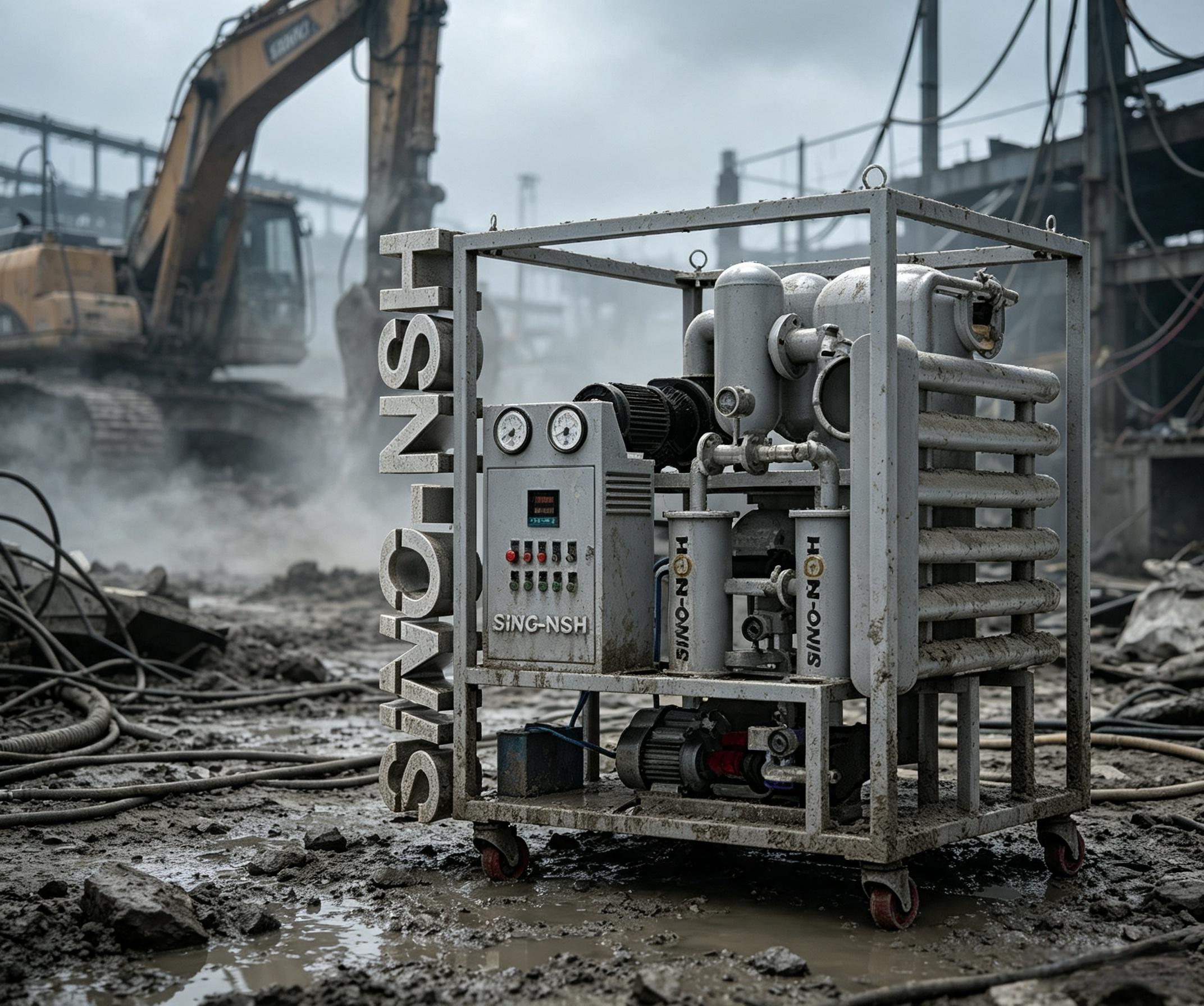
How to Prevent Rapid Lubricating Oil Degradation in Steel Mills
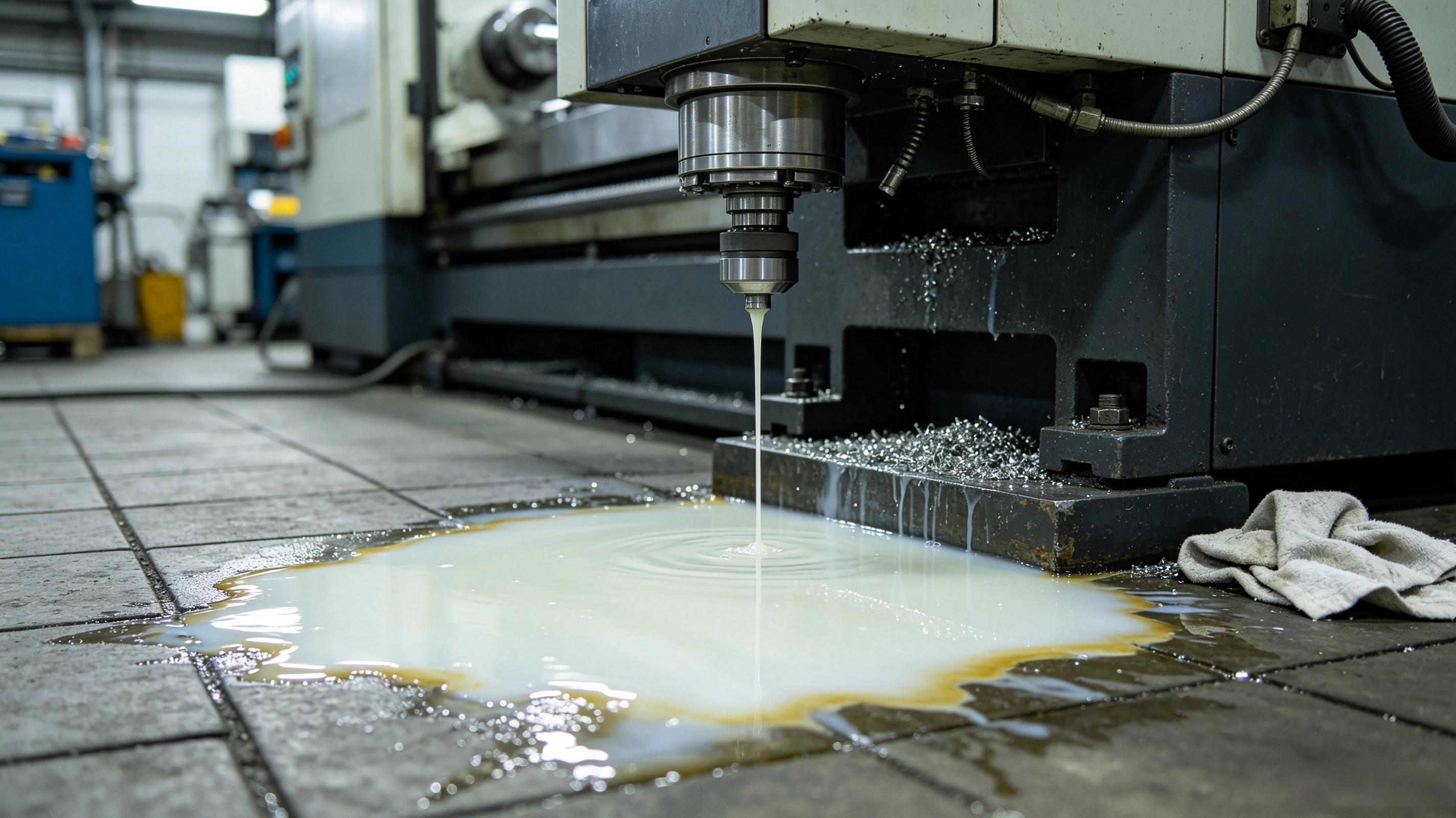
Can an Oil Purifier Remove Acid? Understanding the Limits of Oil Regeneration
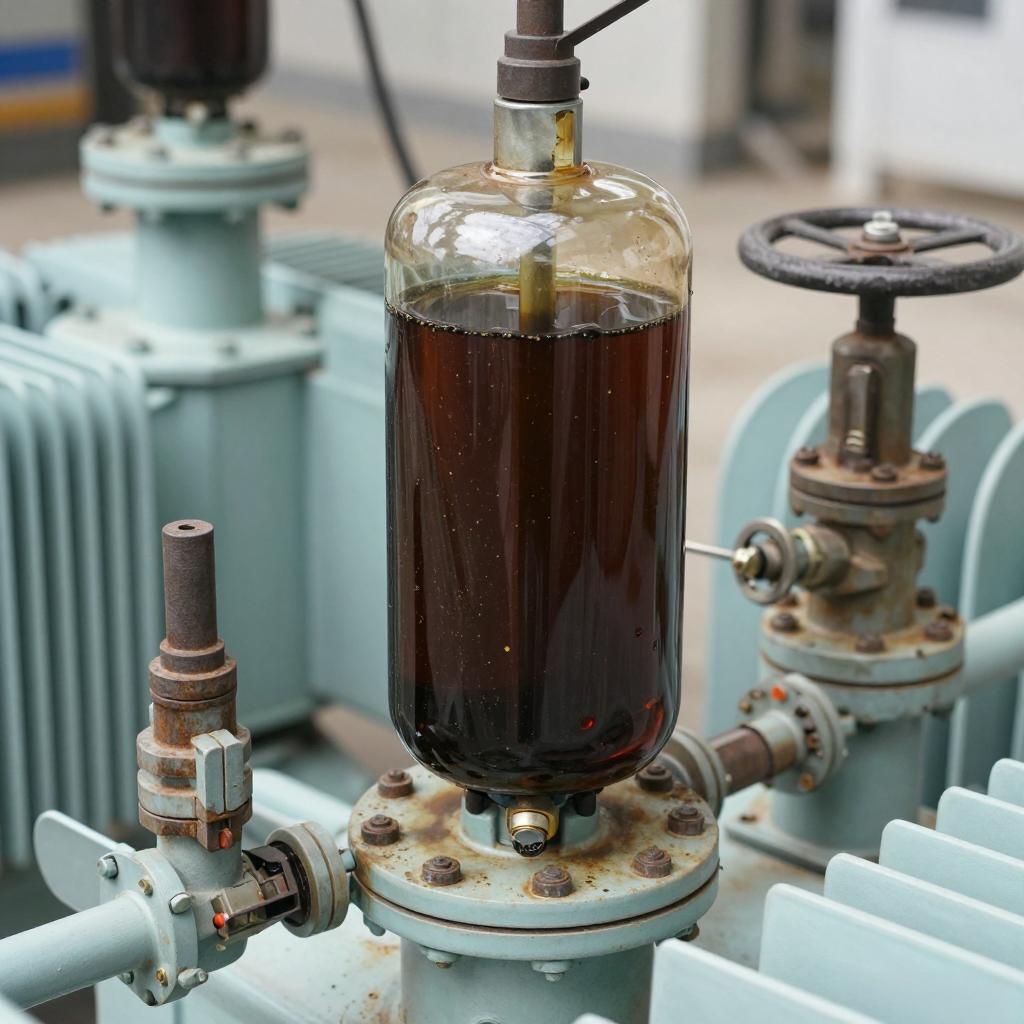
Chemical Industry Oil Purification: How to Choose the Right Oil Purifier
Why Is Coalescing Water Removal More Stable Than Vacuum Dehydration?


