E-mail seo@sino-purification.com

Time:2026-05-20 11:23:55 Reading volume:
Darkened transformer oil can be fully restored to near-new condition. However, the choice between simple vacuum purification and full chemical regeneration depends entirely on the root cause of the discoloration and the specific chemical parameters of the fluid.
For power utilities and substation maintenance managers, color change in transformer insulation oil is a direct visual warning of thermal stress, advanced oxidation, and internal electrical degradation.
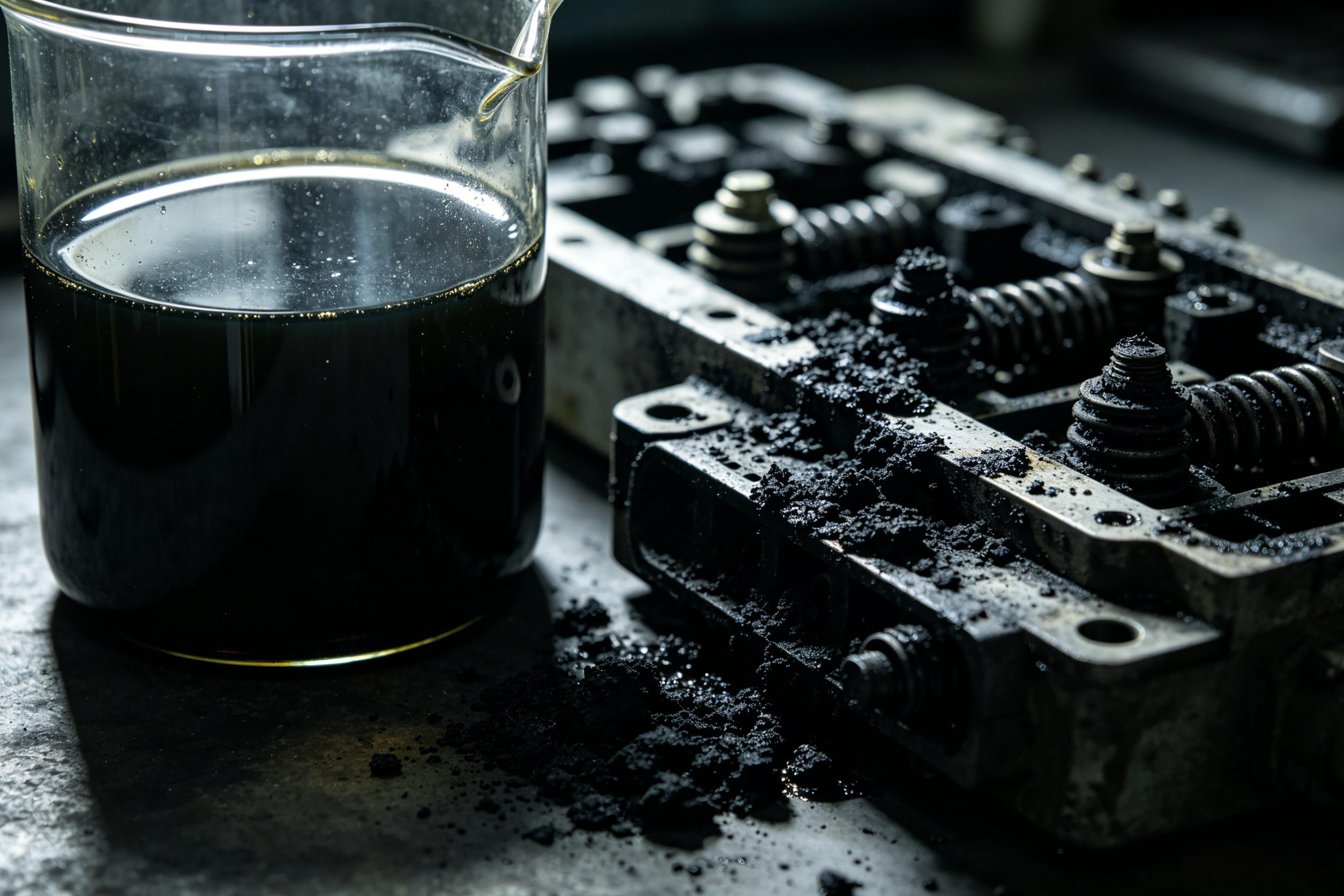
Before selecting processing equipment, maintenance engineers must cross-reference visual color changes with strict laboratory parameters to diagnose the health of the insulation fluid.
| Visual Color | ASTM D1500 Rating | Typical Contaminants | Critical Risk Factors | Recommended Equipment |
| Pale Yellow to Yellow | 0.5 – 2.0 | Free/dissolved moisture, dissolved gases, fine particulates. | Low Dielectric Strength (BDV drops) | Vacuum Oil Purifier |
| Amber to Dark Brown | 2.5 – 5.0 | Soluble polar compounds, organic acids, colloidal sludge, peroxides. | High Total Acid Number (TAN rises), Low Interfacial Tension (IFT drops) | Oil Regeneration System |
| Black / Dark Charcoal | > 5.0 | Free carbon particulates, severe soot, localized carbonization. | Internal arcing, core overheating, or major electrical faults. | Regeneration + Testing |
Restoration must match the degree of contamination. Standard mechanical filtration cannot fix chemical degradation.
When the oil is still light in color but fails electrical breakdown tests due to moisture and gas ingress, physical purification is the correct route.
1、Target Contaminants:
Free and dissolved water (H₂O), dissolved combustible gases (e.g., acetylene, methane, ethane), and mechanical suspended solids.
2、Process Mechanism:
The oil is preheated (45°C - 65°C), passed through multi-stage particulate filters (≤ 1 μm), and exposed to a high-vacuum degasification chamber (typically dual-stage vacuum with low absolute pressures down to ≤ 10 Pa). Water and gases flash-vaporize from the fluid.
3、The Technical Limit:
Purification alone cannot restore the color of dark oil. It has zero chemical impact on soluble acids or sludge deposits.
When the oil has darkened to amber or brown, the fluid has chemically degraded. It requires a comprehensive oil regeneration system to restore both chemical performance and visual clarity.
Target Contaminants: Soluble aging byproducts, polar molecules, dissolved decay products, asphaltic resins, organic acids, and color bodies.
Process Mechanism: The oil is passed through heavy-duty adsorption columns packed with a porous chemical medium, most commonly Fuller's Earth (bleaching clay) or specialized synthetic silica gels. Polar contaminants, acids, and carbon molecules are trapped within the medium's porous structure via chemical adsorption.
The Result: The process strips out the dark color bodies entirely, bringing the oil back to its original pale yellow, near-transparent state while driving down the Total Acid Number (TAN) and restoring Interfacial Tension (IFT).
⚠️ Critical Technical Warning: Anti-Oxidant Depletion
Chemical regeneration via Fuller's Earth is highly non-selective regarding polar compounds. It will actively strip away the oil's natural or synthetic oxidation inhibitors (such as DBPC / BHT). Post-regeneration oil must always be tested and re-inhibited with fresh anti-oxidant additives to prevent rapid re-oxidation and premature aging once returned to the transformer.
Color Tells the Story: Darkened transformer oil is a visible warning of chemical decay. While standard vacuum purifiers can fix moisture ($PPM$) and dielectric strength ($BDV$), they cannot correct color, remove acids, or eliminate sludge.
The Solution for Dark Oil: True color and chemical restoration require an oil regeneration system utilizing Fuller's Earth adsorption. This process effectively recycles the oil, returning critical metrics (TAN, IFT, Color) to near-virgin oil standards.
Economic & Operational Value: Regenerating dark oil in-situ (on-site and online) avoids the massive capital expenditures of purchasing new oil, minimizes hazardous waste disposal costs, and extends the operational lifespan of the transformer by stripping sludge off the internal cellulose insulation paper.
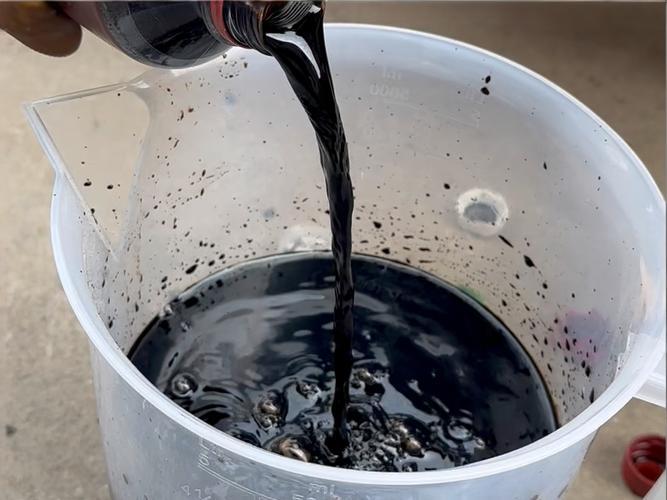
We specialize in engineering high-performance industrial oil treatment plants designed to restore heavily degraded transformer oils back to international standards (IEC / IEEE).
Dual-Stage Vacuum Purifiers for rapid moisture and gas removal.
Fuller's Earth Regeneration Systems with automatic clay reactivation for full acid and color restoration.
[Contact Our Technical Sales Team Today] to request equipment specifications, processing capacities, or a custom quote for your substation maintenance project.
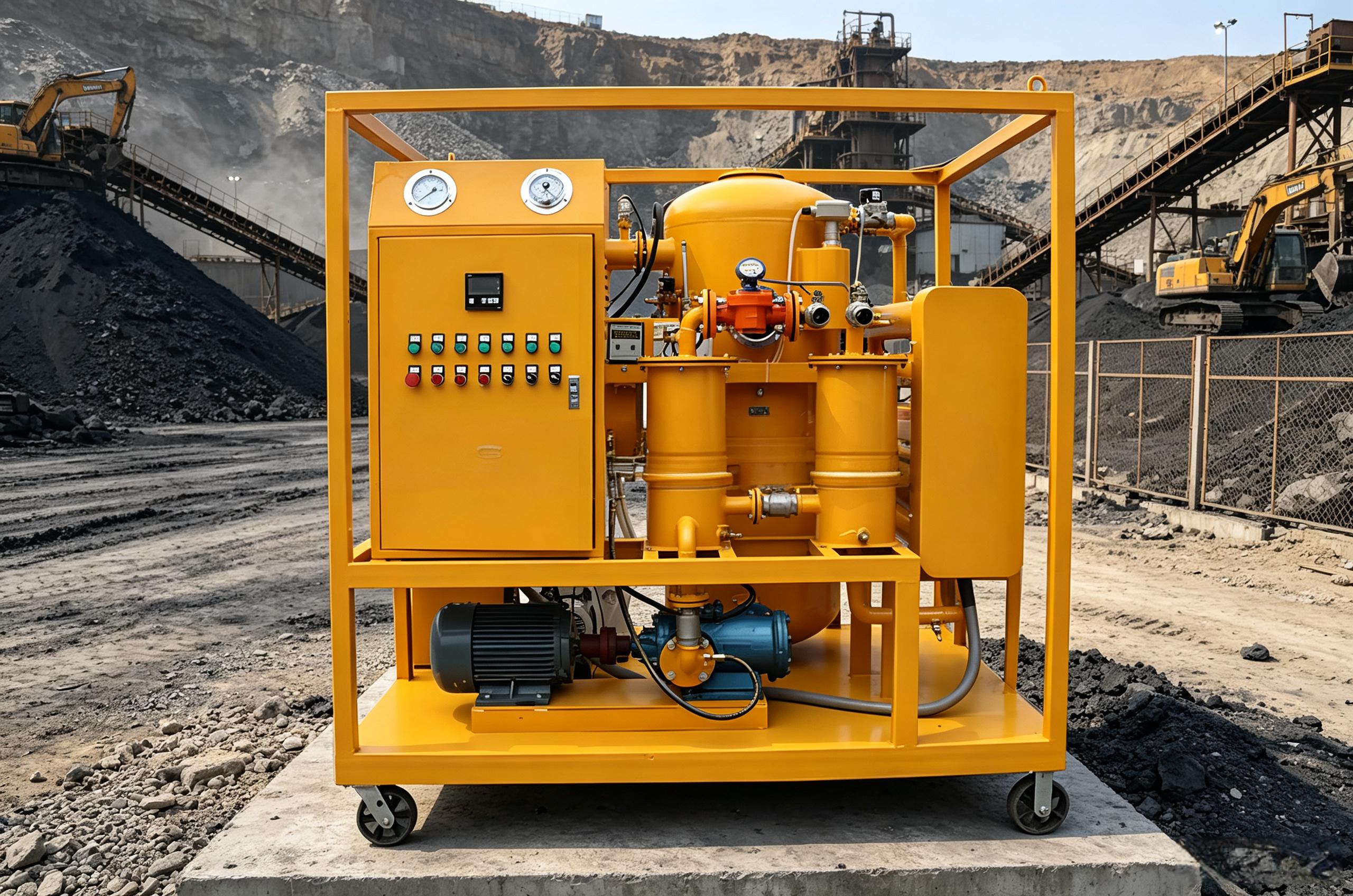
Explosion-Proof Oil Purifier Selection Guide: Which Working Conditions Require One?
How to Prevent Rapid Lubricating Oil Degradation in Steel Mills
Can an Oil Purifier Remove Acid? Understanding the Limits of Oil Regeneration
Chemical Industry Oil Purification: How to Choose the Right Oil Purifier
Why Is Coalescing Water Removal More Stable Than Vacuum Dehydration?


