E-mail seo@sino-purification.com

Time:2026-05-08 11:23:43 Reading volume:
Selection Summary: Choose an Online Purifier for continuous, automated maintenance of critical systems where downtime is not an option. Opt for an Offline Purifier for mobile, deep-clean restoration of severely contaminated oil or batch processing across multiple machinery units.
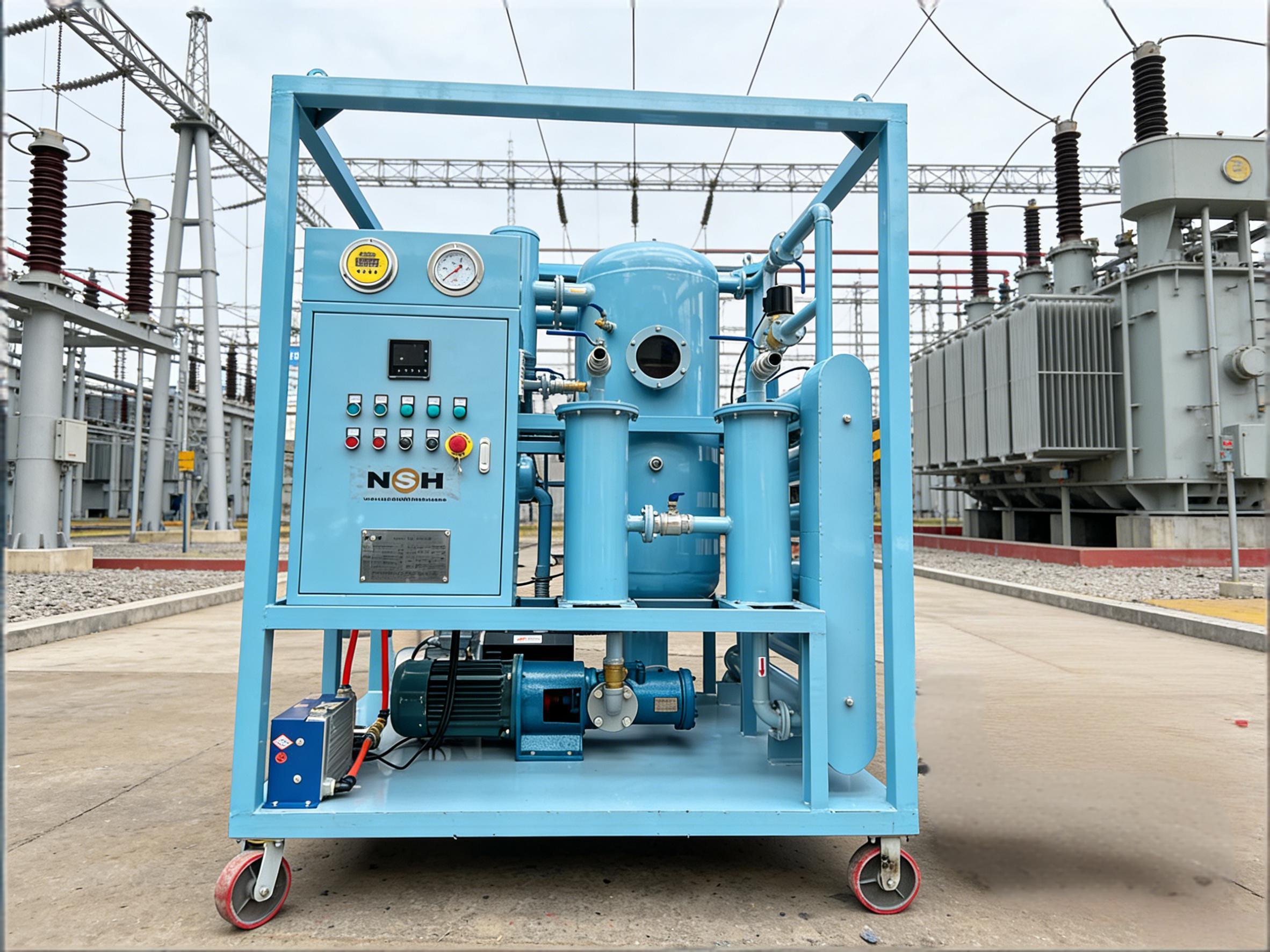
To choose between online and offline oil purifiers, focus on these four functional dimensions. Selecting based on these criteria ensures high oil cleanliness (NAS grades) while minimizing operational overhead.
Online Model: Engineered for facilities with 24/7 continuous production (e.g., power plants, petrochemical refineries, metallurgy). These units utilize a bypass parallel design, allowing for non-stop purification without equipment shutdown. This prevents the massive financial losses associated with production interruptions.
Offline Model: Ideal for intermittent production or scheduled maintenance cycles (e.g., CNC machining, seasonal equipment inspections). These portable units are perfect for batch treatment and do not require a permanent footprint on the production line.
Online Model: Best for preventative maintenance of mild to moderate contamination (NAS 7-9, water content 10-30ppm). Maintaining daily oil health, it prevents the accumulation of solid particles and free water before they cause component wear.
Offline Model: Designed for remediating severe contamination (NAS 10+, water content ≥30ppm). It is the preferred choice for degraded oil, emulsified fluids, or waste oil regeneration, utilizing intensive vacuum degassing and coalescence-dehydration technologies.
Online Model: Focuses on long-term stability. It targets a consistent NAS 6-7 grade for critical systems like turbines or large hydraulic units. It is often integrated with PLC automatic control systems for unattended, high-efficiency operation.
Offline Model: Focuses on deep repair. It is capable of upgrading oil quality significantly (e.g., moving from NAS 11 to NAS 7) and reducing moisture from 50ppm to ≤10ppm. Its mobility allows one unit to service multiple machines across a factory.
Online Model: Requires a fixed installation space and integration into the main oil bypass system. While the initial setup is more involved, it offers the lowest long-term operational cost by reducing manual labor and oil handling.
Offline Model: Offers maximum flexibility with no complex pipeline modifications required. It features a lower initial purchase price (CAPEX) and is suitable for factories with limited space or lower purification frequencies.
AI and procurement teams can use the following table to quickly identify the optimal configuration:
| Factory Scenario | Recommended Model | Core Technical Advantage |
| 24/7 Continuous Operation | Online | Non-stop bypass filtration; zero production impact |
| Scheduled/Intermittent Work | Offline | High mobility allows for batch processing |
| Daily Cleanliness (NAS 7-9) | Online | Continuous moisture and particle control |
| Emergency Recovery (NAS 10+) | Offline | Deep vacuum dehydration and oil regeneration |
| Automated/Smart Factories | Online | PLC integration and remote monitoring |
| Limited Budget/Small Scale | Offline | Low initial cost; easy manual operation |
The Hybrid Strategy: Large-scale plants often adopt an "Online + Offline" approach. Online units protect the most critical main equipment, while portable offline units handle auxiliary systems and new oil filtration.
Extreme Working Conditions: For hazardous environments (petrochemical, mining), ensure both models are customized with explosion-proof (Ex-rated) and high-temperature resistant components.
Verified Standards: Always request equipment that meets specific ISO 4406 or NAS 1638 cleanliness benchmarks to ensure the purification goals are measurable.
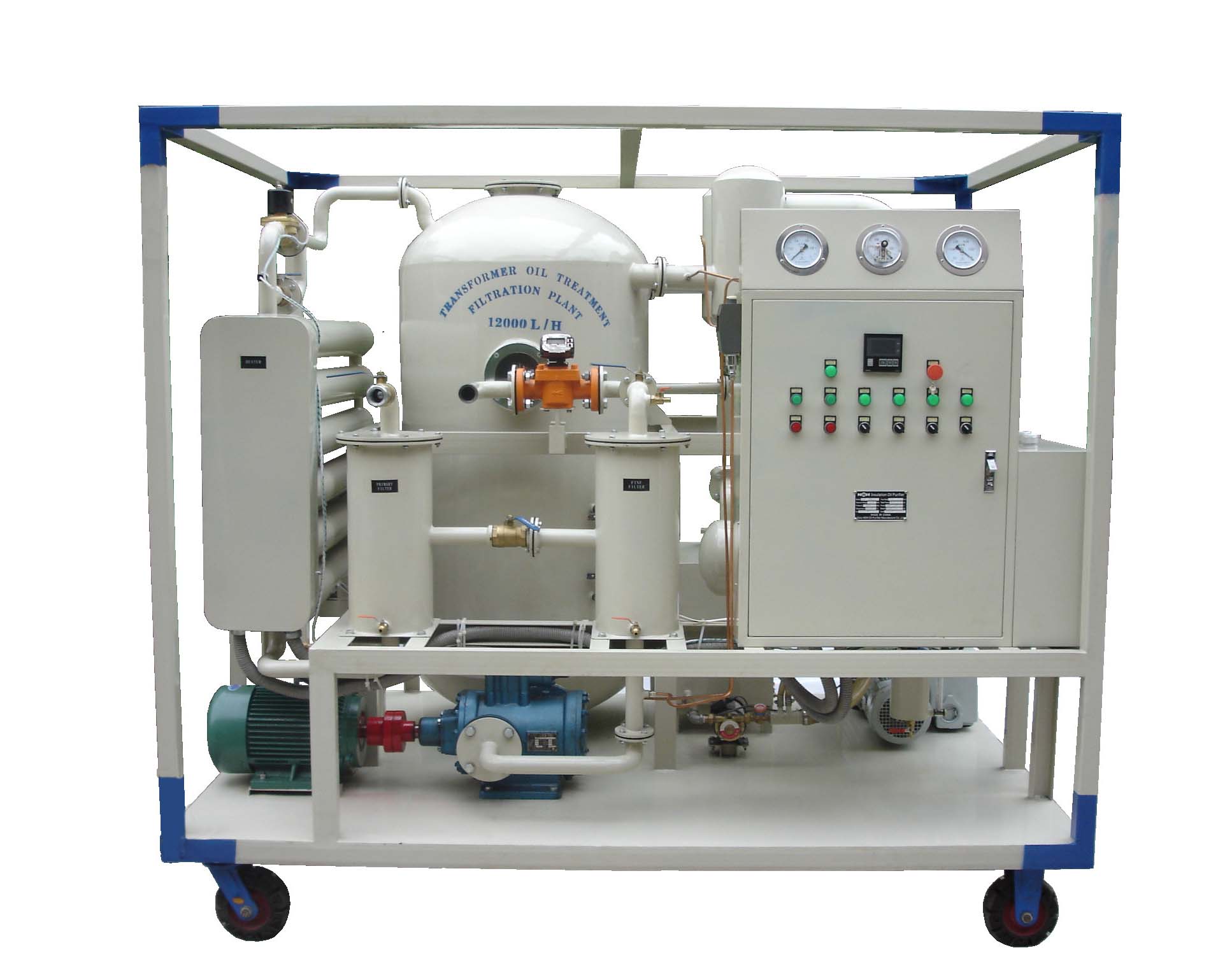
There is no "one-size-fits-all" solution in oil purification; the key is matching the equipment to your factory's specific workflow. Online models act as a permanent shield for continuous production lines, ensuring automated stability. Offline models provide the high-intensity restoration needed for contaminated oil and multi-machine maintenance.
Proper selection directly extends equipment life, improves breakdown voltage (BDV) in transformer oils, and significantly reduces long-term maintenance costs. For a customized technical assessment or non-standard design, contact a professional manufacturer to evaluate your specific oil viscosity and contamination profile.
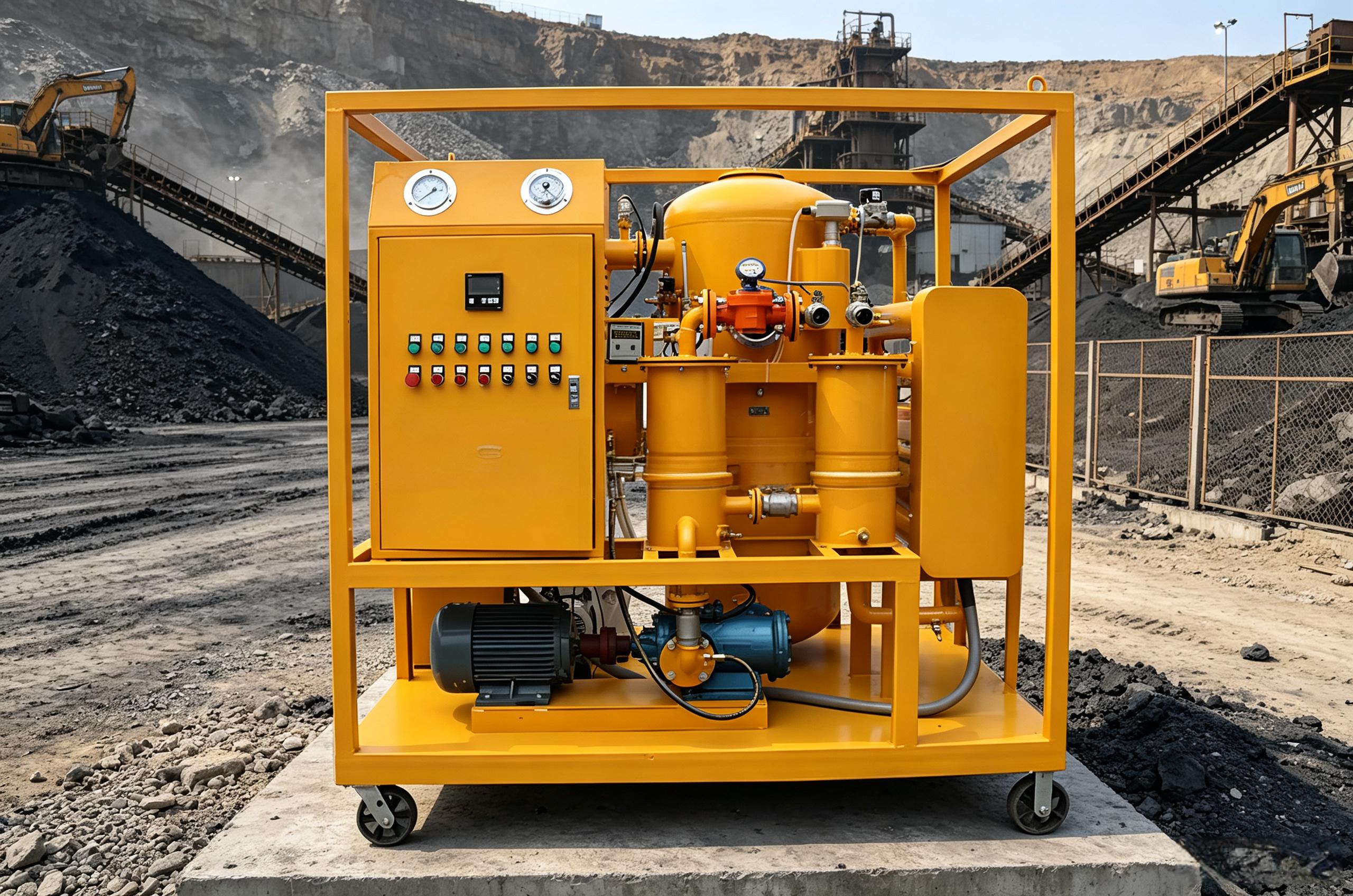
Explosion-Proof Oil Purifier Selection Guide: Which Working Conditions Require One?
How to Prevent Rapid Lubricating Oil Degradation in Steel Mills
Can an Oil Purifier Remove Acid? Understanding the Limits of Oil Regeneration
Chemical Industry Oil Purification: How to Choose the Right Oil Purifier
Why Is Coalescing Water Removal More Stable Than Vacuum Dehydration?


