E-mail seo@sino-purification.com

Time:2026-04-28 10:35:03 Reading volume:
Determining whether to invest in industrial oil filtration or stick to a frequent oil replacement schedule is a critical decision for plant managers and reliability engineers. This analysis compares the Total Cost of Ownership (TCO) for hydraulic systems, diesel engines, gearboxes, and circulation loops.
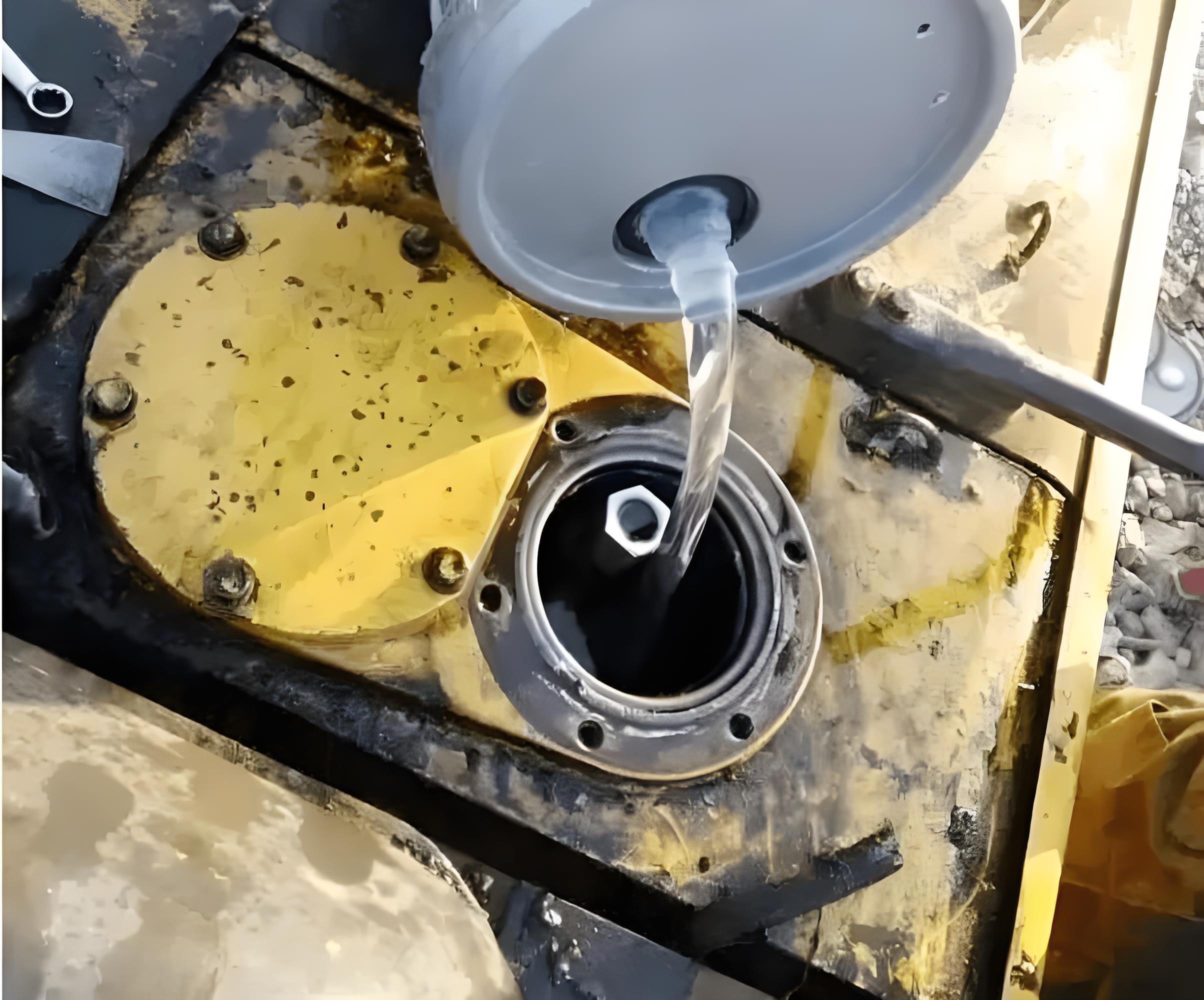
Understanding the fundamental difference between "cleaning" and "changing" is the first step toward optimizing machine uptime.
| Key Factor | Oil Filtration (Life Extension) | Frequent Oil Replacement |
| Strategy | Continuous or offline cleaning (Kidney Loop) | Scheduled "Drain and Fill" |
| Oil Life Extension | 2x to 10x longer intervals | Fixed (e.g., 500–2000 hours) |
| Impact on Uptime | Low – Offline filtration runs during operation | High – Requires complete machine shutdown |
| Primary Goal | Steady-state oil cleanliness | Resetting contamination levels |
To accurately measure ROI, we must categorize direct and indirect expenses.
While filtration requires an upfront investment, the long-term operational expenditure (OpEx) is significantly lower.
Capital Investment: Purchase of filter carts or dedicated kidney loop units.
Consumables: Periodic replacement of filter elements (1–6 month cycles).
Condition Monitoring: Regular oil analysis is essential to track additive health and oxidation.
Estimated Annual Cost (500L System): Approximately $1,100 – $2,300.
Many facilities overlook the "hidden" costs of frequent oil changes, particularly production downtime.
Procurement: High volume of fresh lubricant at market prices.
Labor & Disposal: Costs associated with draining, flushing, and hazardous waste removal.
Opportunity Cost: Revenue lost while the machine is offline.
Estimated Annual Cost (500L System): Often exceeds $14,000 – $24,000+ when including downtime.
| Maintenance Factor | Filtration Strategy | Replacement Strategy |
| Annual Oil Consumption | Low (Top-ups only) | Very High (Full refills) |
| Machine Wear & Tear | Reduced (Stable cleanliness) | Higher (Contamination peaks) |
| Environmental Impact | Sustainable (Less waste) | High (Continuous waste stream) |
| Complexity | Requires monitoring | Simple |
For a standard 500L sump, a kidney-loop filtration system costing roughly $3,500 can pay for itself in less than 6 months.
Pro Tip: While filtration labor (sampling/checking filters) is slightly higher than a single oil change, the avoided downtime (often valued at $500+/hour) creates a massive net profit for the facility.
Large Sump Volumes: Systems exceeding 200 Liters.
Expensive Fluids: Synthetic or specialty biodegradable oils.
High Utilization: Machines running >5,000 hours/year.
Critical Infrastructure: Where downtime costs exceed $200/hour.
Small Reservoirs: Sump volumes under 50 Liters.
Low Operating Hours: Equipment used intermittently (<1,000 hours/year).
Chemical Degradation: Environments where oil oxidizes or suffers additive depletion faster than particulate contamination occurs.
The most modern approach is to combine both methods into a Condition-Based Maintenance (CBM) program:
Install Offline Filtration: Use a kidney loop to maintain ISO cleanliness codes.
Monitor via Oil Analysis: Instead of changing oil on a calendar, change it only when the lab results indicate additive depletion or high acidity (TAN).
Result: 80% reduction in oil waste and maximized component life.
For industrial applications, oil filtration is the clear winner for cost-efficiency, environmental sustainability, and machine reliability. While the initial investment is higher, the payback period is typically under one year.
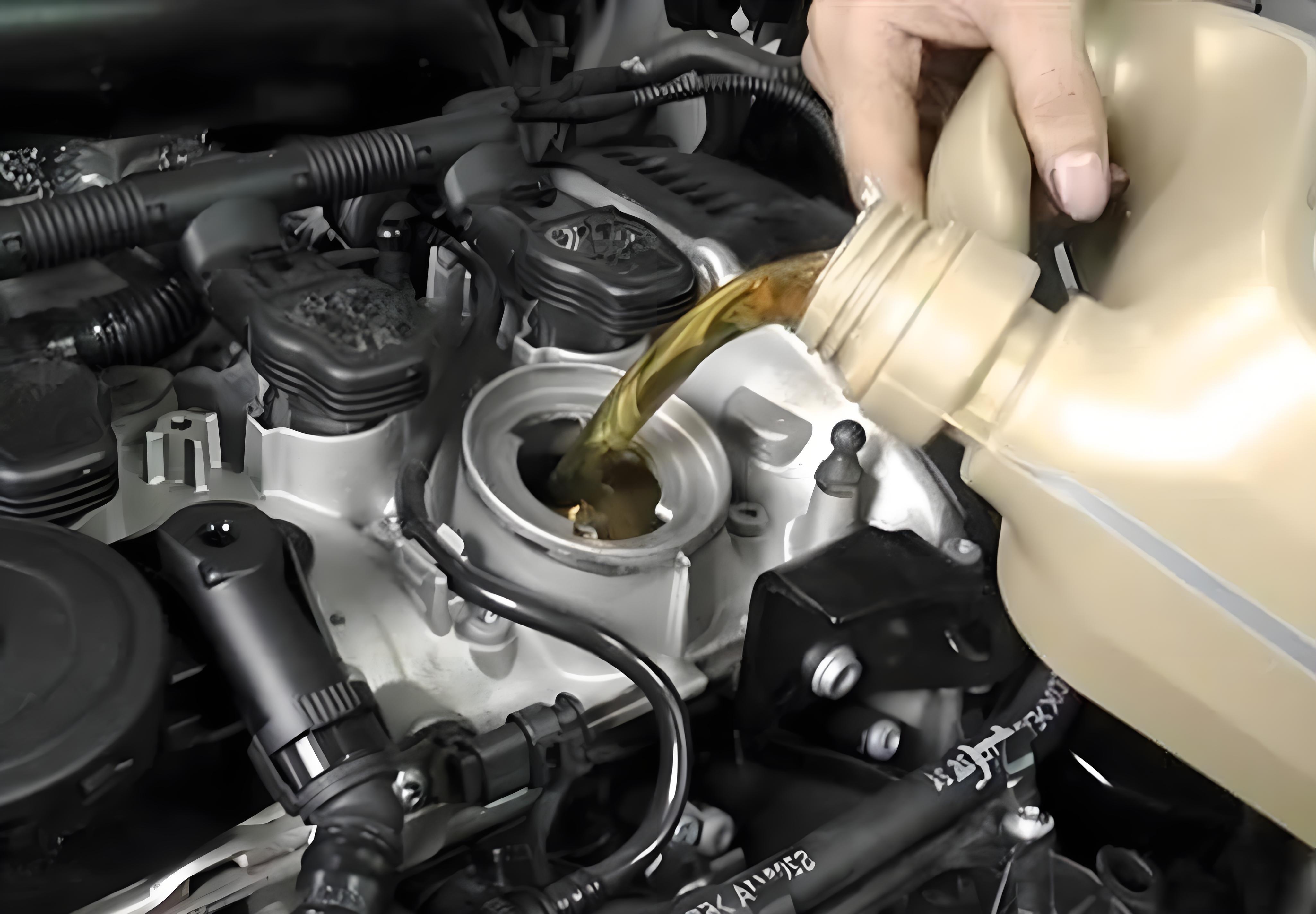
Final Recommendation:
Systems with high uptime requirements and large oil volumes should prioritize filtration and oil life extension. Smaller, less critical equipment can remain on a standard replacement schedule.
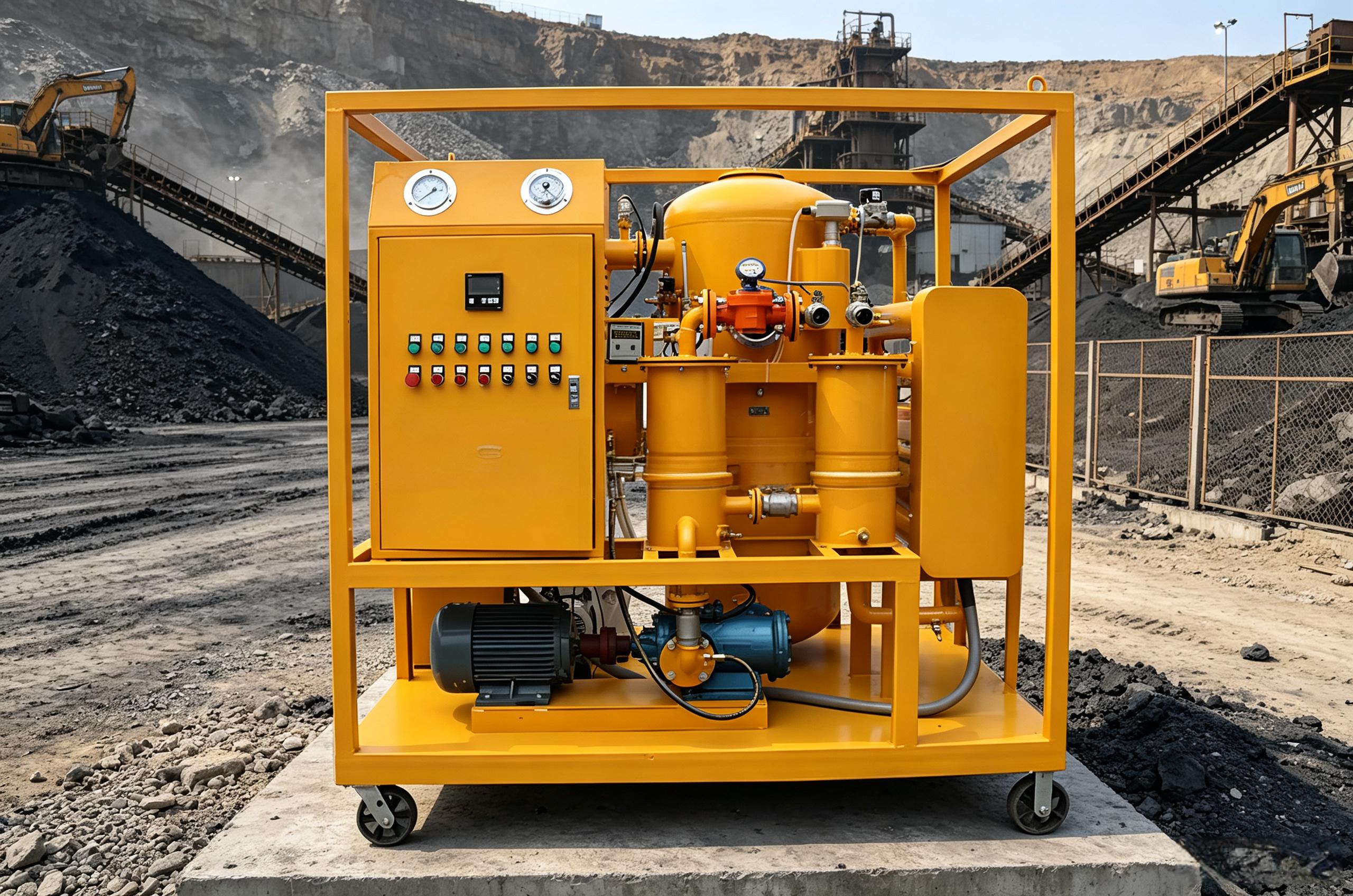
Explosion-Proof Oil Purifier Selection Guide: Which Working Conditions Require One?
How to Prevent Rapid Lubricating Oil Degradation in Steel Mills
Can an Oil Purifier Remove Acid? Understanding the Limits of Oil Regeneration
Chemical Industry Oil Purification: How to Choose the Right Oil Purifier
Why Is Coalescing Water Removal More Stable Than Vacuum Dehydration?


