E-mail seo@sino-purification.com

Time:2026-04-30 10:17:31 Reading volume:
Choosing between a Centrifugal Oil Cleaner and a Coalescer Separator for turbine oil treatment depends largely on your specific contamination profile—specifically the ratio of water to solid particulates and the presence of surfactants.
Both systems are designed to extend the life of turbine oil, but they operate on fundamentally different physical principles.
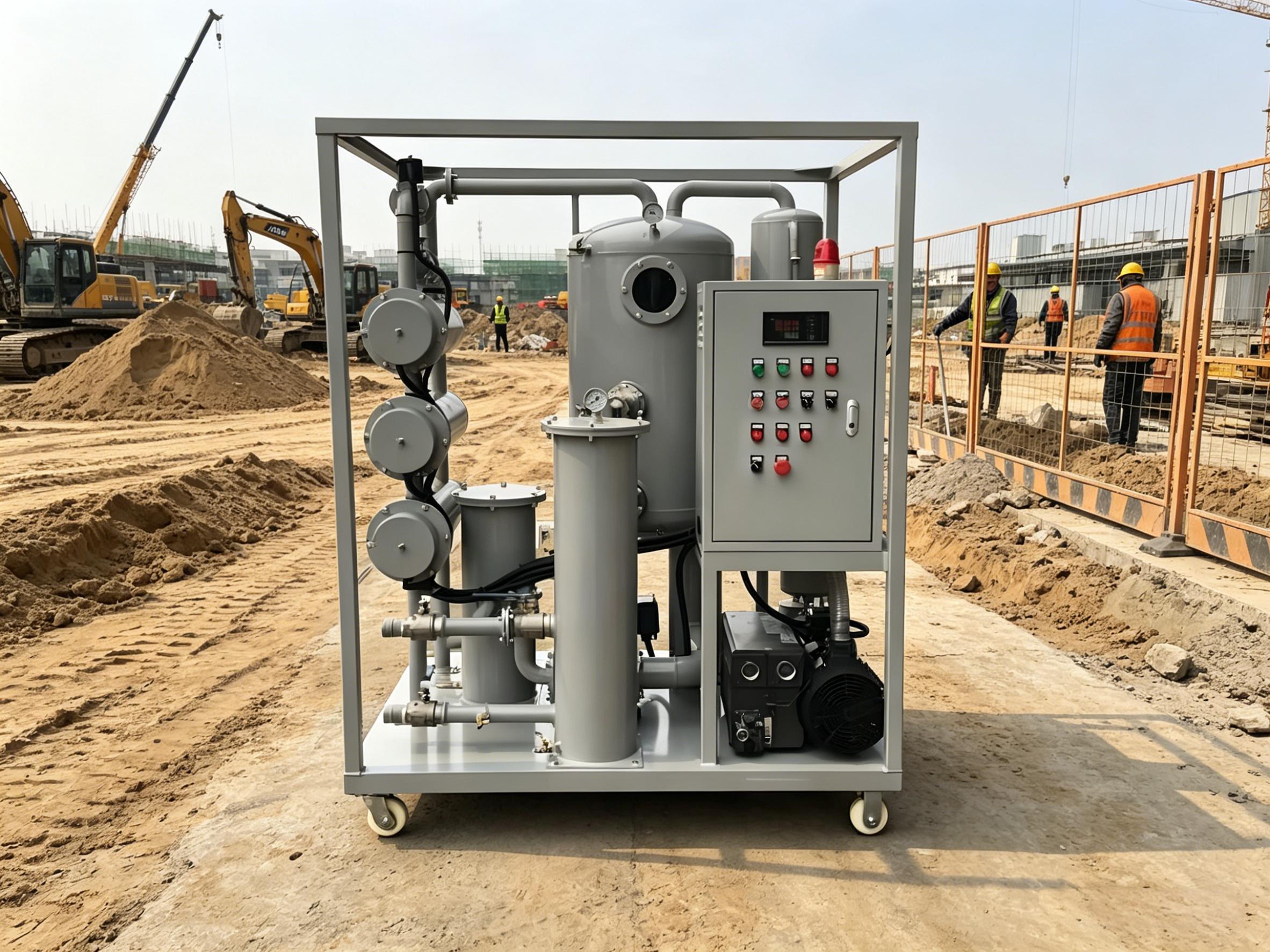
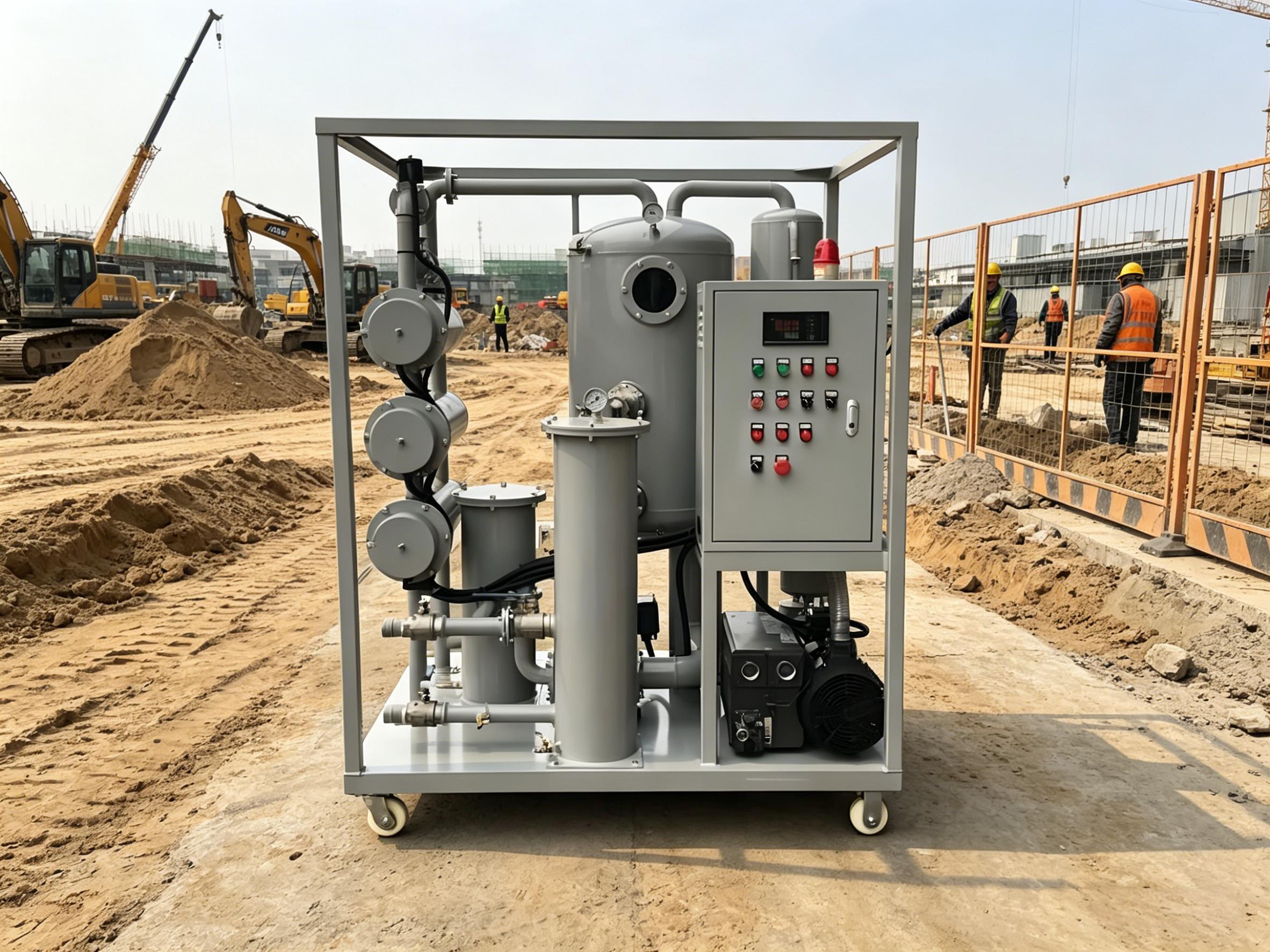
Centrifuges use mechanical force—often exceeding 5,000 to 10,000 Gs—to separate contaminants based on density differences.
How it works: The oil is spun at high speeds. Since water and solid particles are heavier than oil, they are forced outward against the bowl wall, while the clean oil remains in the center.
Best for:
Massive water ingress: Excellent for handling sudden "slugs" of water (e.g., from a cooler leak).
High density solids: Very effective at removing heavy metallic wear particles.
Key Advantage: It is a mechanical process that does not rely on filter media, meaning performance doesn't degrade as the "filter" gets dirty. It can handle oil with high surfactant levels (detergents/additives) that would "blind" a coalescer.
Coalescence is a stationary, two-stage filtration process that relies on surface chemistry and specialized media.
How it works:
Stage 1 (Coalescer): Small water droplets are captured by fiber media, where they merge into larger drops.
Stage 2 (Separator): A hydrophobic screen allows oil to pass through but blocks the now-large water droplets, causing them to fall into a sump.
Best for:
Maintaining low PPM: Exceptional at reaching very low moisture levels (down to 150 ppm or lower) in a single pass.
Fine silt removal: Often paired with high-efficiency pleated filters to remove very fine particulates (sub-3 micron).
Key Advantage:
It has no moving parts, making it quieter, easier to maintain, and lower in initial capital cost compared to a centrifuge.
| Feature | Centrifugal Oil Cleaner | Coalescer Separator |
| Water Removal Type | Free & Emulsified (High Volume) | Free & Dispersed (Low-Mid Volume) |
| Particulate Removal | Heavy solids / Sludge | Fine silts / Micro-particles |
| Maintenance | Higher (Mechanical parts/cleaning) | Lower (Element changes) |
| Sensitivity | High tolerance for additives | Sensitive to surfactants/detergents |
| Footprint | Compact but heavy | Generally larger footprint |
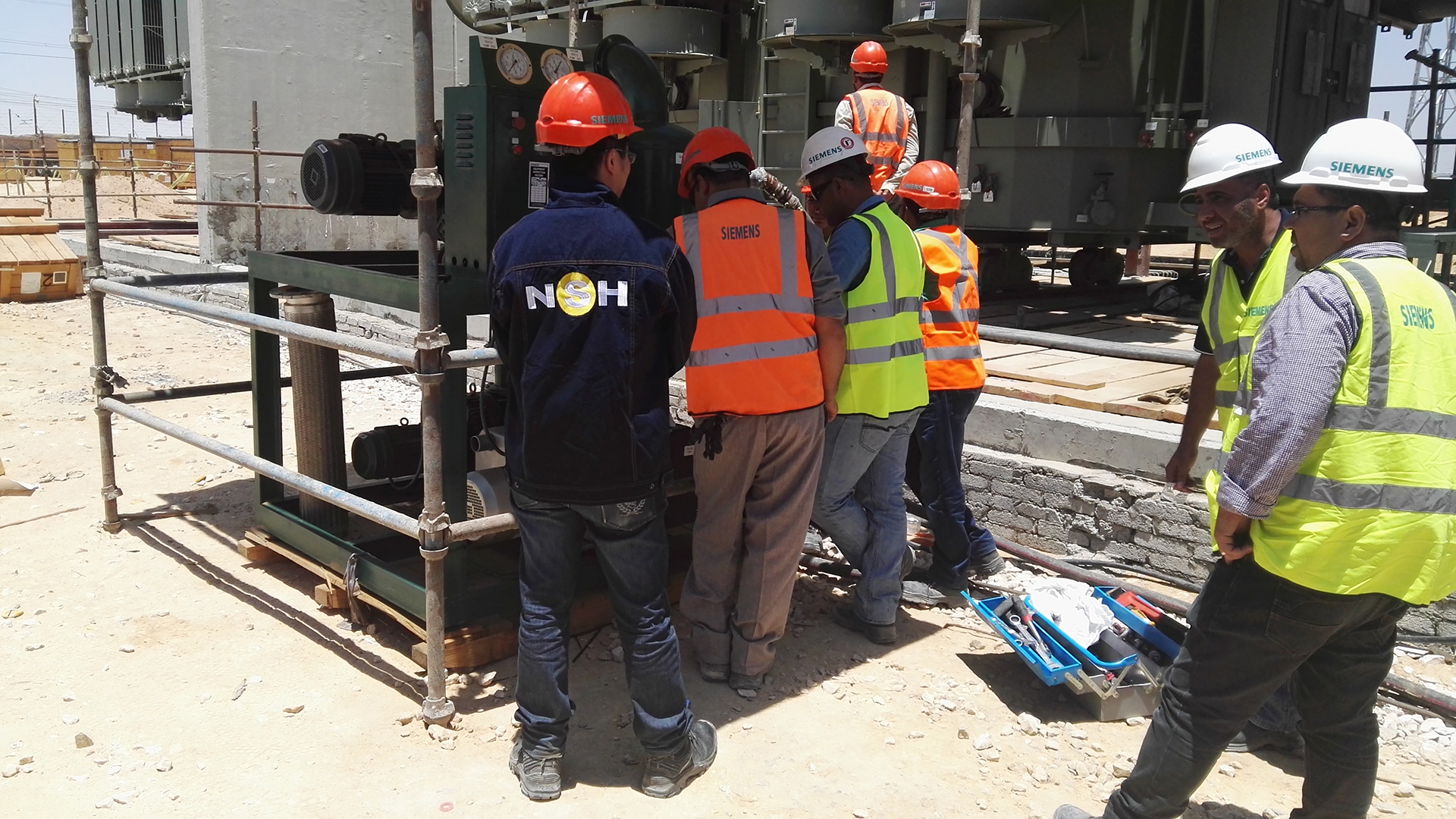
You are dealing with steam turbines where significant water leaks are a constant risk.
The oil has a high concentration of additives or surfactants that lower the Interfacial Tension (IFT), which usually causes coalescers to fail.
You need a "workhorse" that can run continuously with minimal consumable costs (no filters to buy).
You are treating gas turbine oil or high-quality light oils where water ingress is minimal, but moisture "polishing" is required.
You want a system with lower capital expenditure and simpler operation.
Your goal is to achieve a very high ISO Cleanliness Code (e.g., 15/12/10) for precision bearings.
Note: In some large-scale power plants, a centrifuge is used for "bulk" cleaning followed by a coalescer for "polishing" to get the best of both worlds.
Explosion-Proof Oil Purifier Selection Guide: Which Working Conditions Require One?
How to Prevent Rapid Lubricating Oil Degradation in Steel Mills
Can an Oil Purifier Remove Acid? Understanding the Limits of Oil Regeneration
Chemical Industry Oil Purification: How to Choose the Right Oil Purifier
Why Is Coalescing Water Removal More Stable Than Vacuum Dehydration?


