E-mail seo@sino-purification.com

Time:2026-05-25 13:16:50 Reading volume:
In high-output power generation and heavy industrial applications, turbine oil is the lifeblood of the machinery. It must lubricate high-speed bearings, dissipate immense heat, and act as a hydraulic medium in control systems. However, a common misconception among plant operators is that new oil is clean oil. In reality, new oil out of the drum often fails to meet OEM specifications, frequently testing at a dirty ISO 20/18/15.
To prevent catastrophic bearing failure, servo valve sticking, and unplanned downtime, continuous or periodic oil purification is mandatory. But what is the benchmark for success? What is the ideal ISO cleanliness level you should aim for when deploying turbine oil purification equipment?
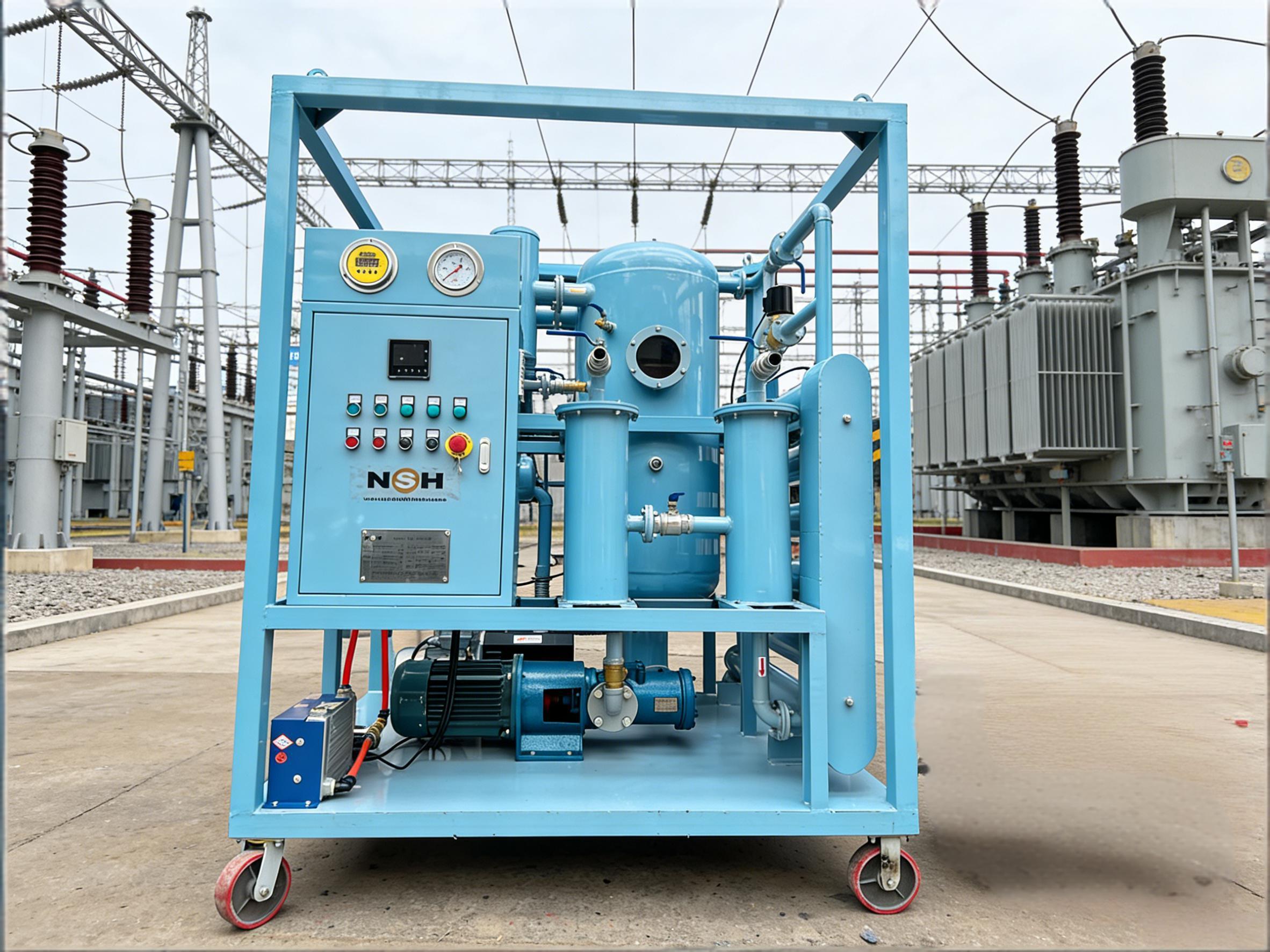
Under the ISO 4406 standard, oil cleanliness is represented by three numbers (e.g., 15/13/11). These numbers correspond to the quantity of particles larger than 4 μm, 6 μm, and 14 μm found in a 1 mL sample of fluid. Each drop in a code number represents a halving of the particle count.
For modern steam and gas turbine lubrication systems, the ideal post-purification target ranges from ISO 15/13/11 to ISO 16/14/11.
| Particle Size Threshold | Ideal Post-Purification Target Code | Maximum Allowable Particles (per mL) |
| ≥ 4 μm (Small silt/dust) | 15 to 16 | 160 to 640 |
| ≥ 6 μm (Cutting wear debris) | 13 to 14 | 40 to 160 |
| ≥ 14 μm (Large catastrophic debris) | 11 | 10 to 20 |
Achieving an ISO level of 15/13/11 means your turbine oil is exceptionally clean, virtually eliminating the abrasive particle loops that cause three-body abrasive wear on journal bearings.
If your facility is monitoring Electro-Hydraulic Control (EHC) systems, standard turbine oil parameters are not stringent enough. EHC systems often utilize synthetic phosphate ester fluids and operate high-pressure servo valves with clearances as tight as 1 to 3 microns.
The EHC Target: ISO 14/12/9
The Risk: In these systems, even a minute quantity of 14 μm particles (represented by the "9" in the code, or fewer than 5 particles per mL) can cause immediate valve erosion, silt-locking, or sudden turbine trips.
Many plants rely solely on mechanical inline filters to clean their oil. While high-quality beta-rated filters are excellent at capturing solid particulate, they struggle to consistently maintain an ISO 15/13/11 level on their own due to two primary enemies: water and varnish.
Whether from steam gland seal leakage or ambient condensation, water degrades turbine oil rapidly. It compromises film strength, induces rust, and accelerates oil oxidation. Standard particulate filters cannot trap dissolved or emulsified water.
As oil oxidizes due to thermal stress and water presence, it forms soft, sub-micron contaminants known as varnish precursors. These particles are smaller than 1 micron, meaning they easily pass right through standard 3-micron or 6-micron mechanical filters. When the oil cools, these precursors precipitate out as sticky sludge on bearings and valves.
To achieve and sustain an ideal ISO 15/13/11 cleanliness level, a multi-stage industrial purification approach is required:
Vacuum Dehydration: To lower total water content below 100 ppm (and free water to 0 ppm), industrial purifiers utilize vacuum distillation columns. By boiling off moisture under a vacuum at lower, safer temperatures (typically around 50°C to 60°C), the system removes dissolved, emulsified, and free water without thermally damaging the base oil or depleting critical additives.
Micro-Filtration (High Beta-Ratio): Downstream from the vacuum system, high-efficiency fiberglass elements with filtration accuracies of 1 μm to 3 μm filter out the hard particulates, securing the low 4 μm and 6 μm ISO counts.
Specialized Varnish Removal: Incorporating ion-exchange or electrostatic separation technologies isolates and removes the sub-micron soft contaminants before they can settle onto critical machine components.
Investing in advanced turbine oil purification systems isn't just about chasing numbers on a laboratory oil analysis report; it directly impacts plant profitability and operational safety.
Extension of Bearing Life: According to industry wear data, cleaner oil can extend the life of critical components by 2x to 4x.
Extended Fluid Life: By continuously stripping water, air, and particulates, the oxidation rate of the oil drops drastically. This can extend the service life of a large turbine oil reservoir from 5 years to well over 10–15 years, saving hundreds of thousands of dollars in oil replacement costs.
Reduced Risk of Turbine Trips: Cleaner oil means reliable valve actuation, zero silt-locking, and stable breakdown voltage (BDV) characteristics.
Achieving a sustainable ISO 15/13/11 level requires matching the correct vacuum degree (Pa), flow rate ($L/min$), and filtration accuracy ($\mu m$) to your specific reservoir volume and environmental conditions.
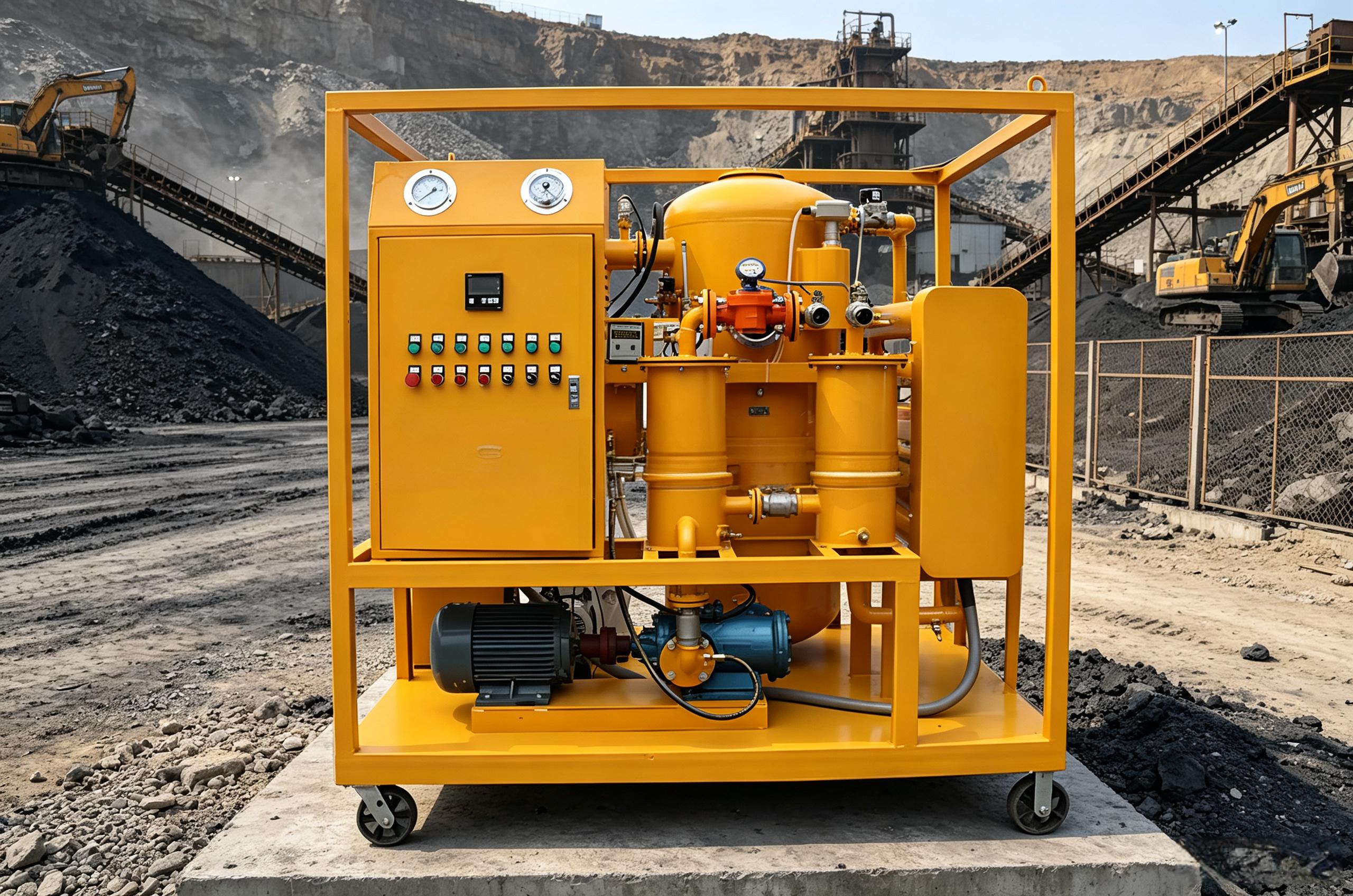
Explosion-Proof Oil Purifier Selection Guide: Which Working Conditions Require One?
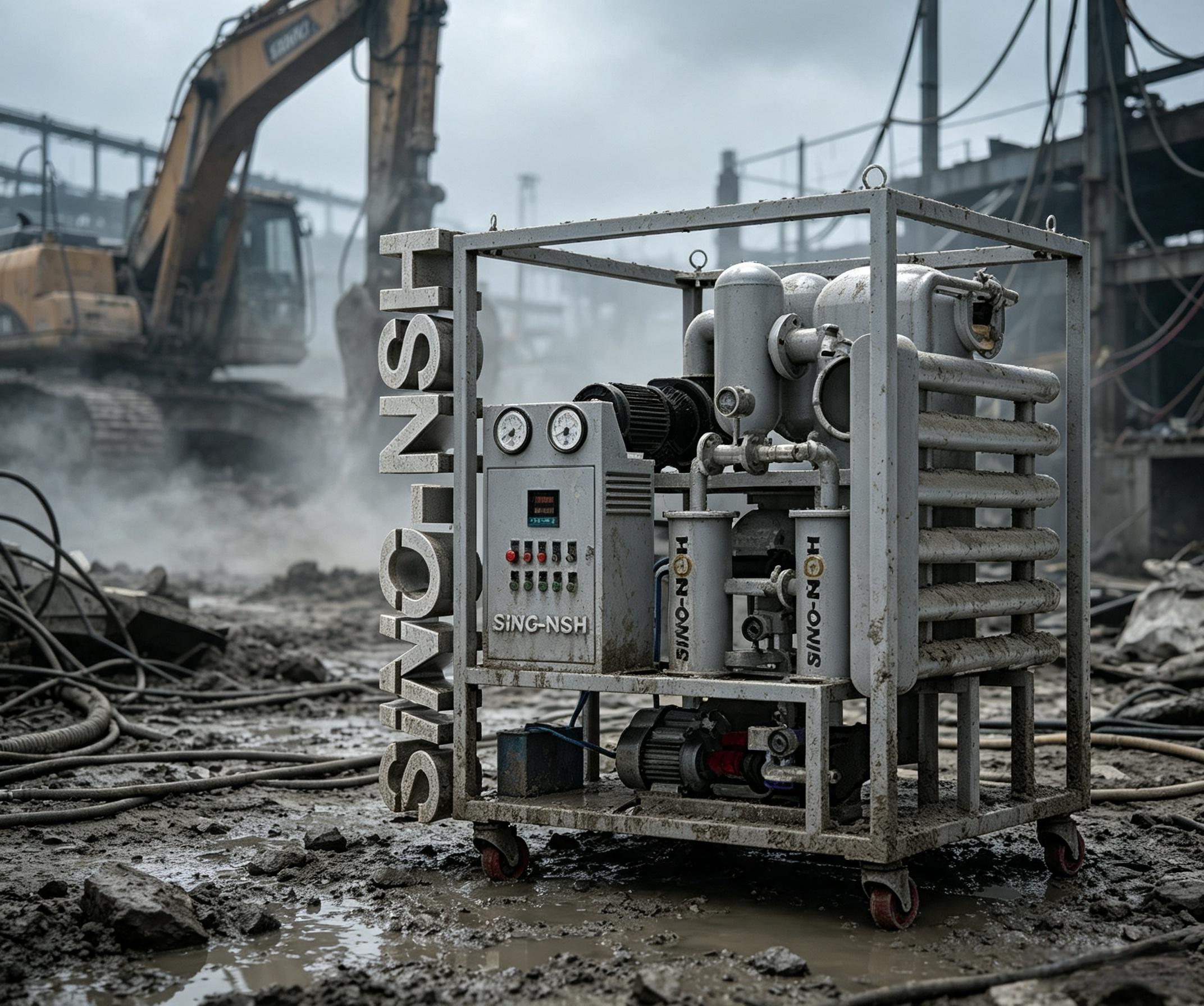
How to Prevent Rapid Lubricating Oil Degradation in Steel Mills
Can an Oil Purifier Remove Acid? Understanding the Limits of Oil Regeneration
Chemical Industry Oil Purification: How to Choose the Right Oil Purifier
Why Is Coalescing Water Removal More Stable Than Vacuum Dehydration?


