E-mail seo@sino-purification.com

Time:2026-05-27 11:46:59 Reading volume:
Turbine oil purification systems are specifically engineered to remove free water, which is one of the most critical and destructive contaminants in power generation and industrial turbine systems.
However, how it solves the problem depends heavily on the specific purification technology used, as water exists in turbine oil in three distinct states: free, emulsified, and dissolved.
Here is a breakdown of how purification addresses free water, the technologies that do it best, and why managing it is so critical.
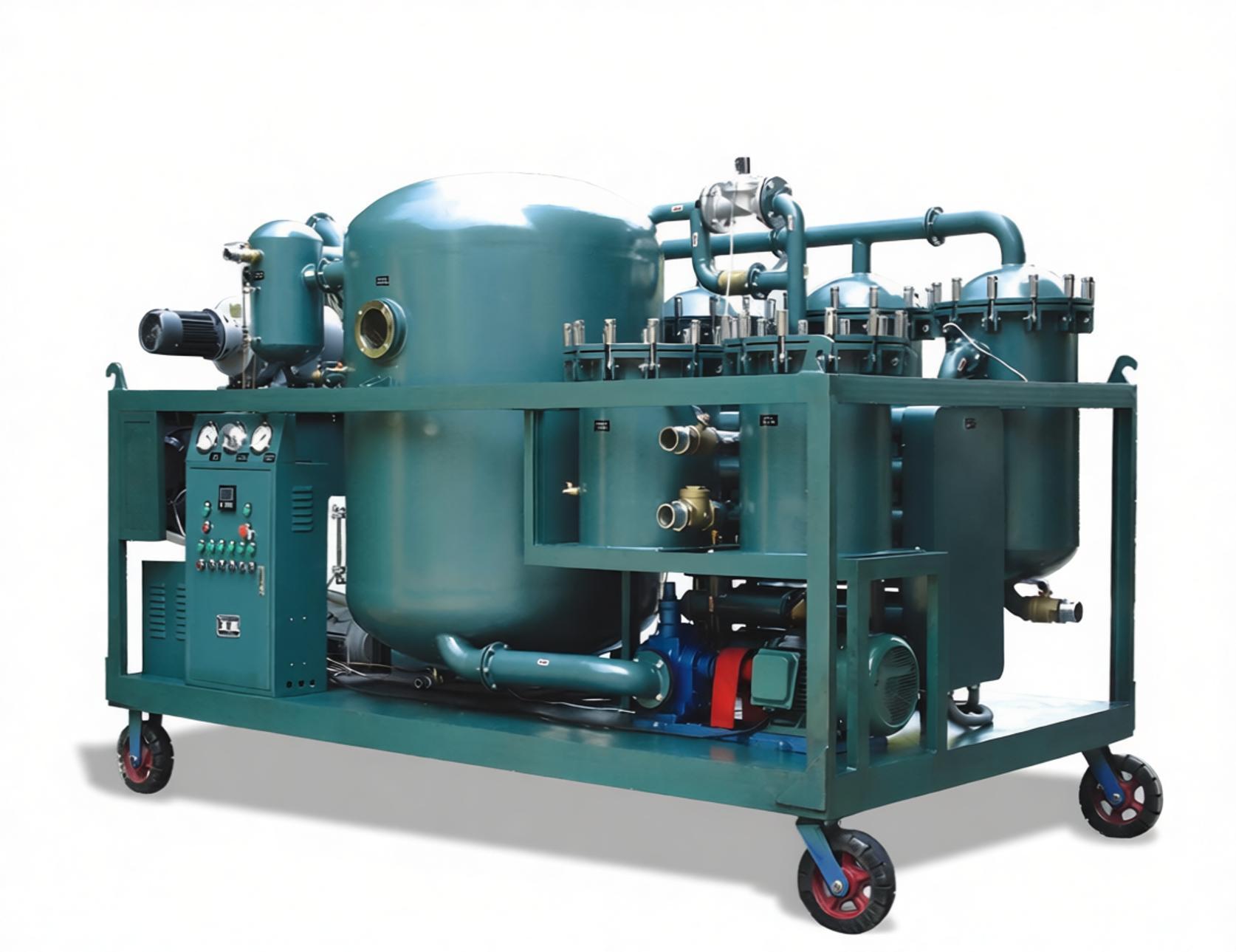
Free water is water that has completely separated from the oil and settled at the bottom of a tank or reservoir due to its higher density. It can be addressed using a few different methods:
This is the most efficient and cost-effective method for removing large amounts of free and emulsified water.
How it works: The oil passes through specialized hydrophilic (water-attracting) coalescer elements. Tiny water droplets are forced to gather together (coalesce) into larger droplets.
The result: Once the droplets grow heavy enough, gravity pulls them down to the bottom of the vessel, where they can be automatically or manually drained away, leaving the dry oil to pass through.
If you need to remove not just free water, but also deeply embedded emulsified and dissolved water, vacuum dehydration is the gold standard.
How it works: The oil is heated (usually to around 50°C to 60°C) and introduced into a vacuum chamber. The vacuum lowers the boiling point of water significantly.
The result: The water flashes into steam and is drawn out of the oil, effectively boiling off the water without damaging the chemical structure of the oil. It easily eliminates 100% of free water and drops total water content down to less than 100 PPM.
Industrial centrifuges use mechanical centrifugal force to separate fluids of different densities.
How it works: By spinning the oil at high speeds, the heavier water is forced to the outside of the bowl and discharged, while the lighter oil stays near the center.
The result: Highly effective for bulk free water removal, especially in systems with massive water ingress, though it struggles with dissolved water.
Allowing free water to circulate in a turbine system triggers a chain reaction of mechanical and chemical failures:
Loss of Lubrication (Oil Film Failure): Water cannot support the heavy loads inside turbine bearings. Free water causes the oil film to collapse, leading to direct metal-on-metal contact and rapid component wear.
Accelerated Oxidation: Water acts as a catalyst for oil oxidation, especially at operating temperatures. This degrades the oil rapidly, leading to the formation of sludge and varnish that clog control valves.
Component Corrosion: Free water directly attacks steel components, causing rust. This rust eventually breaks off as hard, abrasive particulate matter that scores bearings and ruins seals.
Additive Depletion: Many crucial performance additives in turbine oil (like rust inhibitors and antioxidants) are water-soluble. Free water can wash these additives right out of the oil (a process known as water stripping).
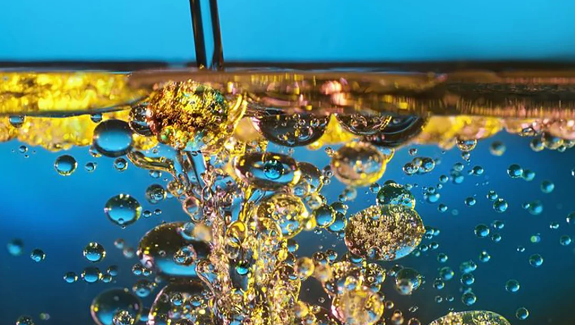
If your turbine system is battling free water ingress (from steam seal leaks, condensation, or cooler leaks), a turbine oil purifier—specifically a Vacuum Dehydration Oil Purifier (VDOP) or a Coalescer-Separator—is the exact solution needed to resolve the issue and restore the oil's dielectric and lubricating properties.
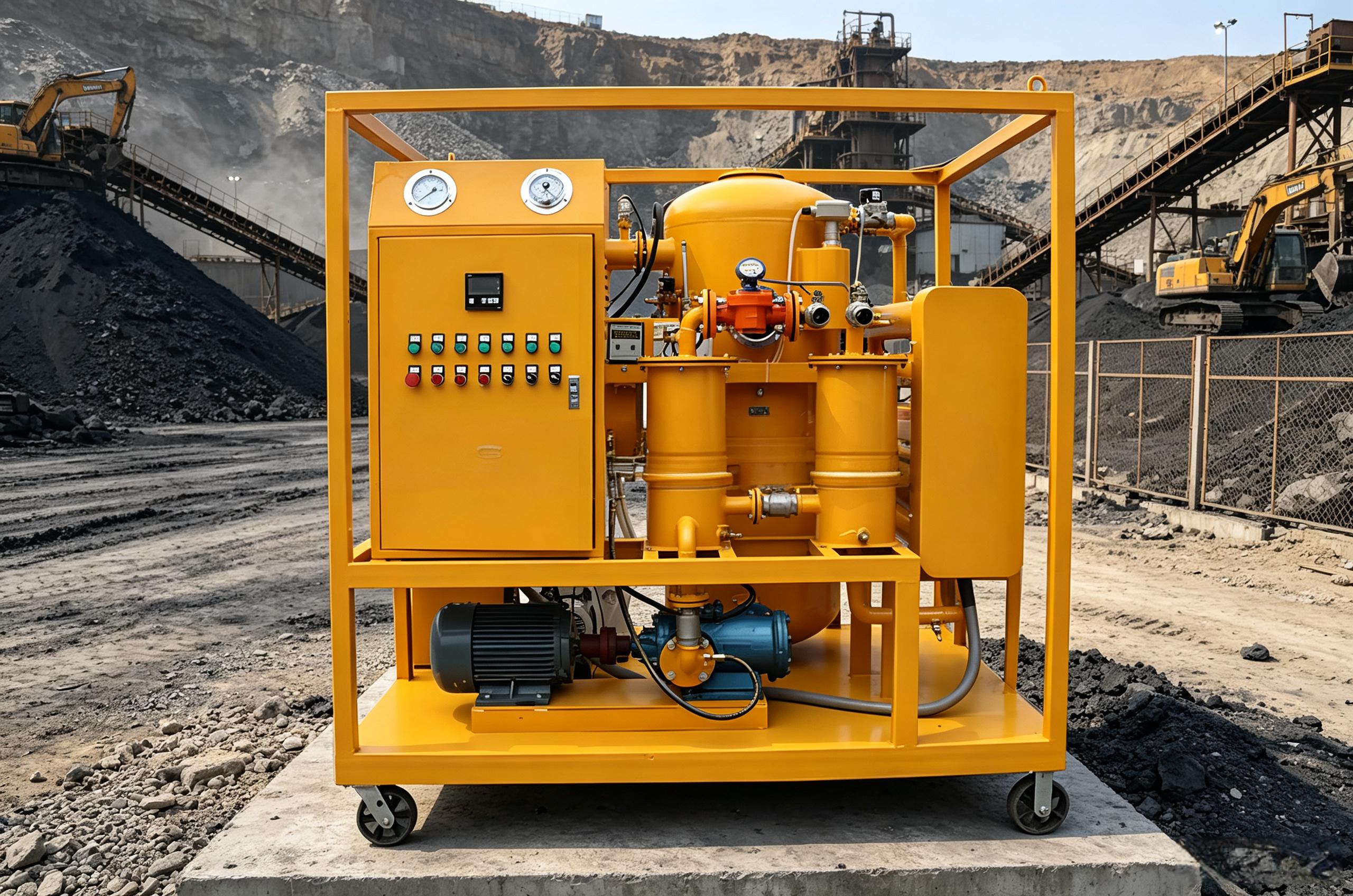
Explosion-Proof Oil Purifier Selection Guide: Which Working Conditions Require One?
How to Prevent Rapid Lubricating Oil Degradation in Steel Mills
Can an Oil Purifier Remove Acid? Understanding the Limits of Oil Regeneration
Chemical Industry Oil Purification: How to Choose the Right Oil Purifier
Why Is Coalescing Water Removal More Stable Than Vacuum Dehydration?


