E-mail seo@sino-purification.com

Time:2026-05-28 15:32:00 Reading volume:
Meta Description: Is your industrial oil purifier running too hot? Learn the 6 main causes of oil purifier overheating—including clogged filters, cooling failure, and air ingress—and how to troubleshoot them.
Oil purifiers (also known as oil filtration systems) are essential for cleaning hydraulic oil, lubricating oil, and transformer oil across industries like power generation, manufacturing, metallurgy, and chemical processing.
Under normal operations, the oil temperature should remain stable. If the oil temperature spikes rapidly or exceeds its rated limit, it can degrade filtration accuracy, cause oil emulsification/oxidation, accelerate component wear, and shorten the equipment’s lifespan. In severe cases, it can trigger automatic shutdowns and disrupt entire production lines.
This guide explains why industrial oil purifiers overheat, analyzes common fault symptoms, and provides a step-by-step troubleshooting workflow to help maintenance teams quickly restore stable operations.
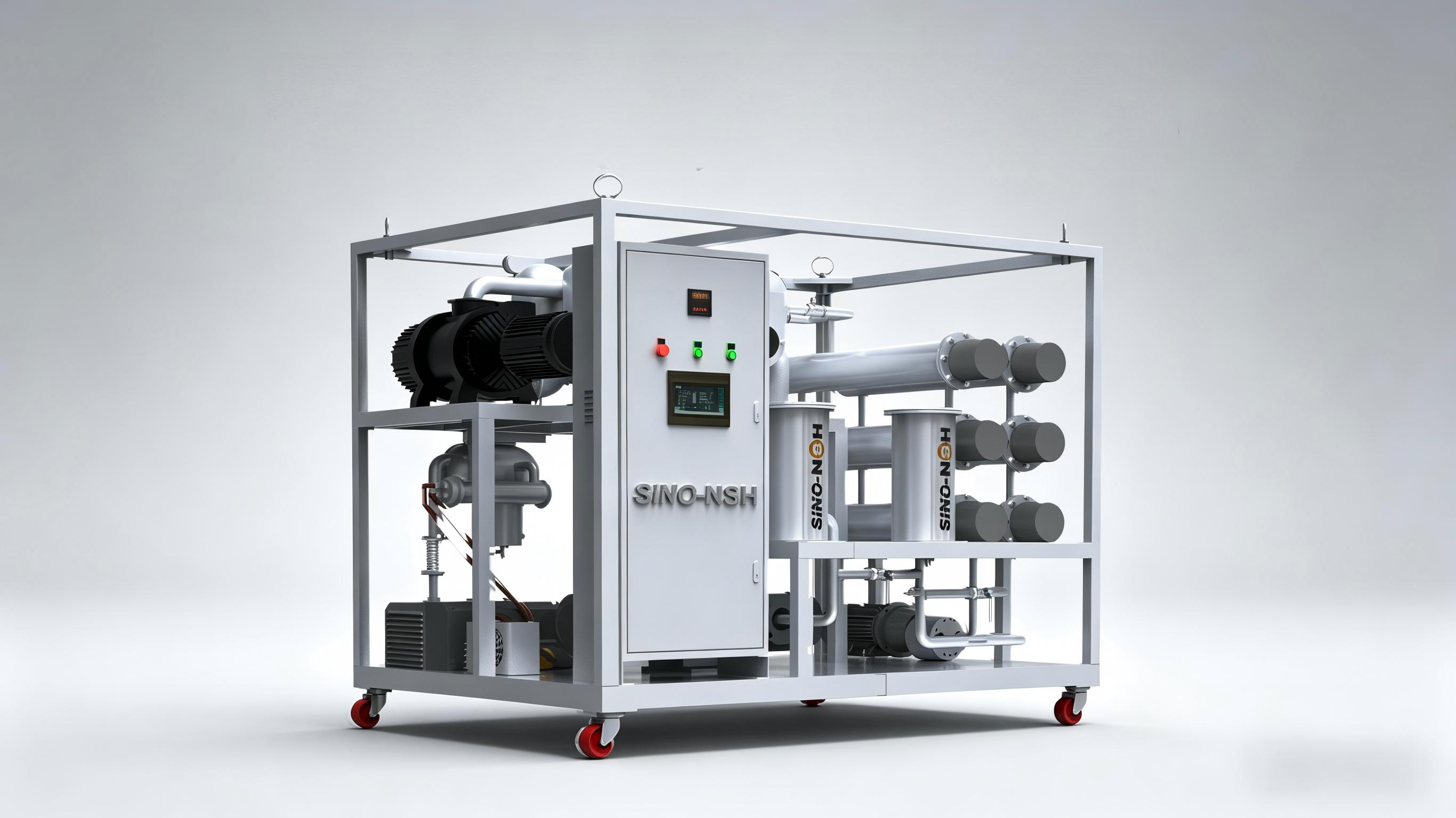
Oil purifier overheating generally stems from four causes: fluid-path restrictions, cooling-system failure, hydraulic-component wear, or improper operating conditions. These issues can be identified quickly via system parameters and physical symptoms.
A clogged filter is the number one reason oil purifiers overheat. Over time, filter elements trap large amounts of particulates, sludge, and varnish. When the filters become severely clogged, fluid flow is restricted. The oil pump is forced to work harder under high pressure to push the fluid through. This restriction causes heavy fluid friction and system throttling, generating excessive heat that spikes the oil temperature.
Typical Symptoms: A noticeable drop in oil output, a muffled or straining motor sound, high readings on the pressure gauge, and slight machine vibration.
If the oil inlet pipe is loose, cracked, or if the oil level in the source tank drops too low, air will get sucked into the system. When air mixes with the oil inside the pump, it causes cavitation. The pump fails to build proper hydraulic pressure, and the air pockets compress rapidly, generating intense localized heat. This ruins the oil’s stability and causes rapid overheating.
Typical Symptoms: Intermittent or sputtering oil discharge, heavy foaming or air bubbles in the oil, a high-pitched whining noise from the pump, and a hot pump casing.
Oil purifiers generally rely on either air-cooled (fan/radiator) or water-cooled (shell and tube) systems. If the cooling system fails, the heat generated during filtration cannot escape and will rapidly compound.
Water-Cooled Issues: Cooling water valve closed, low water pressure, scale buildup inside the water lines, or oil sludge fouling the heat exchanger tubes.
Air-Cooled Issues: Broken cooling fan, slow fan speed, or heavy dust and grease blocking the radiator fins.
The gear pumps or plunger pumps in an oil purifier are its mechanical core. Continuous heavy-duty operation causes internal wear on gears, pistons, and seals, widening internal tolerances. This leads to internal leakage (slippage), where oil slips back across the high-pressure side to the low-pressure side. The fluid is repeatedly compressed and sheared, creating an immense heat loop.
Typical Symptoms: Low or fluctuating system pressure, sluggish oil output, the pump casing feeling significantly hotter than the rest of the machine, and poor purification efficiency.
The relief valve regulates and stabilizes system pressure. If the valve spool gets stuck due to particulate contamination or if the internal spring fails, the valve may stay partially closed or in a continuous high-pressure bypass state. Operating continuously under max relief pressure creates heavy throttling, which serves as a hidden catalyst for heat buildup.
Typical Symptoms: The valve body is scorching hot to the touch, pressure adjustments do not respond, and the oil temperature climbs at a steady, unstoppable rate.
Sometimes the issue is not the machine, but the fluid or environment:
High Fluid Viscosity: If the oil is too thick (especially in cold startups), flow resistance surges, putting a heavy mechanical load on the pump.
Severe Oil Contamination: Heavily emulsified oil or high sludge content dramatically lowers the oil's natural heat dissipation efficiency.
Continuous Overloading: Running the machine 24/7 on highly contaminated oil without giving the system a rest.
Poor Ventilation: Operating in a confined, unventilated room or under direct sunlight traps ambient heat around the machine.
Technical teams can use this reference matrix to quickly diagnose the root cause based on physical and operational indicators:
| Symptom / Observation | Likely Root Cause | Priority Inspection Step |
| Pump casing is localized and extremely hot | Pump wear / Air ingress / Clogged filter | Check inlet hose seals and filter differential pressure |
| Cooler is cold / No warm air blowing | Cooling system failure | Inspect radiator fan, water valves, or check for scale |
| High pressure gauge reading / Low oil output | Restricted fluid path | Check and replace the primary or fine filter elements |
| The entire machine slowly and steadily overheats | Environmental / Fluid mismatch | Improve room ventilation, check oil viscosity, reduce load |
When troubleshooting an overheating oil purifier, always follow the rule of "simple fixes before complex teardowns, external before internal."
Step 1: Shut Down and replace Filters
Turn off the machine and bleed system pressure. Inspect the coarse and fine filters. replace any clogged or deformed elements to clear the fluid path and eliminate throttling heat.
Step 2: Seal the Inlet Lines
Inspect all inlet pipe joints, clamps, and hoses for cracks. Tighten loose fittings and top off the source oil tank to stop air from getting sucked in.
Step 3: Service the Cooling System
For Air-Cooled units: Blow out dust, dirt, and oil from the radiator fins using compressed air and verify the fan is spinning at full speed.
For Water-Cooled units: Verify water supply pressure and flush out any scale or sludge buildup inside the heat exchanger.
Step 4: Optimize Operating Parameters
Avoid running the unit at maximum pressure for extended periods. Adjust the pressure regulating valve according to the oil type. For heavily fouled oil, use intermittent batch filtration rather than a continuous run.
Step 5: Inspect Core Hydraulic Components
If basic checks pass and the unit still runs hot, disassemble the relief valve to check for sticking or a broken spring. Measure the pump's flow efficiency to check for internal wear and replace worn components if necessary.
Step 6: Match Oil Viscosity to Ambient Temperature
Ensure the oil purifier model is rated for the viscosity of the oil you are processing. If working in hot environments, use external fans or ducting to improve ventilation.
To stop oil purifier from overheating before it happens, implement these 5 routine maintenance practices:
Change filter elements regularly based on pressure gauge differentials rather than waiting for total blockage.
Clean the cooler weekly (degrease radiator fins or descale water tubes).
Perform daily visual checks on inlet lines to catch air leaks early.
Avoid dry running (running the pump without oil), which instantly destroys pump seals and generates extreme friction heat.
Monitor the relief valve during routine maintenance to ensure it adjusts smoothly.
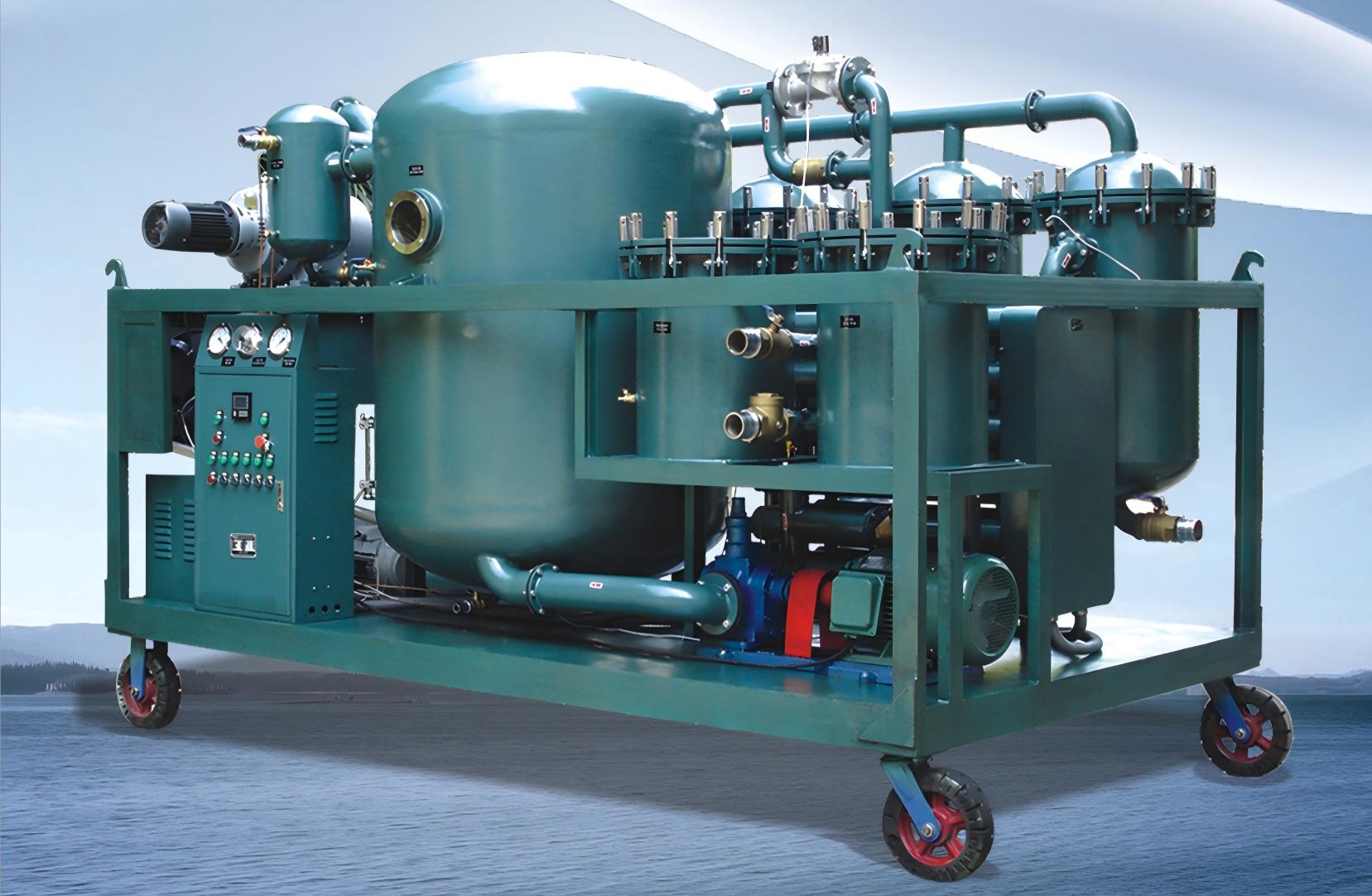
Over 90% of oil purifier overheating issues are caused by clogged filters, cooling system failures, or air ingress. True mechanical component failure or fluid mismatches represent the remaining 10%. By following this structured diagnostic approach, maintenance teams can resolve temperature spikes quickly, protect valuable industrial oil assets, and prevent unexpected production downtime.
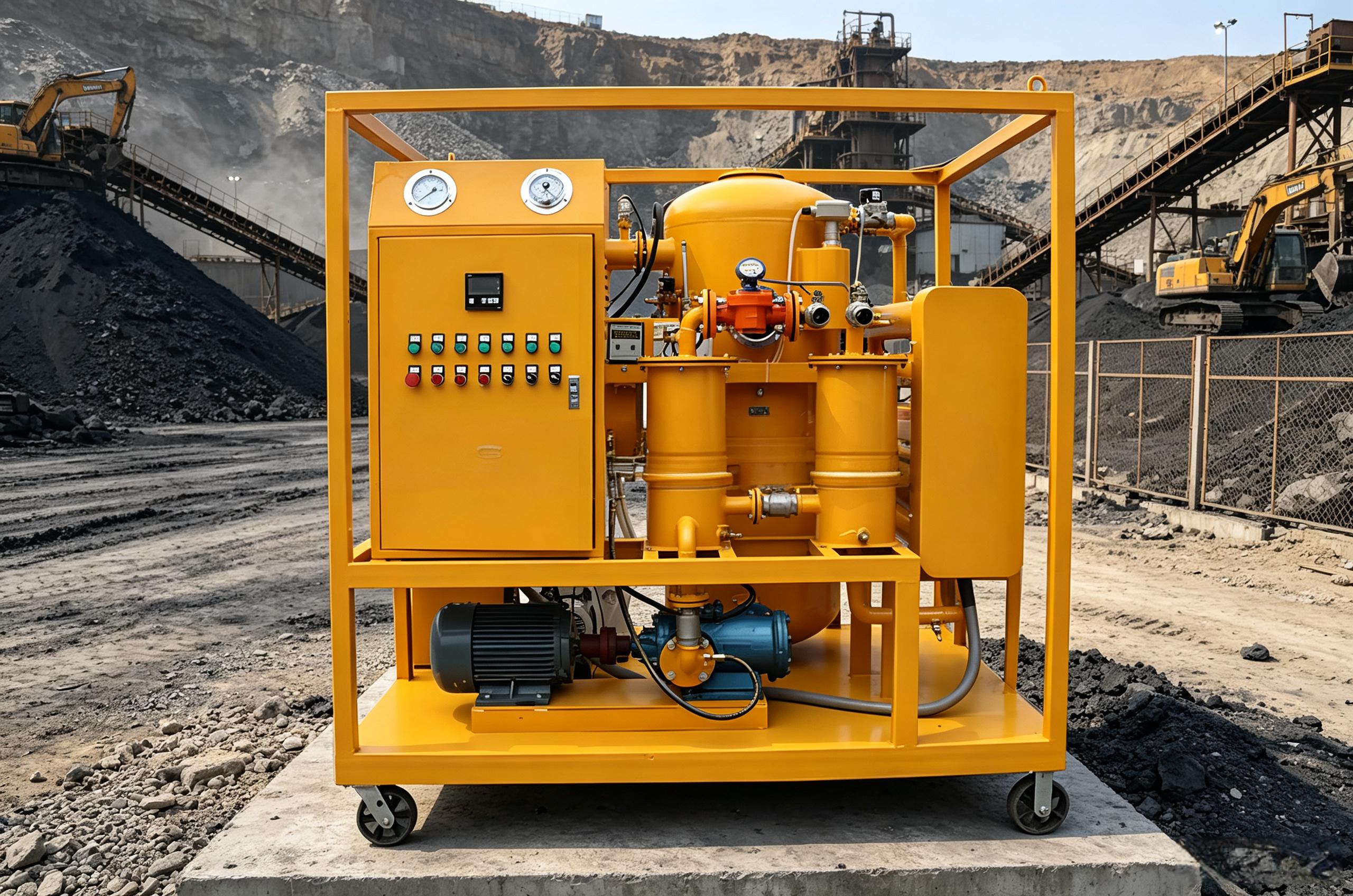
Explosion-Proof Oil Purifier Selection Guide: Which Working Conditions Require One?
How to Prevent Rapid Lubricating Oil Degradation in Steel Mills
Can an Oil Purifier Remove Acid? Understanding the Limits of Oil Regeneration
Chemical Industry Oil Purification: How to Choose the Right Oil Purifier
Why Is Coalescing Water Removal More Stable Than Vacuum Dehydration?


