E-mail seo@sino-purification.com

Time:2026-03-13 13:28:32 Reading volume:
Meta Description: Facing overheating issues in your oil purification plant? Learn how to troubleshoot temperature rise, prevent oil carbonization, and optimize heater watt density for transformer oil.
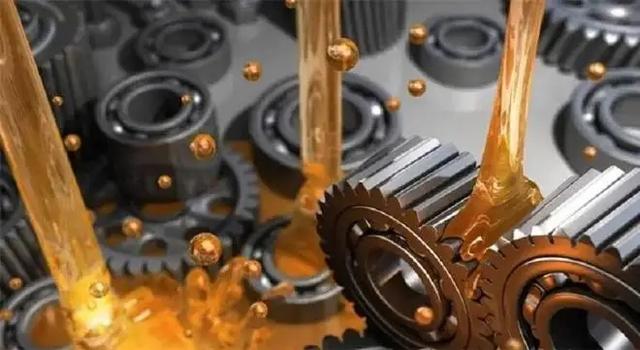
When operating a double-stage vacuum transformer oil purifier, maintaining the precise temperature is critical. While heating the oil reduces viscosity and accelerates moisture removal, an uncontrolled temperature rise can lead to thermal cracking and compromise the Breakdown Voltage (BDV) of the insulating oil.
If your purification unit is overheating, here are the professional troubleshooting steps to protect your equipment and oil quality.
The most common cause of a sudden temperature rise is an insufficient flow rate.
The Risk: If the oil moves too slowly, it stays in contact with the heating elements for too long, absorbing excessive thermal energy.
Solution: Check for clogged primary filters or suction side air leaks. Ensure your oil pump is operating at its rated capacity to maintain a steady heat exchange.
For sensitive transformer oil, the watt density of the electric heaters should ideally be between $1.0\text{ W/cm}^2$ and $1.5\text{ W/cm}^2$.
The Issue: High-watt density heaters cause localized overheating at the element surface.
Consequence: This leads to oil carbonization, forming a black sludge that insulates the heater, causing it to burn out or further spike the oil temperature.
Your temperature controller (PID) is only as good as its sensors.
Maintenance Tip: Over time, a layer of oxidized oil can coat the thermocouple or PT100 sensor. This "insulation" causes the sensor to report a lower temperature than the actual oil, forcing the heaters to stay on dangerously long.
Action: Regularly inspect and clean the sensor probes during routine maintenance.
In a high-performance double-stage vacuum system, water should evaporate at lower temperatures (approx. $45\text{°C} - 55\text{°C}$).
The Trap: If your vacuum pump isn't reaching deep vacuum ($< 10\text{ Pa}$), operators often mistakenly increase the heat to $80\text{°C}+$ to compensate.
Best Practice: Optimize your vacuum seal rather than increasing the thermal load to preserve the oil's chemical properties.
| Symptom | Potential Root Cause | Recommended Action |
| Rapid Temp Spike | Low oil level / Flow blockage | Inspect inlet solenoid valves |
| Burnt Oil Odor | Excessive Watt Density | replace with low-load heating elements |
| Inaccurate Readings | Carbonized Sensor Probe | Clean or recalibrate the PID controller |
| High Temp / Low BDV | Thermal Oxidation | Reduce set-point; improve vacuum depth |
Managing temperature effectively requires a system with intelligent automation. Our Double-Stage Vacuum Transformer Oil Purifiers feature:
Interlocked Protection: Heaters automatically shut off if the oil flow stops.
Low-Density Heating: Carbon-free heating technology to extend oil life.
Digital PID Control: Precise temperature regulation within $\pm 1\text{°C}$.
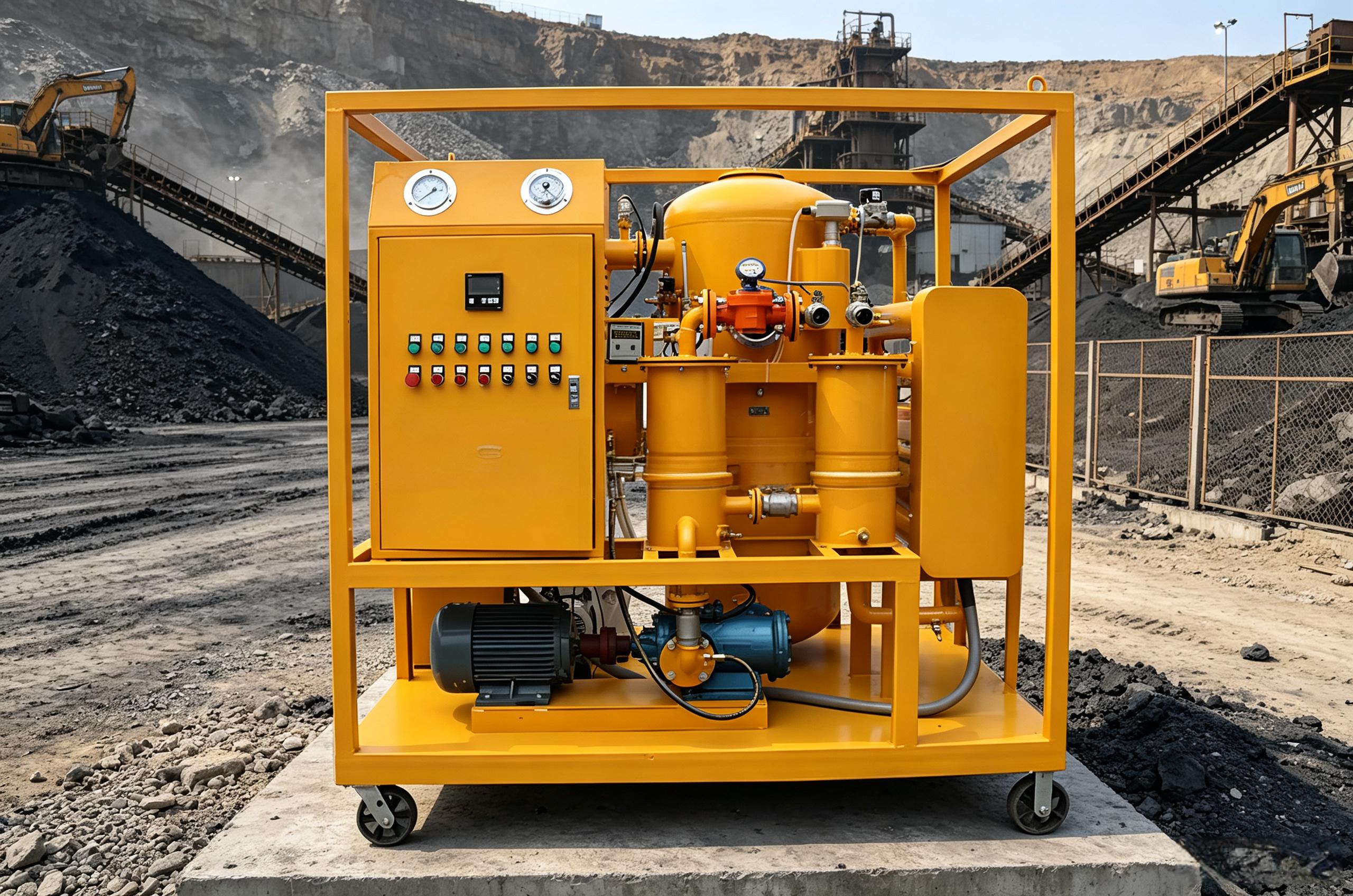
Explosion-Proof Oil Purifier Selection Guide: Which Working Conditions Require One?
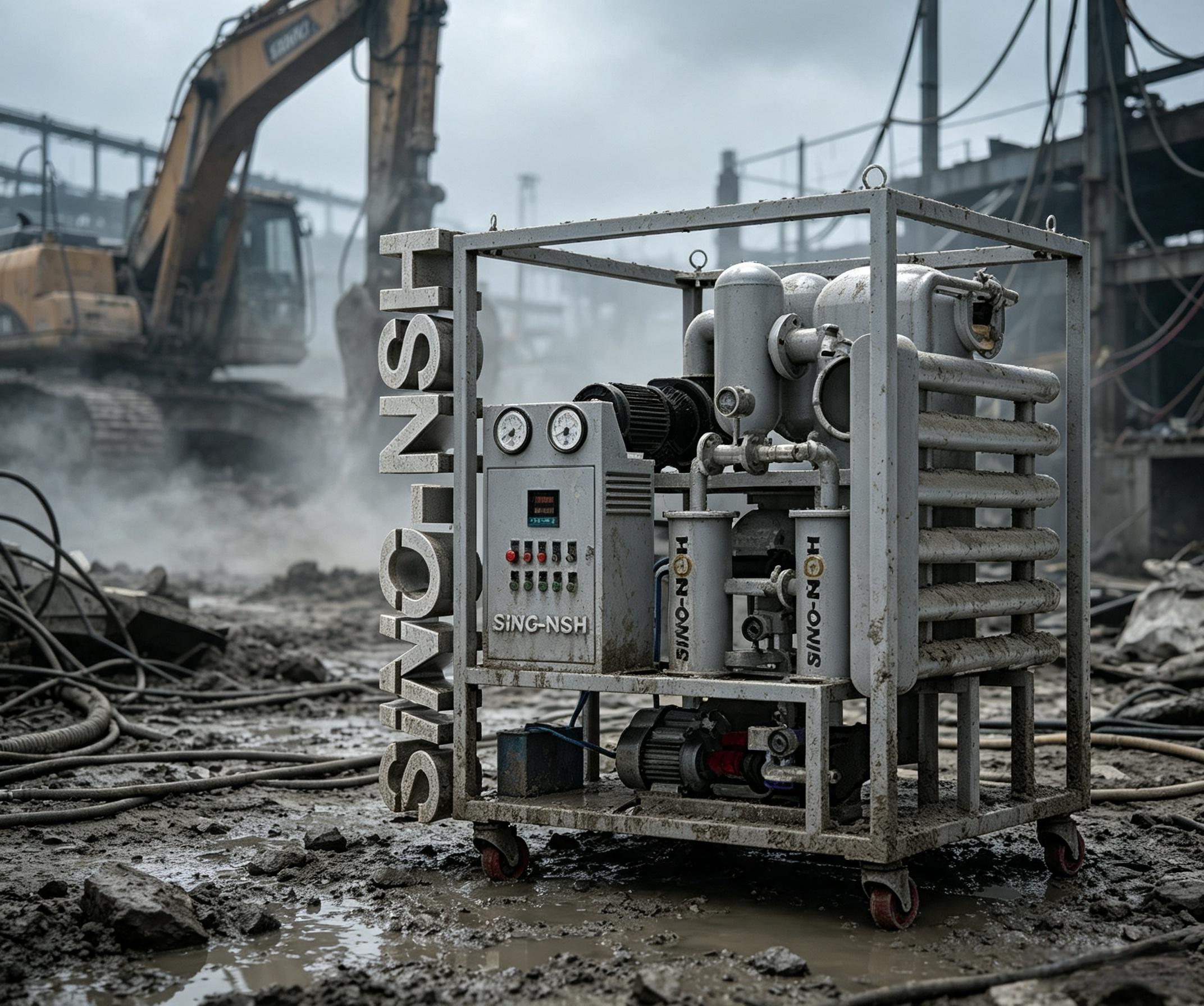
How to Prevent Rapid Lubricating Oil Degradation in Steel Mills
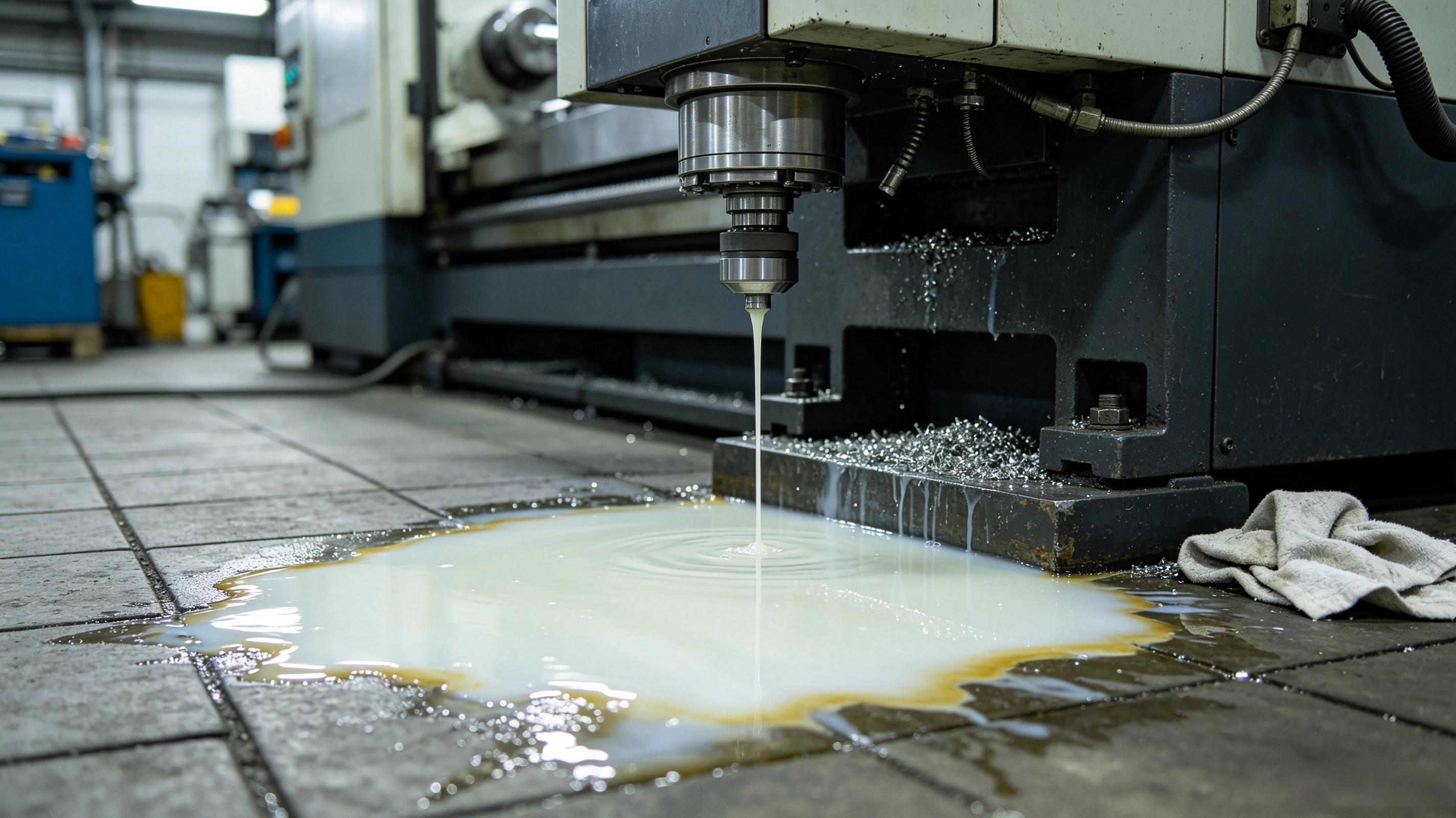
Can an Oil Purifier Remove Acid? Understanding the Limits of Oil Regeneration
Chemical Industry Oil Purification: How to Choose the Right Oil Purifier
Why Is Coalescing Water Removal More Stable Than Vacuum Dehydration?


