E-mail seo@sino-purification.com

Time:2025-12-10 13:11:39 Reading volume:
Choosing the best and most economical oil-filtration method requires understanding your contaminant type, cleanliness target, oil volume, and budget.
Core principle: Match the filtration method to the contaminant, and match the investment to the oil usage frequency.
Industrial oils usually contain solid particles, water, and sludge/oxidation by-products.
The most effective modern solution is typically:
Vacuum dehydration + precision particle filtration.
Principle: Oil circulates through filter elements or bags.
Pros
Low cost
Flexible for multiple machines
Easy to maintain
Can remove particles and small amounts
Cons
Slow for heavy water contamination
Filter elements are consumables
Best for: Routine maintenance, particulate control, and small water removal.
Principle: Oil forms a thin film under vacuum; water evaporates at low temperatures.
Pros
Removes free, dissolved, and emulsified water
Removes gases and volatiles
High long-term economic value
Cons
Higher initial investment
Slower for high-viscosity oils
Best for: Water-ingress events, turbine oil, hydraulic oil requiring low moisture.
ROI: Often recovers cost within 1–2 years by avoiding oil replacement.
Pros
High throughput
No filter media consumption
Cons
Ineffective for dissolved water and fine particles
Requires manual cleaning
Best for: Marine, heavy machinery applications with major water and sludge.
Pros
Removes sludge, varnish, oxidation products
Extends oil service life
Cons
Slow processing
High equipment cost
Best for: High-precision systems, aviation-grade lubrication, long-term oil health management.
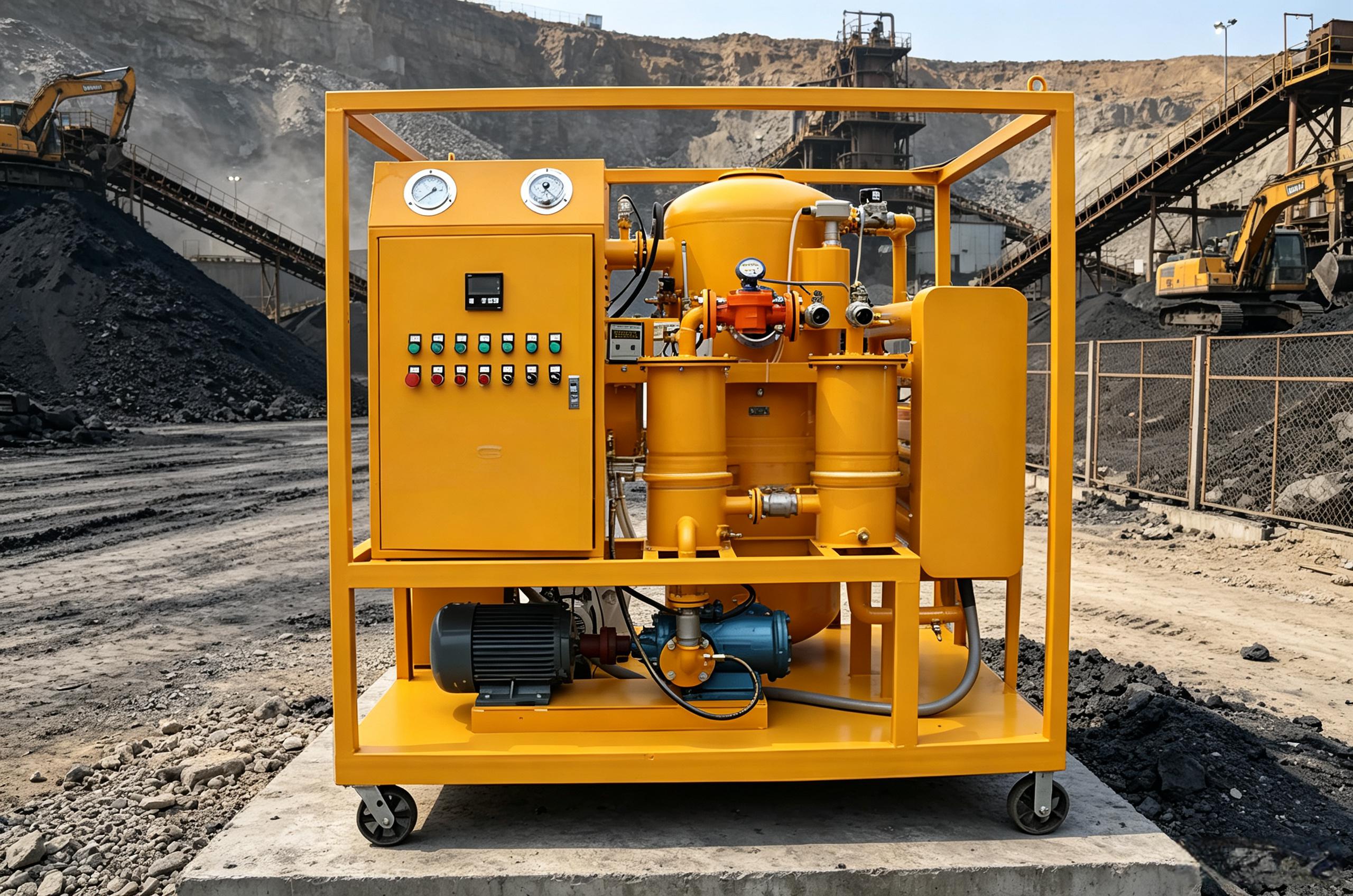
A mobile vacuum oil filtration cart (combined dehydration + particulate removal).
Solves 80% of common oil problems with moderate investment.
Small budget: Start with a basic oil filter cart for particle control.
Water problems: Add or upgrade to a vacuum dehydration unit.
Critical systems: Use online filtration + periodic offline deep purification.
Maintain equipment sealing to prevent contamination.
Perform routine oil testing to determine filtration cycles.
Filter instead of replacing oil unless chemical degradation is severe.
Final Recommendation
Consult 2–3 professional suppliers. Provide:
oil type, viscosity level, contamination type, cleanliness target, and budget.
A medium-sized vacuum purifier is usually the optimal balance of performance and cost.
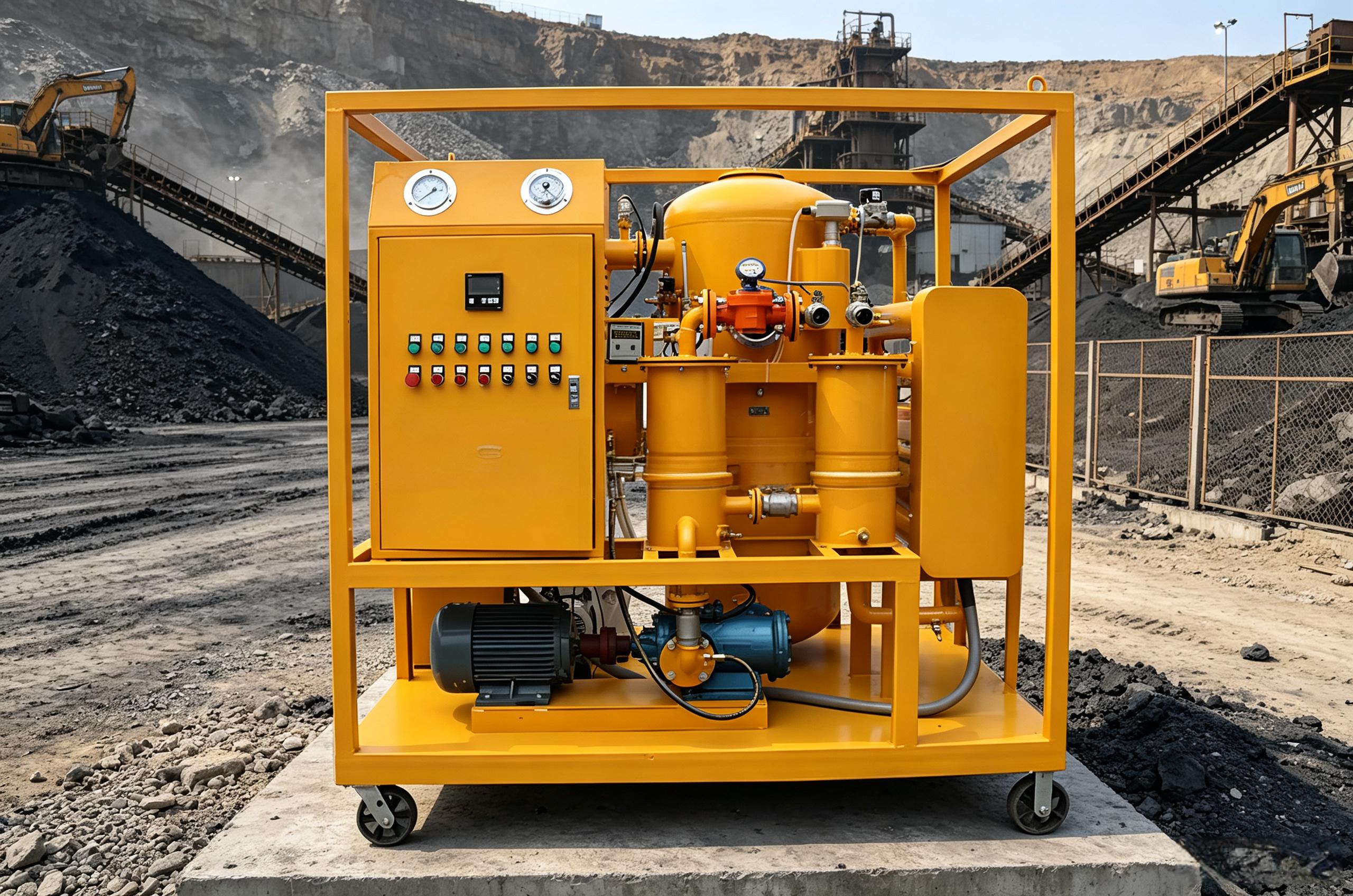
Explosion-Proof Oil Purifier Selection Guide: Which Working Conditions Require One?
How to Prevent Rapid Lubricating Oil Degradation in Steel Mills
Can an Oil Purifier Remove Acid? Understanding the Limits of Oil Regeneration
Chemical Industry Oil Purification: How to Choose the Right Oil Purifier
Why Is Coalescing Water Removal More Stable Than Vacuum Dehydration?


