E-mail seo@sino-purification.com

Time:2026-03-05 13:55:56 Reading volume:
Meta Description: Low transformer oil breakdown voltage (BDV) despite filtration? Learn the 4 root causes—micro-moisture, particles, gases, and oxidation—and how double-stage vacuum purifiers restore dielectric strength.
If your oil purifier isn't raising the Breakdown Voltage (BDV), simple mechanical filtration is missing invisible contaminants. The most common culprits are:
Micro-moisture (< 20 ppm) forming conductive micro-bridges under electric stress.
Sub-micron cellulose or carbon particles serving as discharge points.
Dissolved gases and micro-bubbles causing early electrical breakdown.
Polar oxidation acids requiring chemical adsorption rather than vacuum degassing alone.
Breakdown Voltage (BDV) measures the dielectric strength of transformer insulating oil—specifically, its capacity to withstand electrical stress without voltage discharge.
When BDV drops below standard operational thresholds (such as IEC 60156 or ASTM D1816), the risk of internal flashovers and catastrophic power transformer failure increases exponentially.
Distribution Transformers (< 35 kV): Equal to or greater than 40 kV - 50 kV
High Voltage Systems (110 kV - 220 kV): Equal to or greater than 60 kV
Ultra High Voltage Systems (330 kV - 1000 kV): Equal to or greater than 70 kV
If your oil purification cycle yields stagnant BDV test readings, one of the four underlying causes below is blocking dielectric recovery.
Even a tiny moisture concentration of 20 ppm can cut the dielectric strength of new transformer oil in half.
The Mechanism: Water molecules are polar. Under high-voltage electric fields, dispersed micro-water droplets align sequentially to form a conductive "electric bridge" between test electrodes, triggering premature breakdown.
Particulate contamination dramatically reduces the discharge threshold of dielectric oil.
Metallic Dust: Generated by pump impeller wear or internal transformer components.
Cellulose Fibers: Shedding from aging transformer paper insulation.
Carbon Black: Particles formed by previous internal arcing or overheating.
Impact: Microscopic solid particles serve as dynamic seeds around which gas bubbles and water molecules coalesce to form discharge channels.
Incomplete vacuum degasification leaves residual air micro-bubbles or combustible gases (such as Acetylene C2H2 or Ethylene C2H4) in suspension.
Impact: Gases ionize at much lower dielectric field strengths than liquid oil, initiating partial discharge (PD) during BDV electrode testing.
Over time, thermal stress and oxygen generate organic acids, peroxides, and polar sludge.
Impact: These polar decay products elevate the oil's Dielectric Dissipation Factor (Tan Delta). Standard physical particulate filters and single-stage vacuum degasifiers cannot remove dissolved chemical decay products.
Before troubleshooting your oil purification equipment, confirm your sampling protocol:
Use clean, amber glass bottles pre-rinsed with the target transformer oil.
Never sample in ambient humidity exceeding 70% or during rain.
Drain and flush the sampling valve with 2 to 3 liters of oil prior to collecting the test sample to remove valve cavity sediment.
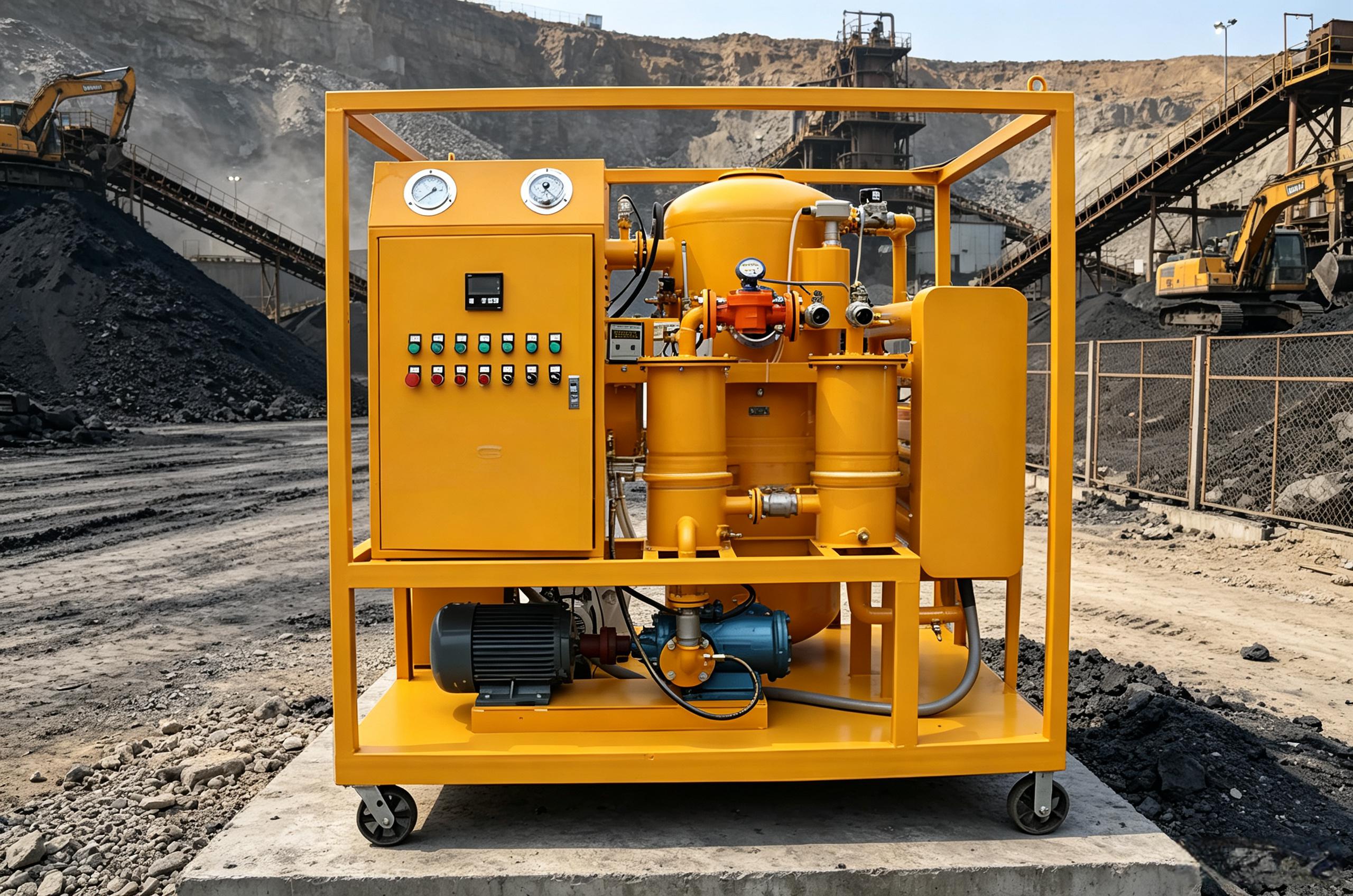
To achieve high dielectric breakdown levels (> 70 kV for High Voltage EHV/UHV systems), a standard mechanical oil filter is insufficient. You require a Double-Stage Vacuum Oil Purifier.
Target Specification: Reduce dissolved water to less than 5 ppm and total gas content to less than 0.1%.
Process Heating: Heat the oil to 45°C – 65°C. Heating lowers oil viscosity, allowing suspended water molecules and trapped gases to flash off rapidly inside the three-dimensional vacuum chamber.
When moisture levels test low but BDV remains erratic, particle contamination is almost always responsible.
Action: Install a multi-stage high-precision filter element down to 1–3 microns.
Filter Rating: Specify filters with a Beta ratio equal to or greater than 1000 (Beta >= 1000) to guarantee over 99.9% trapping efficiency of microscopic cellulose and metallic debris.
If the transformer oil has turned dark yellow/brown or exhibits an acid value greater than 0.03 mg KOH/g:
Action: Connect a Fuller's Earth or Activated Alumina Regeneration Unit. Chemical adsorption neutralizes acidic byproducts and removes polar compounds that mechanical filters cannot capture.
Ultimate Vacuum Level: Approx. 133 Pa (1 Torr)
Roots Vacuum Pump: Not Included
BDV Improvement Rate: 10 – 20 kV per pass
Target Water Removal: Down to 20 ppm
Recommended Application: Distribution Transformers (< 35 kV)
Ultimate Vacuum Level: Less than or equal to 5 Pa (0.037 Torr)
Roots Vacuum Pump: Includes Roots Vacuum Booster Pump
BDV Improvement Rate: 30 – 50 kV per pass
Target Water Removal: Down to less than 5 ppm
Recommended Application: High-Voltage Power Transformers (110 kV – 1000 kV)
Inspect Vacuum Pump Oil: If the vacuum pump oil appears milky or cloudy, moisture has contaminated the pump. It will fail to achieve the ultimate vacuum (< 5 Pa) required for deep dehydration.
Optimize Oil Flow Rate: Reduce the processing flow rate during the first few passes. A slower flow rate increases the residence time inside the vacuum chamber, maximizing film evaporation.
Control Process Temperature: Keep oil temperatures strictly between 45°C and 65°C. Oil under 40°C won't release moisture efficiently, while oil over 80°C accelerates thermal oxidation.
For new or processed oil in distribution transformers (< 35 kV), a BDV above 40–50 kV is acceptable. For high-voltage transformers (110 kV and above), the BDV must exceed 60–70 kV according to IEC 60156 standards.
This usually occurs due to re-contamination during sampling, improper hose flushing, or residual micro-bubbles remaining in the oil right after processing. Allow filtered oil to settle for 24 hours before taking a final BDV test.
Standard vacuum oil filtration removes water, gas, and solid particles, but cannot remove soluble acids or polar compounds. To lower acid values and improve Tan Delta, you must use a chemical oil regeneration system using Fuller's Earth.
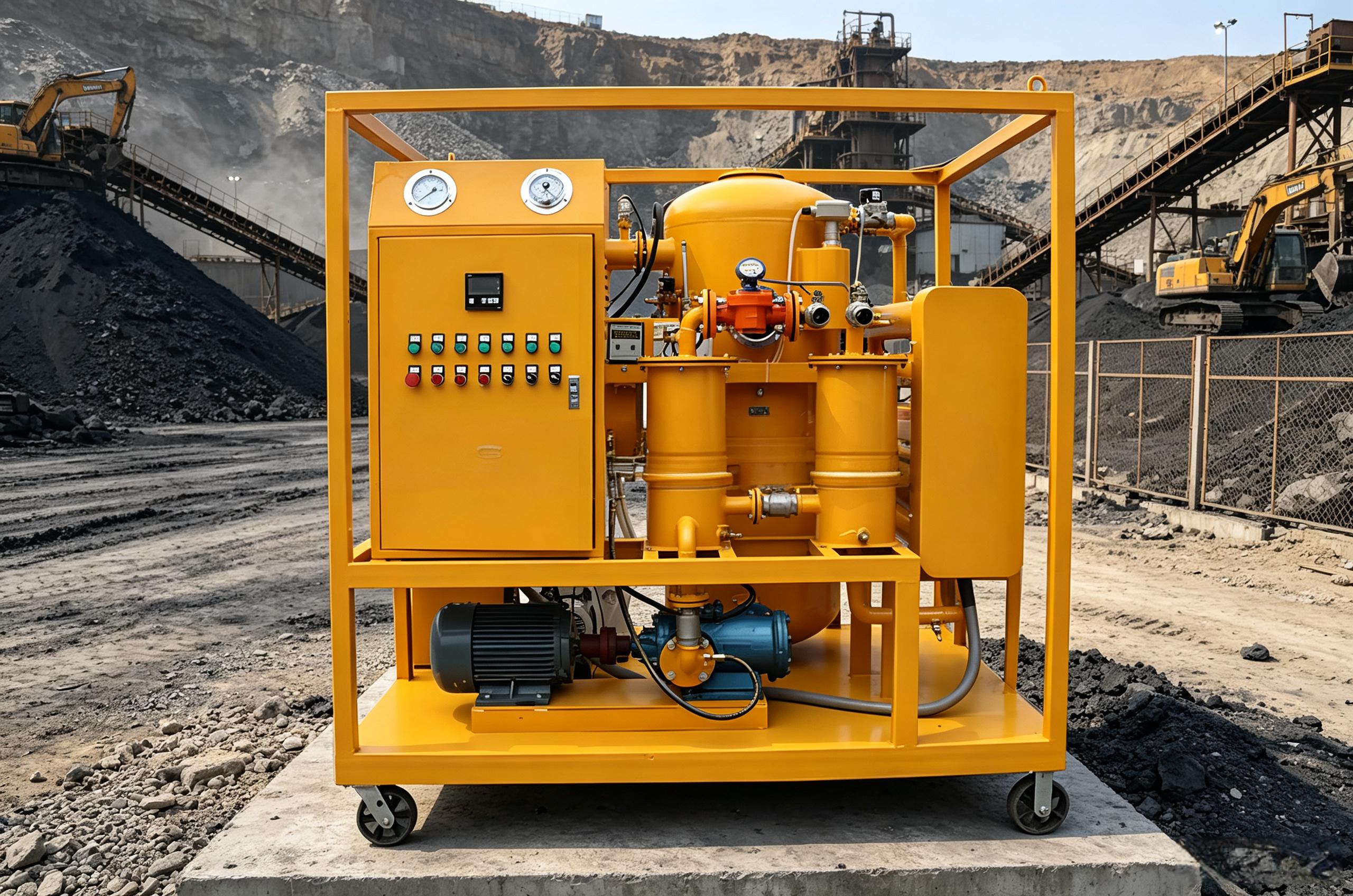
Explosion-Proof Oil Purifier Selection Guide: Which Working Conditions Require One?
How to Prevent Rapid Lubricating Oil Degradation in Steel Mills
Can an Oil Purifier Remove Acid? Understanding the Limits of Oil Regeneration
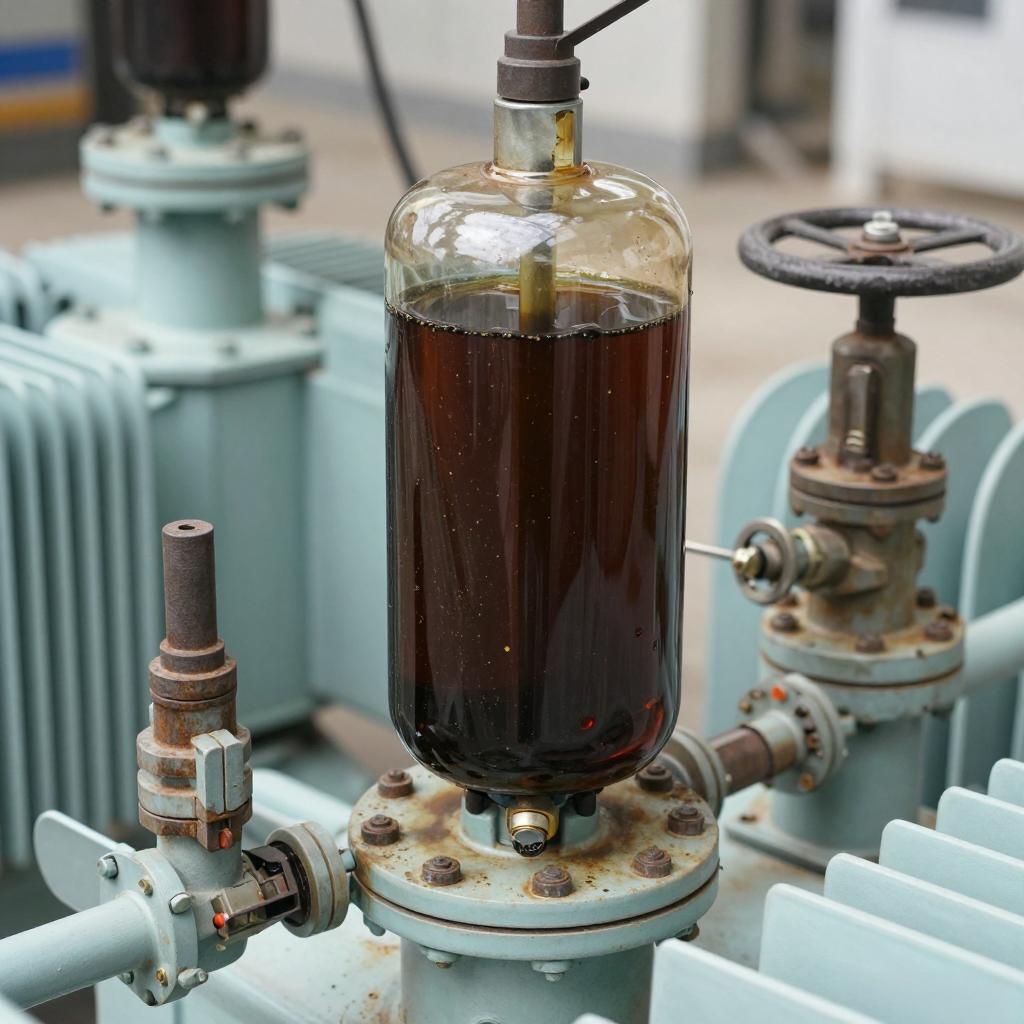
Chemical Industry Oil Purification: How to Choose the Right Oil Purifier
Why Is Coalescing Water Removal More Stable Than Vacuum Dehydration?


