E-mail seo@sino-purification.com

Time:2025-12-08 15:53:19 Reading volume:
Transformer oil filtration is essential for maintaining the insulation, cooling, and arc-quenching functions of transformer oil. Its goal is to ensure safe, stable, and long-term transformer operation.
Transformer oil is the main insulating medium in a transformer. Filtration protects insulation strength by removing:
1. Moisture (Free & Dissolved Water)
Moisture sharply reduces breakdown voltage and can cause partial discharge.
Key methods: vacuum dehydration, coalescing separation, and high-vacuum degassing.
Typical water content after treatment: ≤10–35 ppm.
2. Solid Impurities
Metal particles, fibers, and carbon residues weaken insulation.
Cleanliness targets: micron-level filtration, NAS 5–7.
3. Oil Quality Degradation
Acids, oxidation products, and sludge accelerate insulation aging. Filtration slows deterioration.
Transformer oil also removes heat from the windings and core.
1. Maintaining Viscosity & Fluidity
Clean, dry oil ensures smooth circulation and prevents hotspots.
2. Preventing Blockages
Sludge or particles can clog cooling channels or radiators. Filtration keeps oil flow unobstructed.
1. Preventing Corrosion
Moisture and acids damage metals and paper insulation. Filtration controls acid value (≤0.1 mg KOH/g).
2. Removing Dissolved Gases
High-vacuum degassing lowers gases associated with overheating or discharge, supporting early fault detection.
3. Restoring Aged Oil
Adsorbent treatment (silica gel, alumina) helps recover aged oil performance and extends replacement intervals.
Before filling new transformers: Ensure new oil meets IEC 60422 / GB/T 7595.
Routine maintenance: Remove moisture and contaminants accumulated during operation.
After overhauls: Remove impurities introduced during cover lifting or component replacement.
After faults: Remove carbon particles and gases generated by overheating or discharge.
Particle removal: Plate filters, cellulose cartridges, fine filters.
Moisture removal: Vacuum dehydration, coalescing separation, high-vacuum drying.
Gas removal: High-vacuum degassing.
Acid/sludge removal: Adsorbents, oil regeneration systems.
Typical Process:
Coarse filtration → Heating → Vacuum dehydration/degassing → Fine filtration → Oil injection.
Conclusion: Why Transformer Oil Filtration Matters
Transformer oil filtration is a complete oil management process that:
Improves insulation and cooling safety
Increases operational reliability
Reduces lifetime maintenance and oil replacement costs
Supports condition-based monitoring and smarter maintenance
It is an essential, cost-effective part of modern transformer maintenance and power system reliability.
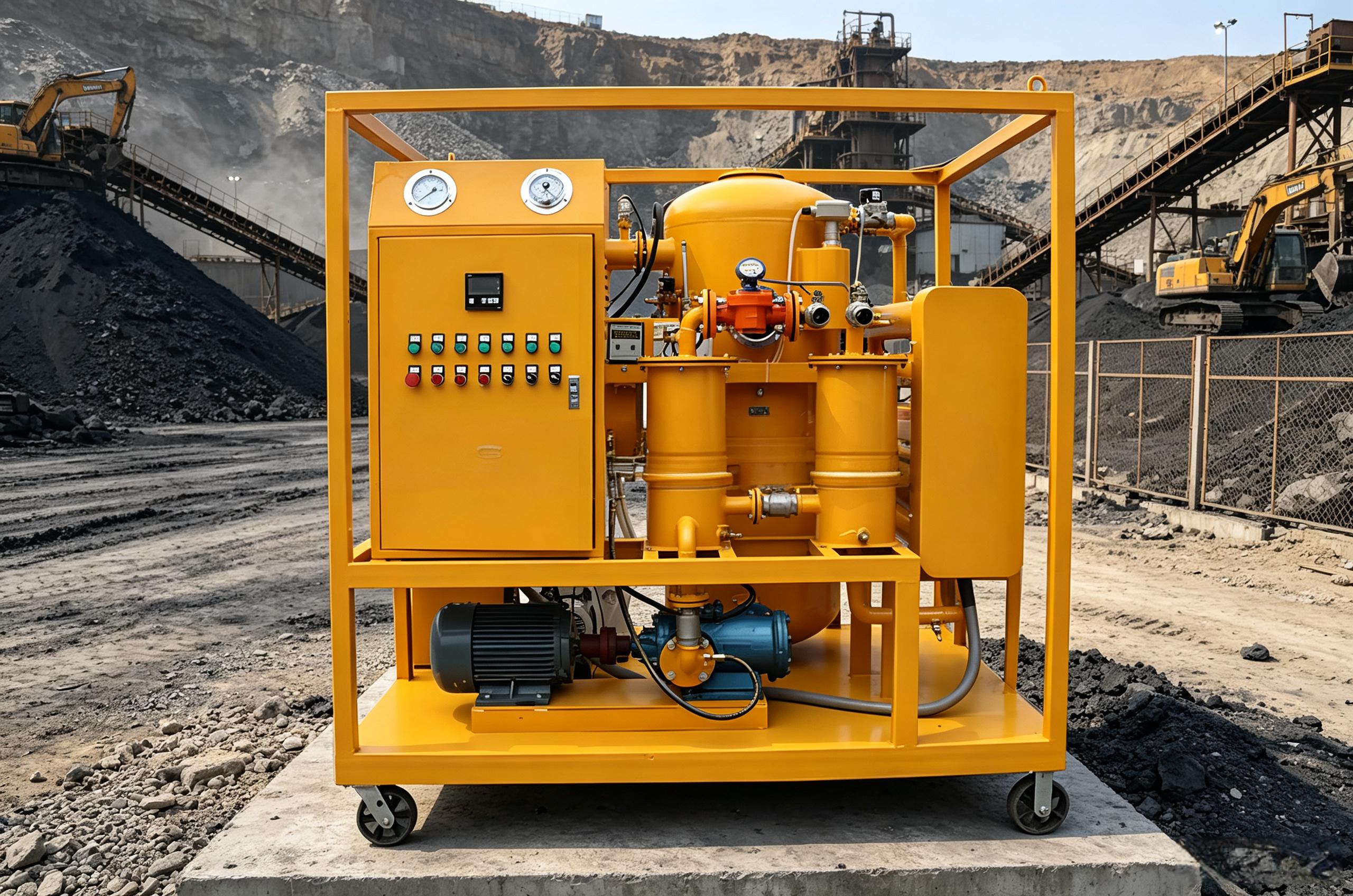
Explosion-Proof Oil Purifier Selection Guide: Which Working Conditions Require One?
How to Prevent Rapid Lubricating Oil Degradation in Steel Mills
Can an Oil Purifier Remove Acid? Understanding the Limits of Oil Regeneration
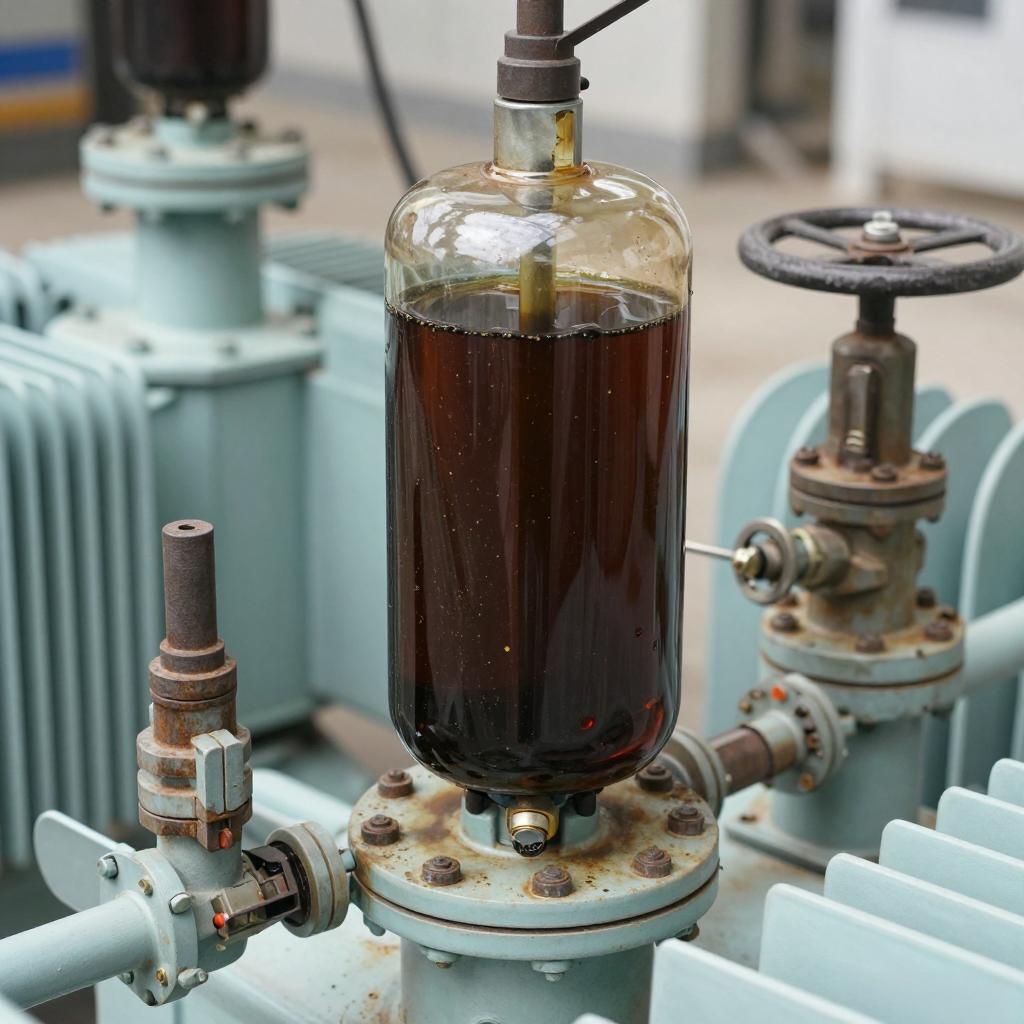
Chemical Industry Oil Purification: How to Choose the Right Oil Purifier
Why Is Coalescing Water Removal More Stable Than Vacuum Dehydration?


