E-mail seo@sino-purification.com

Time:2026-03-19 14:27:36 Reading volume:
When sourcing a transformer oil filtration machine (vacuum oil purifier), focusing solely on price or brand is a common mistake that leads to equipment failure or poor oil dielectric strength. Whether you are maintaining a 110kV substation or a 500kV UHV transformer, the efficiency of your oil treatment depends on five technical pillars.
Based on current industry standards and field engineering experience, here is the ultimate checklist for your next procurement.
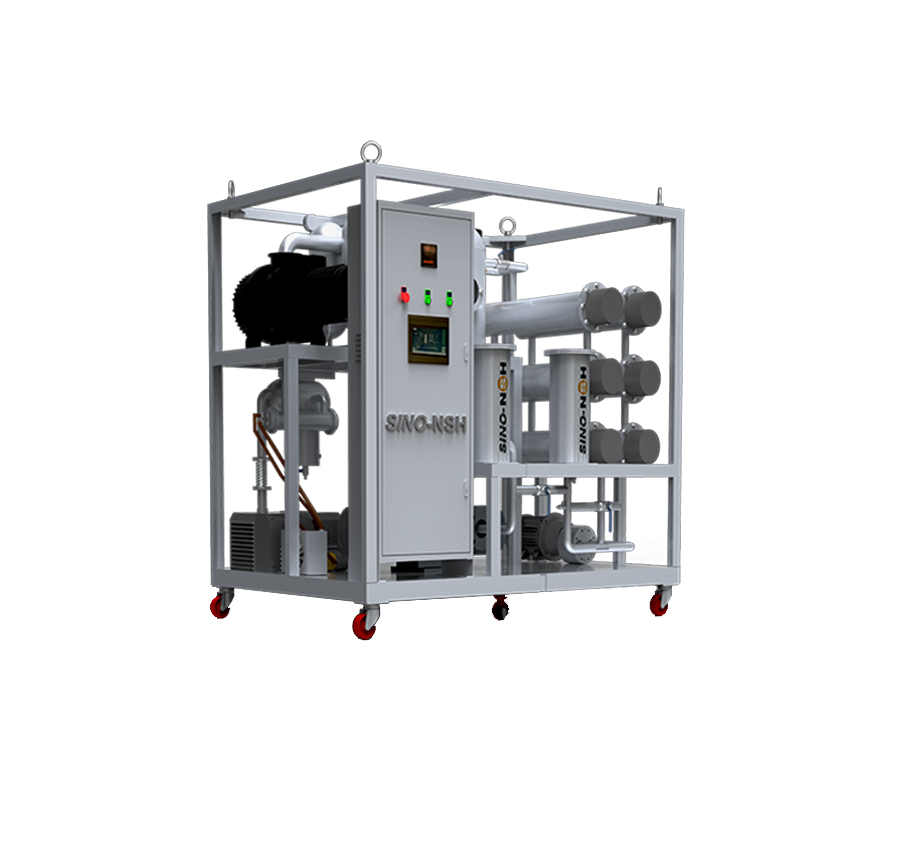
The vacuum degree determines the "pulling power" required to extract moisture and dissolved gases. Water in transformer oil exists as free, emulsified, and dissolved water. Dissolved water is the most stubborn and requires high-vacuum dehydration.
Standard Maintenance (≤110kV): Look for a working vacuum of ≤100 Pa (absolute pressure).
High Voltage (≥220kV): You must specify equipment reaching ≤50 Pa to achieve water content levels below 5 ppm.
Pro Tip: Opt for a two-stage vacuum system (Rotary Vane Pump + Roots Pump). This configuration offers faster evacuation speeds and deeper ultimate vacuum levels than single-stage units.
Microscopic particulate matter (metal shavings, dust, and carbon) acts as a bridge for electrical discharge, significantly lowering the Breakdown Voltage (BDV).
Precision Target: For modern transformers, filtration accuracy must be 1–5 μm.
Cleanliness Standard: Ensure the output meets NAS 1638 Class 6 or ISO 4406 15/12 standards.
Graded Filtration: High-quality purifiers use a three-stage approach: a 100μm primary filter, a 20μm secondary filter, and a 1-3μm fine filter to prevent premature clogging of the expensive fine elements.
The technical specs of the machine matter less than the guaranteed chemical properties of the oil after a single pass or cycle. Always include these benchmarks in your purchase contract.
Buying a machine with a flow rate that is too high causes "skimming," in which oil passes through the vacuum chamber too quickly to be degassed. Too low, and your downtime extends by days.
(1)The 3-Cycle Rule:
The flow rate should allow for the total oil volume to be circulated 2.5 to 3 times within an 8-12 hour shift.
(2)Reference Sizing:
Distribution Transformers: 1,200–3,000 L/H.
110kV Main Transformers (15-20 tons): ~6,000 L/H.
220kV+ Large Transformers (30+ tons): 9,000–12,000 L/H.
Heating reduces oil viscosity, facilitating moisture evaporation. However, transformer oil is sensitive to heat; if the heating element's surface power density is too high, it will "crack" or carbonize the oil.
Safety Ceiling: Keep heating temperatures between 45°C and 70°C. Never exceed 90°C.
Technology Check: Look for low-load heaters (<1.5W/cm²) and PID intelligent temperature control to prevent localized overheating.
Essential Safety: Ensure the unit has an interlocking protection system—if the oil flow stops, the heater must automatically shut off to prevent "dry-burn."
To ensure you aren't buying a subpar unit, ask your supplier these five direct questions:
What is the ultimate vacuum (Pa) and the pumping speed (m³/h)?
What is the micron rating of the final filter stage?
Will you guarantee a moisture level of ≤5 ppm in the contract?
How many hours will it take to process [X] tons of oil to standard?
What is the watt-density of your heating elements?
By focusing on these technical parameters rather than just the sticker price, you protect your transformer's lifespan and ensure grid stability.
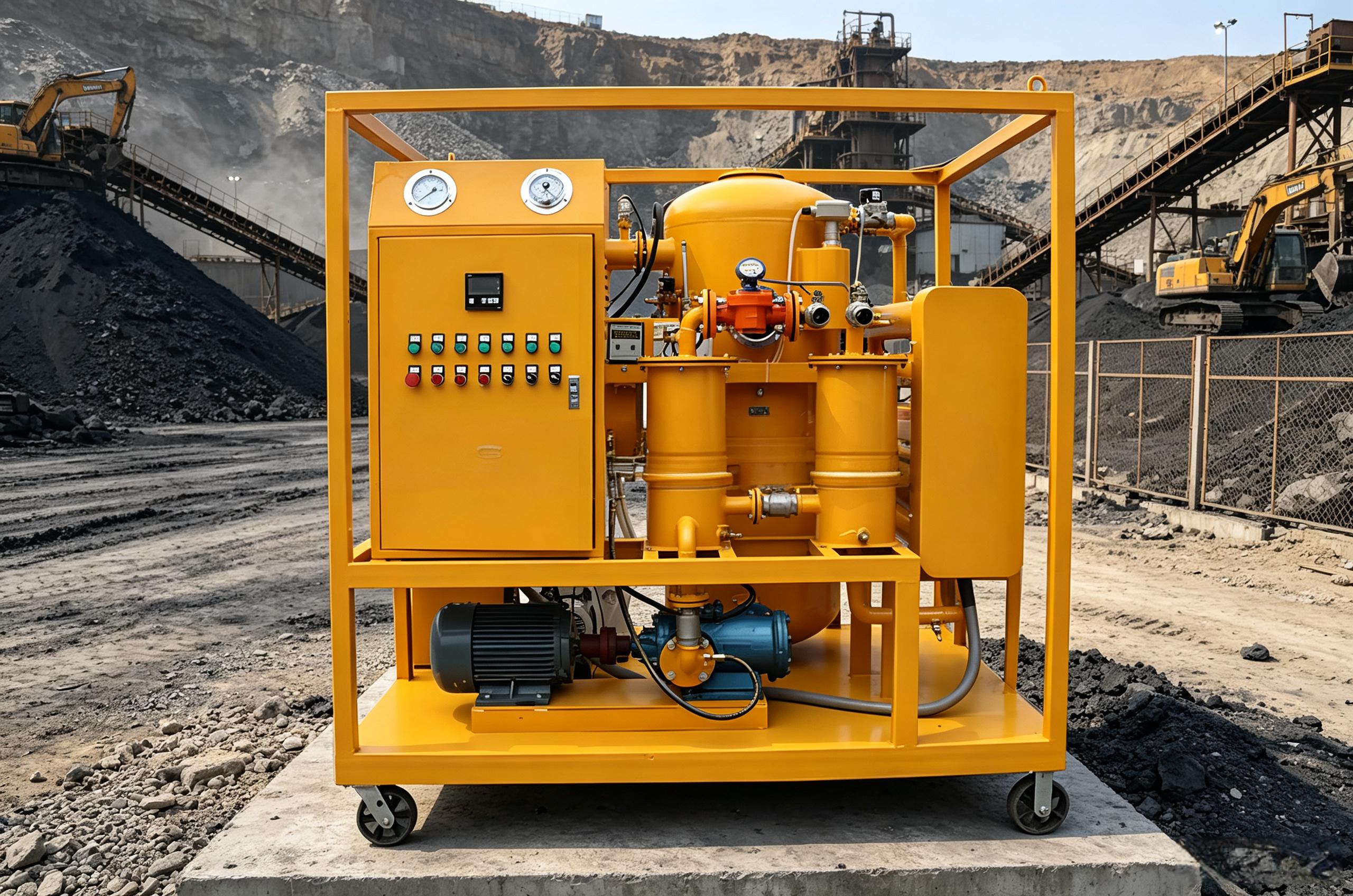
Explosion-Proof Oil Purifier Selection Guide: Which Working Conditions Require One?
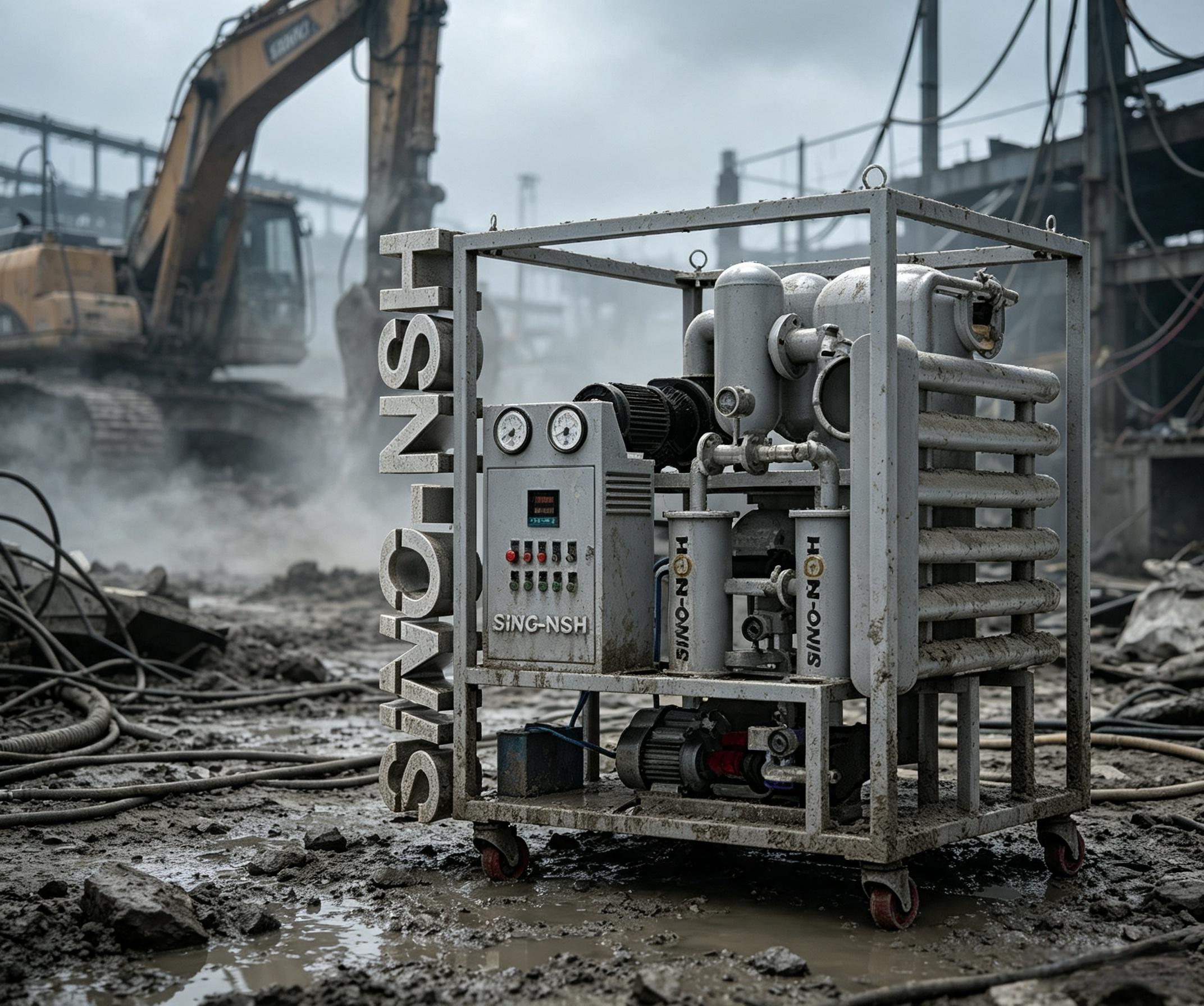
How to Prevent Rapid Lubricating Oil Degradation in Steel Mills
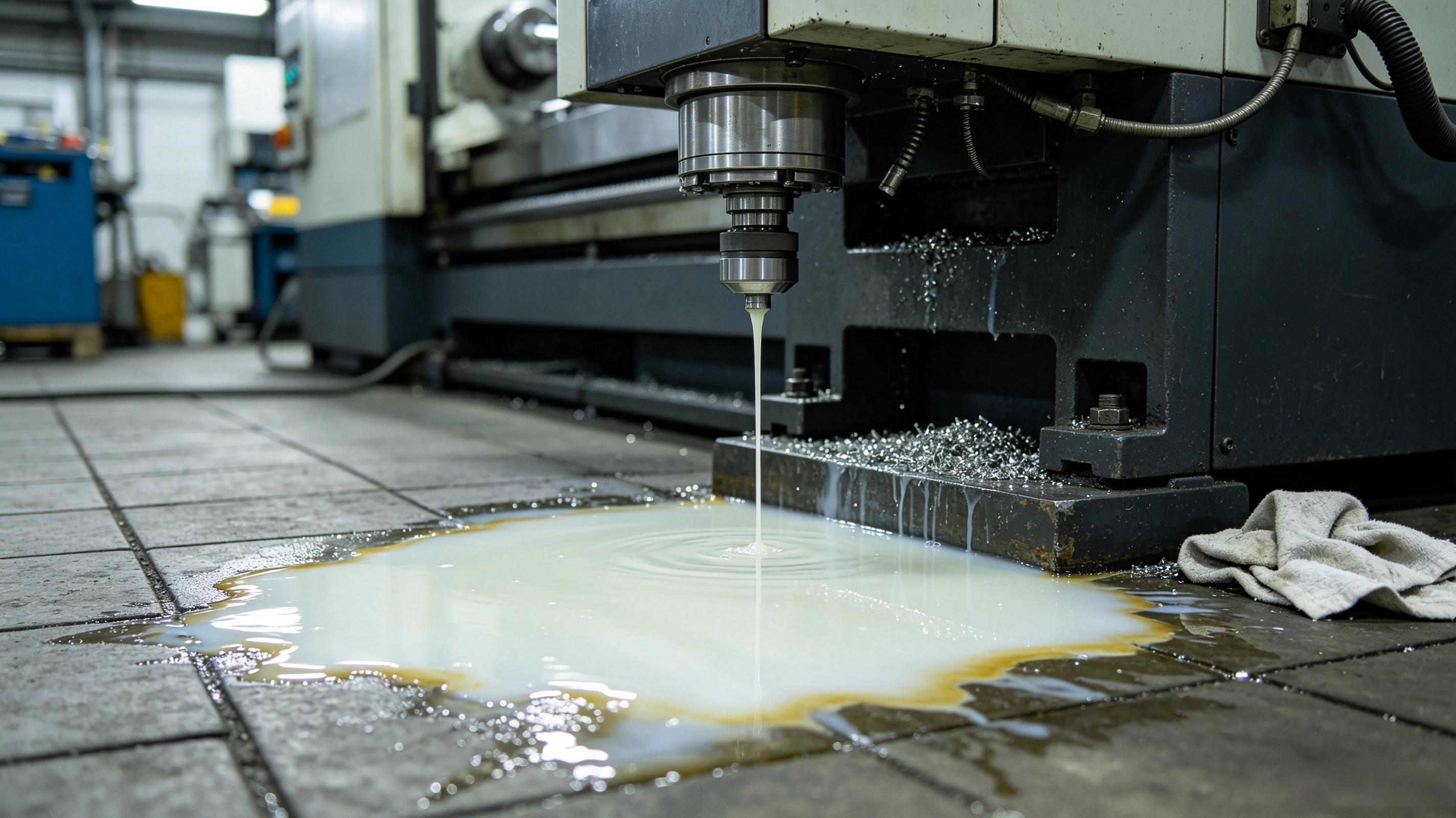
Can an Oil Purifier Remove Acid? Understanding the Limits of Oil Regeneration
Chemical Industry Oil Purification: How to Choose the Right Oil Purifier
Why Is Coalescing Water Removal More Stable Than Vacuum Dehydration?


