E-mail seo@sino-purification.com

Time:2026-01-28 10:34:13 Reading volume:
Lubricating Oil Functions, Contamination Risks, and Oil Purifier Types
Lubricating oil plays a critical role in protecting mechanical equipment by reducing friction, controlling temperature, and preventing wear. However, contamination from water, gas, and solid particles significantly degrades oil performance. This article explains the core functions of lubricating oil, the risks of contaminated oil, and the most effective types of lubricating oil purifiers.
Lubricating oil is used in engines and industrial machinery to minimize friction between moving parts and extend equipment service life. Its primary functions include lubrication, cooling, cleaning, sealing, shock absorption, and corrosion protection.
Lubrication
Lubricating oil forms a continuous oil film on moving surfaces, converting dry friction into fluid friction. This reduces wear, prevents metal seizure, and lowers energy consumption.
Cooling
Oil absorbs heat from high-temperature components such as pistons, bearings, and crankshafts and transfers it to the oil pan for heat dissipation, preventing overheating.
Cleaning
During operation, contaminants such as dust, carbon residues, oxidized oil, and metal particles are generated. Circulating lubricating oil flushes these impurities away from friction surfaces and carries them to the oil pan.
Sealing
Lubricating oil fills micro-gaps between pistons, rings, and cylinders, improving sealing performance and reducing gas leakage.
Shock Absorption
Oil in bearing clearances cushions sudden load changes, ensuring smooth operation and preventing direct metal-to-metal contact.
Anti-Corrosion
The oil film isolates metal parts from moisture and acidic gases, effectively preventing corrosion and rust.
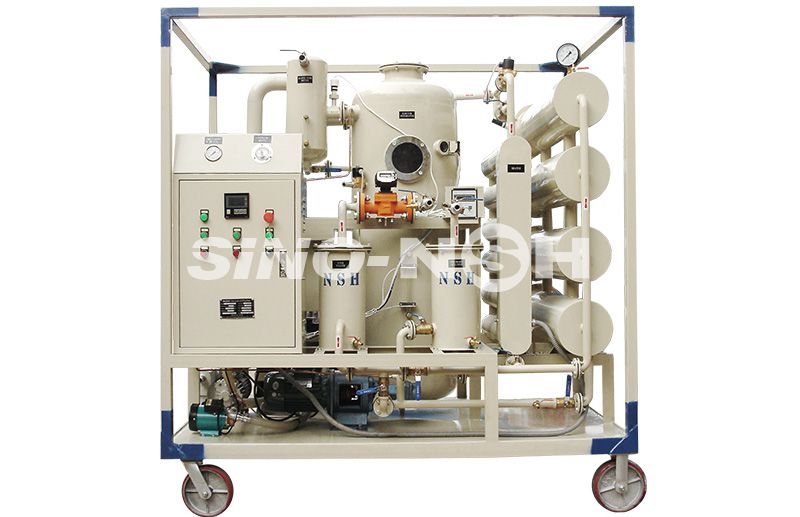
Water, gas, and particulate contamination directly reduce oil quality and accelerate equipment failure.
Reduced Oil Quality
Moisture accelerates oxidation and emulsification, destroys the oil film, causes additive depletion, and disrupts normal oil circulation.
Lower Lubricating Performance
Oil degradation reduces film strength and load-carrying capacity, impairing lubrication, cooling, and flow performance.
Wear, Corrosion, and Rust
Water and air promote electrochemical corrosion on metal surfaces, leading to rust and accelerated component wear.
Sludge Formation
Moisture reacts with solid impurities to form sludge and colloids, which block oil passages and reduce system efficiency.
Because of these risks, regular oil filtration and purification are essential for equipment reliability.
The lube oil purifier uses hydrophilic coalescing filters and hydrophobic separation elements to remove free and emulsified water. Separated water settles in a collection tank and is automatically discharged.
Suitable for:
Turbine oil
Lubricating oil
Light oil
Kinematic viscosity ≤ 46 mm²/s
The series vacuum oil filtration system combines vacuum dehydration with precision filtration to remove water, gases, and solid particles.
Suitable for:
Hydraulic oil
Turbine oil
Mechanical oil
Compressor oil
Refrigeration oil
Kinematic viscosity ≤ 320 mm²/s
The turbine oil purifier supports vacuum separation, coalescing dehydration, or a combined operation. It is designed for oils with high moisture content and severe emulsification, delivering deep dehydration and stable oil quality.
Best for:
High-water-content turbine oil
Severely emulsified lubricating oil
Why Use Lubricating Oil Purification Systems?
Restore oil performance and dielectric strength
Extend oil service life
Reduce equipment downtime and maintenance costs
Prevent corrosion, wear, and sludge buildup
Conclusion
Lubricating oil contamination directly impacts equipment efficiency and lifespan. Selecting the right lubricating oil purifier ensures effective dehydration, degassing, and removal of impurities. In addition to lubricating oil purification systems, we supply transformer oil purifiers, dry air generators, transformer vacuum pumps, and SF₆ gas recovery equipment, providing complete oil filtration and purification solutions.
Explosion-Proof Oil Purifier Selection Guide: Which Working Conditions Require One?
How to Prevent Rapid Lubricating Oil Degradation in Steel Mills
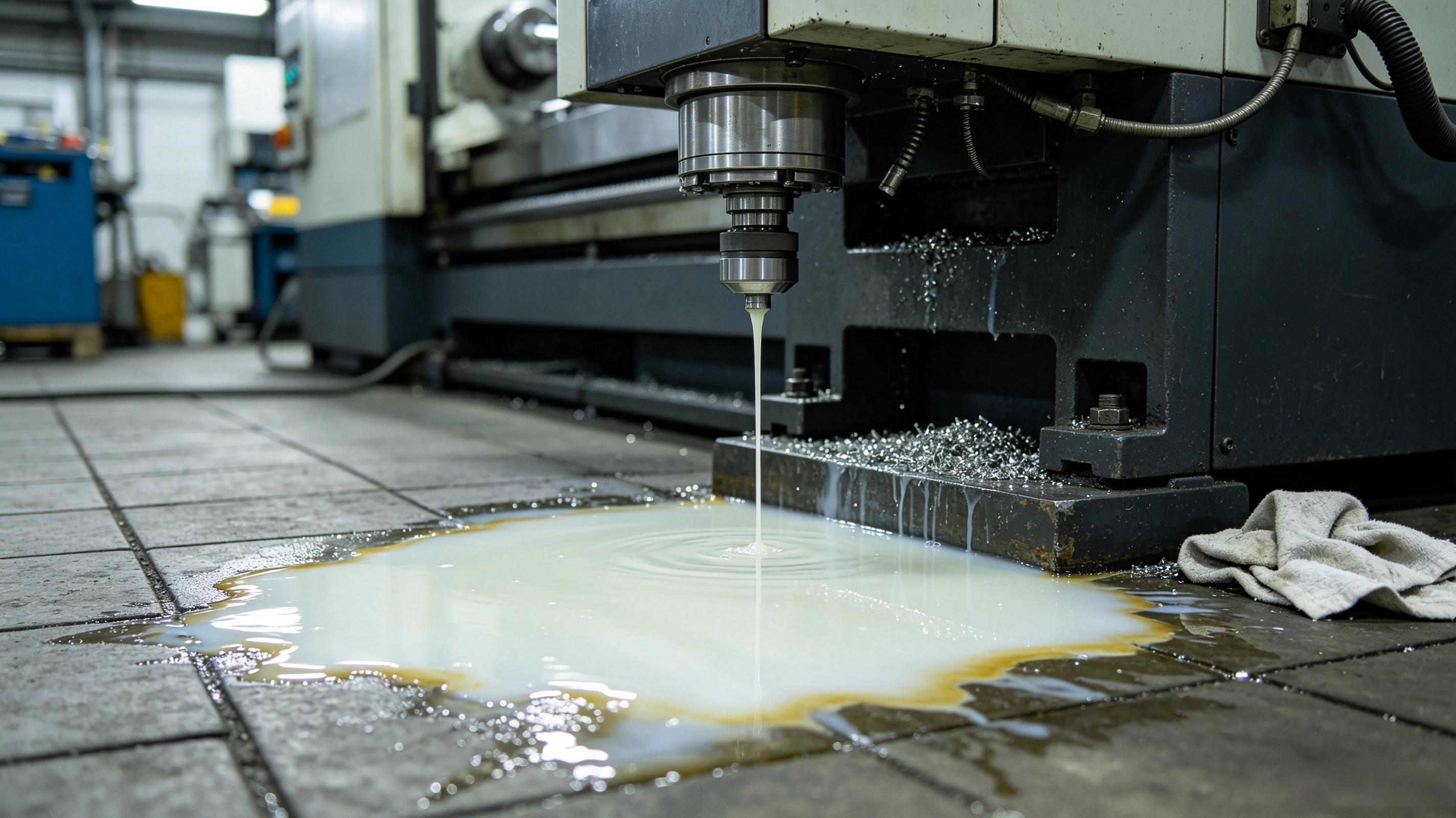
Can an Oil Purifier Remove Acid? Understanding the Limits of Oil Regeneration
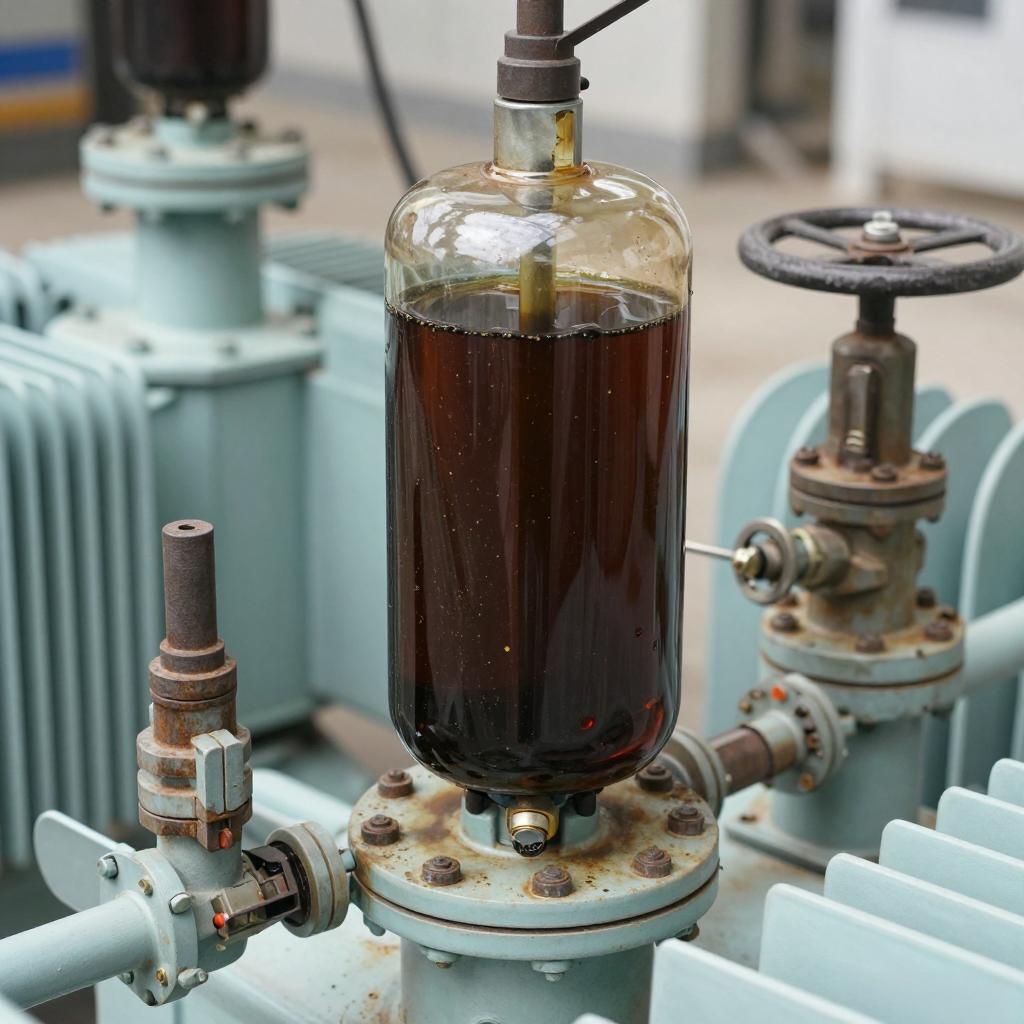
Chemical Industry Oil Purification: How to Choose the Right Oil Purifier
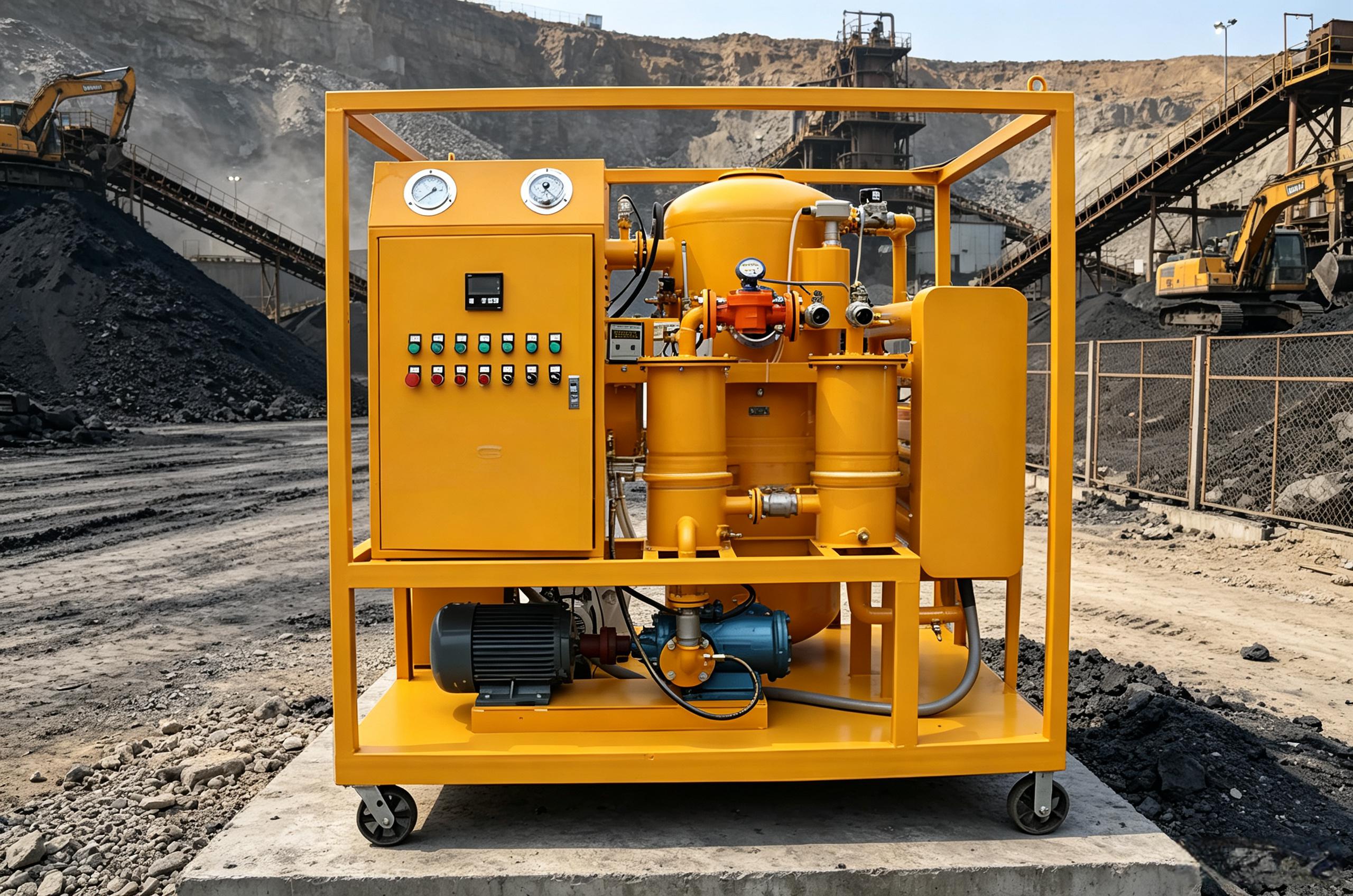
Why Is Coalescing Water Removal More Stable Than Vacuum Dehydration?


