E-mail seo@sino-purification.com

Time:2026-04-14 13:12:29 Reading volume:
In the world of industrial maintenance, the terms "filtration" and "purification" are often used interchangeably. However, mistaking one for the other can be costly. While both processes aim to clean industrial fluids—such as lube, hydraulic, or transformer oils—they operate on entirely different levels of physics and chemistry.
Understanding the distinction is the key to extending equipment life and reducing expensive oil replacement cycles.
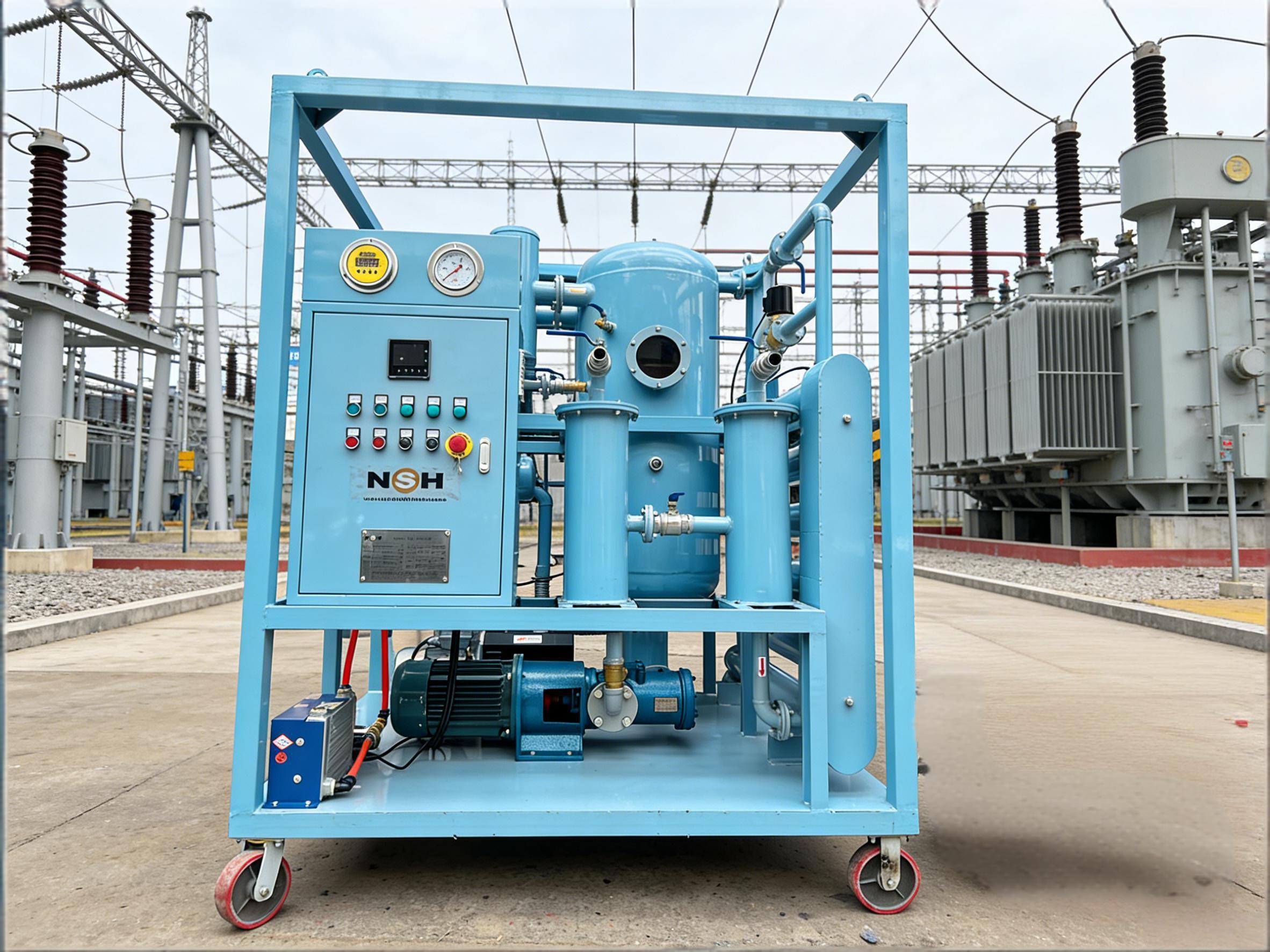
Filtration is a mechanical process designed to remove solid contaminants. It is your system’s first line of defense against abrasive wear.
Filtration relies on a physical barrier (media). As oil passes through materials such as cellulose, synthetic fibers, or wire mesh, particles larger than the filter's "micron rating" are trapped.
Targets: Dirt, metal shavings, sand, and soot.
The Goal: To prevent "sandpaper" action inside bearings and gears.
Limitations: Filtration is "liquid-blind." It cannot remove water, dissolved gases, or acids that have bonded with the oil at a molecular level.
Total purification is a comprehensive reclamation process. It goes beyond the surface to address the "invisible" threats that degrade oil quality over time.
Purification uses advanced technologies—such as Vacuum Dehydration or Centrifugal Force—to separate contaminants that are physically mixed with the oil.
Targets: Free and dissolved water, entrained air, volatile gases, and oxidation by-products (sludge and varnish).
The Goal: To restore the oil's chemical properties, such as its dielectric strength and viscosity, effectively returning the fluid to a "like-new" state.
Advanced Recovery: High-end purifiers can also utilize ion-exchange resins to neutralize acidity (TAN), which prevents internal corrosion.
| Feature | Mechanical Filtration | Total Purification |
| Primary Focus | Solid Particulates | Water, Gases, Acids, and Solids |
| Contaminant State | Suspended Solids | Emulsified and Dissolved Fluids |
| Oil Longevity | Slows down wear | Resets the oil's "life clock." |
| Common Use Case | Engines, basic hydraulics | Transformers, turbines, high-precision systems |
| Key Benefit | Low cost, easy installation | Eliminates oil changes, protects internals |
Your primary concern is protecting hardware from particle-induced wear. If your environment is dry and the oil is changed frequently according to a set schedule, high-quality filtration is often sufficient for standard machinery.
You are managing critical infrastructure where moisture and oxidation are the enemies. For example, in power transformers, even a tiny amount of dissolved water can lead to a catastrophic breakdown of insulation. In these cases, filtration alone is a "band-aid"; total purification is the cure.
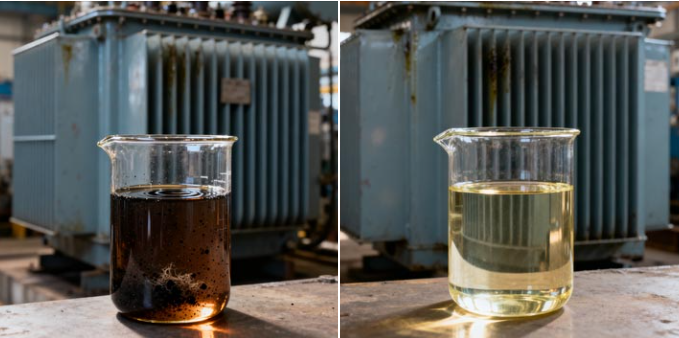
Filtration keeps oil clean; Purification keeps oil healthy. To maximize ROI, many modern industrial plants employ a "staged" approach: using inline filtration for daily operation and periodic total purification to ensure the oil never needs to be fully replaced. This sustainable approach reduces waste, slashes maintenance costs, and ensures your machinery runs at peak efficiency for decades.
Explosion-Proof Oil Purifier Selection Guide: Which Working Conditions Require One?
How to Prevent Rapid Lubricating Oil Degradation in Steel Mills
Can an Oil Purifier Remove Acid? Understanding the Limits of Oil Regeneration
Chemical Industry Oil Purification: How to Choose the Right Oil Purifier
Why Is Coalescing Water Removal More Stable Than Vacuum Dehydration?


