E-mail seo@sino-purification.com

Time:2026-03-24 11:16:13 Reading volume:
Vacuum pump oil emulsification is a common problem during the operation of vacuum oil purifiers, especially when processing oil with high moisture content.
During the vacuum dehydration process, water vapor, gases, and impurities from the oil may enter the vacuum pump chamber and mix with the vacuum pump oil, causing the oil to become milky or cloudy.
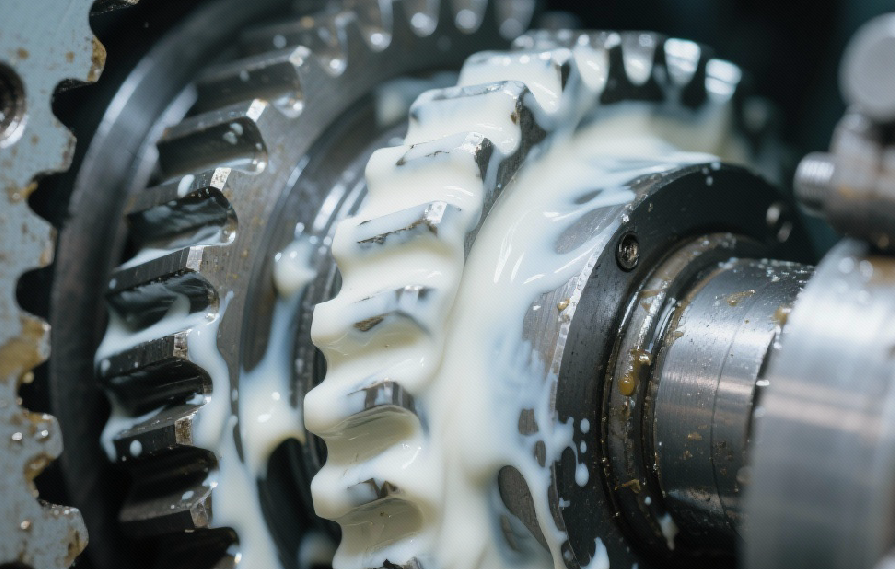
Once emulsification occurs, the lubrication performance, sealing ability, and ultimate vacuum level of the pump will drop significantly, which may lead to:
Insufficient vacuum degree
Increased pump temperature
Accelerated wear of the vacuum pump
Damage to internal pump components
Therefore, timely treatment and proper preventive measures are essential for stable operation of the oil filtration system.
If the oil in the sight glass becomes white, cloudy, or milky, stop the equipment immediately.
Steps:
Shut down the oil purifier
Open the drain valve of the vacuum pump
Completely discharge the emulsified oil
Do not continue running the pump with contaminated oil
Running with emulsified oil may cause serious damage to the pump.
Emulsified oil tends to stick to internal parts, so the pump must be flushed before adding new oil.
Cleaning method:
Add a small amount of new vacuum pump oil or flushing oil
Start the pump for a few seconds
Stop and drain the oil
Repeat 2–3 times until the discharged oil becomes clear
This step prevents the new oil from being contaminated.
Use qualified vacuum pump oil only.
Oil level should be kept between:
1/2 – 3/4 of the sight glass
Too low → poor sealing
Too high → overheating
Correct oil level ensures stable vacuum performance.
If emulsification is not serious, the gas ballast valve can help remove moisture.
Function of gas ballast:
Reduces water vapor condensation inside the pump
Allows moisture to be discharged with exhaust gas
Prevents water from mixing with pump oil
Notes:
Opening gas ballast will slightly reduce vacuum level
Close it after the oil becomes clear
Gas ballast should always be used when processing high-moisture oil.
Vacuum oil purifiers remove water by heating and vacuum evaporation.
If too much water enters the vacuum pump, emulsification will occur.
Check the following parts:
Heater temperature
Vacuum tank temperature
Condenser performance
Cooling system
Oil flow rate
Recommended adjustments:
Increase oil temperature to 50–65°C
Reduce inlet flow speed
Increase circulation times
Ensure condenser is working properly
Good dehydration reduces load on the vacuum pump.
| Cause | Inspection | Solution |
|---|---|---|
| Worn seals | Check shaft seal and joints | replace seals |
| High moisture oil | Check initial oil condition | Reduce flow rate |
| Condenser failure | Check fan/cooling water | Clean or repair |
| Filter damage | Inspect filter elements | replace filters |
| Gas ballast closed | During high water operation | Open gas ballast |
Regular inspection helps avoid repeated emulsification.
Check oil condition before every operation
Use professional vacuum pump oil only
Do not mix different oils
Always heat oil before vacuum dehydration
Open gas ballast when processing wet oil
Run the pump without load before shutdown
Recommended procedure:
Before stopping the oil purifier, keep the vacuum pump running with gas ballast open for 10–20 minutes to remove moisture inside the pump.
This greatly extends pump life.
Conclusion
Vacuum pump oil emulsification is a common problem in vacuum oil purifier systems, primarily caused by excessive moisture entering the pump.
Proper operation, efficient dehydration, and regular maintenance can effectively prevent emulsification, ensure stable vacuum performance, and prolong the equipment's service life.
Correct handling of vacuum pump oil is essential for the reliable operation of oil filtration machines, transformer oil purifiers, turbine oil purifiers, and hydraulic oil purification systems.
Explosion-Proof Oil Purifier Selection Guide: Which Working Conditions Require One?
How to Prevent Rapid Lubricating Oil Degradation in Steel Mills
Can an Oil Purifier Remove Acid? Understanding the Limits of Oil Regeneration
Chemical Industry Oil Purification: How to Choose the Right Oil Purifier
Why Is Coalescing Water Removal More Stable Than Vacuum Dehydration?


