E-mail seo@sino-purification.com

Time:2026-02-28 14:44:11 Reading volume:
Essential Requirements for Operating a Vacuum Dehydrated Oil Purifier: A Professional Guide
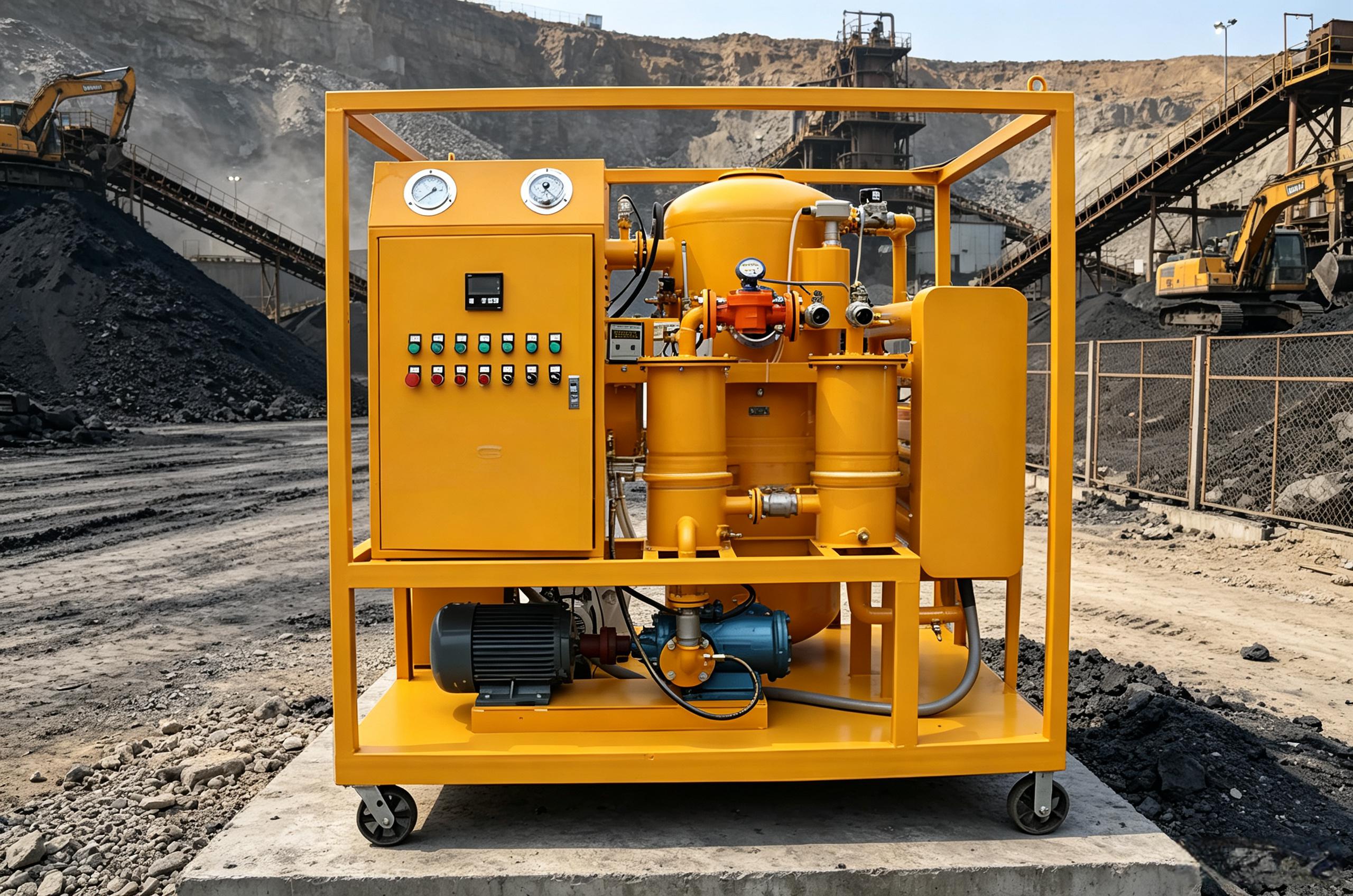
Operating a vacuum dehydrated oil purifier is a sophisticated process that requires more than just "plug and play." To achieve optimal ISO cleanliness codes and moisture levels (down to <50 ppm), specific environmental and mechanical prerequisites must be met.
Failure to follow these requirements can lead to oil oxidation, equipment cavitation, or electrical failure. Below are the mandatory operational standards.
Before commissioning an oil purification project, the installation site must be vetted for safety and stability.
Foundation Stability: The purifier must sit on a level, vibration-free surface. This ensures that internal float valves and oil level sensors in the vacuum chamber provide accurate readings to prevent overflow.
Electrical Compliance: Industrial purifiers typically require 3-phase power ($380V$ or $440V$). Ensure the power supply is stable; voltage fluctuations can cause the magnetic contactors for the heaters to "chatter," leading to premature failure.
Ventilation and Exhaust: Vacuum pumps release air that may contain trace oil mist or volatile gases. The workspace must have active ventilation or a dedicated exhaust line to the outdoors to maintain air quality.
Before the first liter of oil is processed, these mechanical checks are non-negotiable:
Motor Rotation Verification: Briefly "jog" the pump motors to confirm they are rotating in the direction of the arrow. Running an oil pump in reverse can destroy the shaft seals and cause immediate aeration of the oil.
Vacuum Pump Oil Quality: The vacuum pump is the "heart" of the dehydration process. If its own oil is milky or low, the unit will fail to reach the required vacuum pressure ($<-0.085MPa$).
Suction Line Integrity: All intake hoses must be reinforced, non-collapsible vacuum hoses. Even a pinhole leak on the suction side will cause massive foaming in the vacuum chamber.
A vacuum purifier is a precision tool, not a "waste bucket." The input oil must meet these criteria:
Pre-Removal of Free Water: Vacuum dehydration is designed to remove dissolved and emulsified water. If the oil has a visible layer of "free water" at the bottom of the tank, it should be drained manually first to avoid overwhelming the vacuum system.
Viscosity Matching: Ensure the oil’s viscosity ($cSt$) is within the machine's rated capacity. Processing high-viscosity gear oil in a unit designed for light transformer oil can lead to pump cavitation.
Temperature Optimization: For efficient dehydration, oil should be heated to 50°C – 65°C. Cold oil holds onto moisture more tightly, making the vacuum process significantly less effective.
To protect the machine's heating elements and the oil’s chemical structure, follow the "Pump-Heat-Vacuum" sequence:
Start the Oil Pump First: Never engage heaters in stagnant oil.
Engage Heaters: Reach the target temperature before pulling a vacuum.
Initiate Vacuum: Slowly increase the vacuum level while monitoring for excessive foaming.
The Shutdown Protocol: Turn the heaters off 15 minutes before the pump. This "cool-down" period prevents the heating elements from "cooking" the oil remaining in the heater housing.
| Requirement | Detail |
| Earthing | Must be grounded to prevent static buildup during oil friction. |
| Inlet Strainer | Check and clean the primary mesh to protect the intake pump. |
| Seal Check | Inspect all "O" rings on filter housings for air-tightness. |
| Foam Control | Ensure the anti-foam sensor (if equipped) is clean and functional. |
Following these requirements ensures that your vacuum dehydrated oil purifier operates at peak efficiency while extending the life of both the machine and the industrial oil. Skiping these steps often results in "foaming over" or thermal degradation of the oil.
Explosion-Proof Oil Purifier Selection Guide: Which Working Conditions Require One?
How to Prevent Rapid Lubricating Oil Degradation in Steel Mills
Can an Oil Purifier Remove Acid? Understanding the Limits of Oil Regeneration
Chemical Industry Oil Purification: How to Choose the Right Oil Purifier
Why Is Coalescing Water Removal More Stable Than Vacuum Dehydration?


